IB Schools in Asia are a great choice for both local and expat families as they offer globally recognized curricula, outstanding academics plus a nurturing environment for children. Discover our selection of the best IB Schools in Asia, including reviews, fees, and why families choose them.
Compare IB Schools in Asia
The comparison table highlights the most relevant schools. The full list is available below. Click on column headers to sort.
| School | City | Type | Curriculum | Ages | Tuition |
|---|---|---|---|---|---|
The British International School Abu Dhabi
|
Abu Dhabi | International School | British Curriculum, IB Curriculum | 3–18 | AED 54,204–76,952 |
|
International School of Beijing
|
Beijing | International School | American Curriculum, IB Curriculum | 3–18 | CNY 232,800–333,300 |
|
Dulwich College Shanghai Puxi
|
Puxi | International School | British Curriculum, Chinese Curriculum, IB Curriculum | 2–18 | CNY 141,900–399,750 |
|
The Western International School of Shanghai (WISS)
|
Shanghai | International School | IB Curriculum | 2–17 | CNY 161,975–275,600 |
|
Dulwich College Shanghai Pudong
|
Pudong | International School | British Curriculum, IB Curriculum, IB Diploma Programme | 2–18 | CNY 274,000–399,748 |
|
International School Ho Chi Minh City
|
Ho Chi Minh City | International School | IB Curriculum | 2–18 | VND 240,900,000–871,300,000 |
|
Hangzhou International School (HIS)
|
Hangzhou | International School | IB Curriculum, IB Diploma Programme, IB Middle Years Programme | 2–18 | Contact school |
|
British International School, Phuket
|
Phuket | Boarding School | British Curriculum, IB Curriculum | 2–18 | THB 452,100–899,900 |
|
British International School (BIS) Hanoi
|
Hanoi | International School | British Curriculum, IB Curriculum | 2–18 | VND 234,400,000–896,900,000 |
|
Branksome Hall Asia
|
Seogwipo City | Boarding School | IB Curriculum, IB Diploma Programme, IB Middle Years Programme | 3–18 | KRW 41,547,200–50,823,200 |
Top IB Schools in Asia
Filters


The Western International School of Shanghai (WISS)
 IB Curriculum
🗣️ English 👥 620 🌍 40+ nations
IB Curriculum
🗣️ English 👥 620 🌍 40+ nations  (5 reviews)
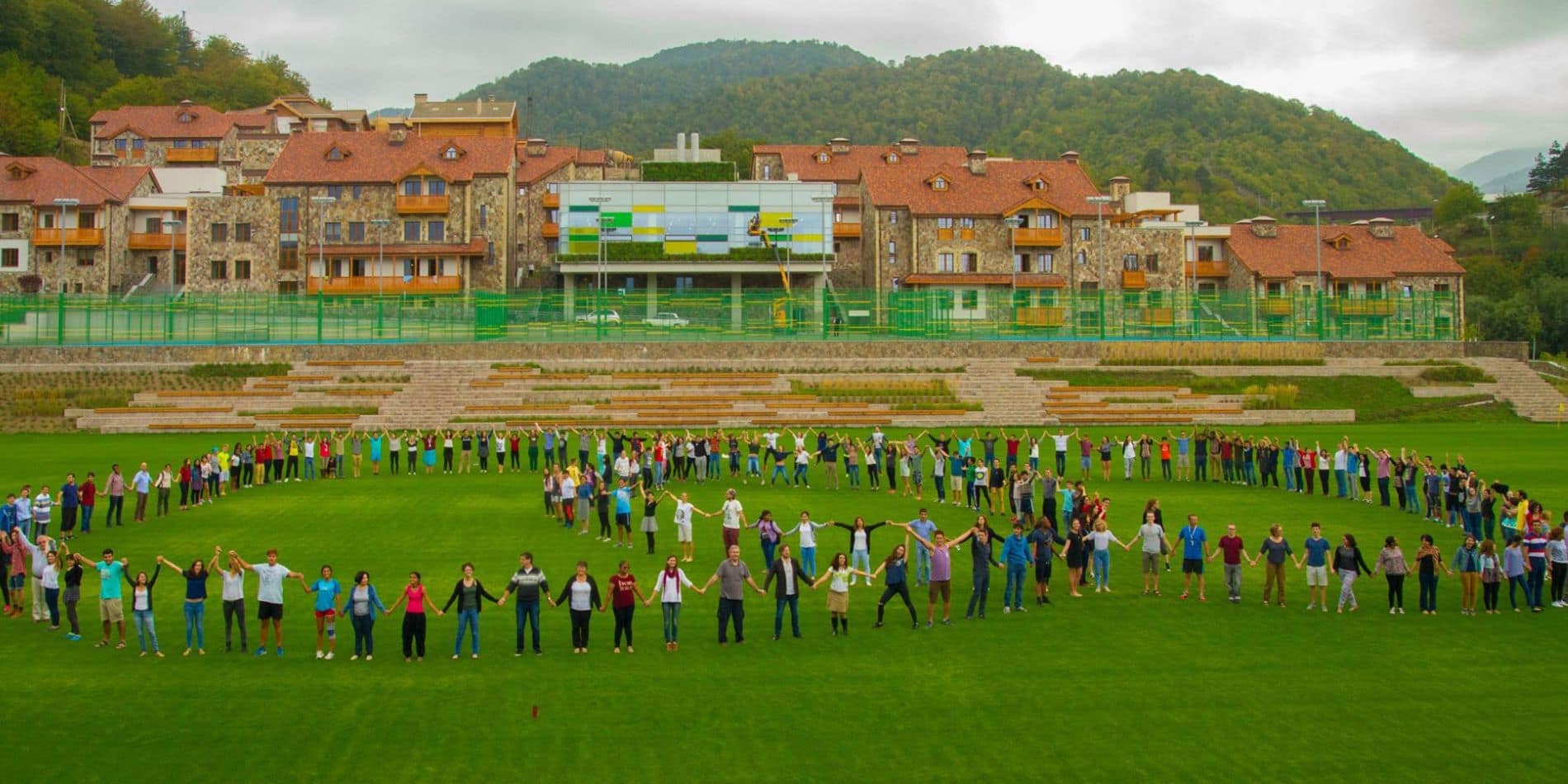
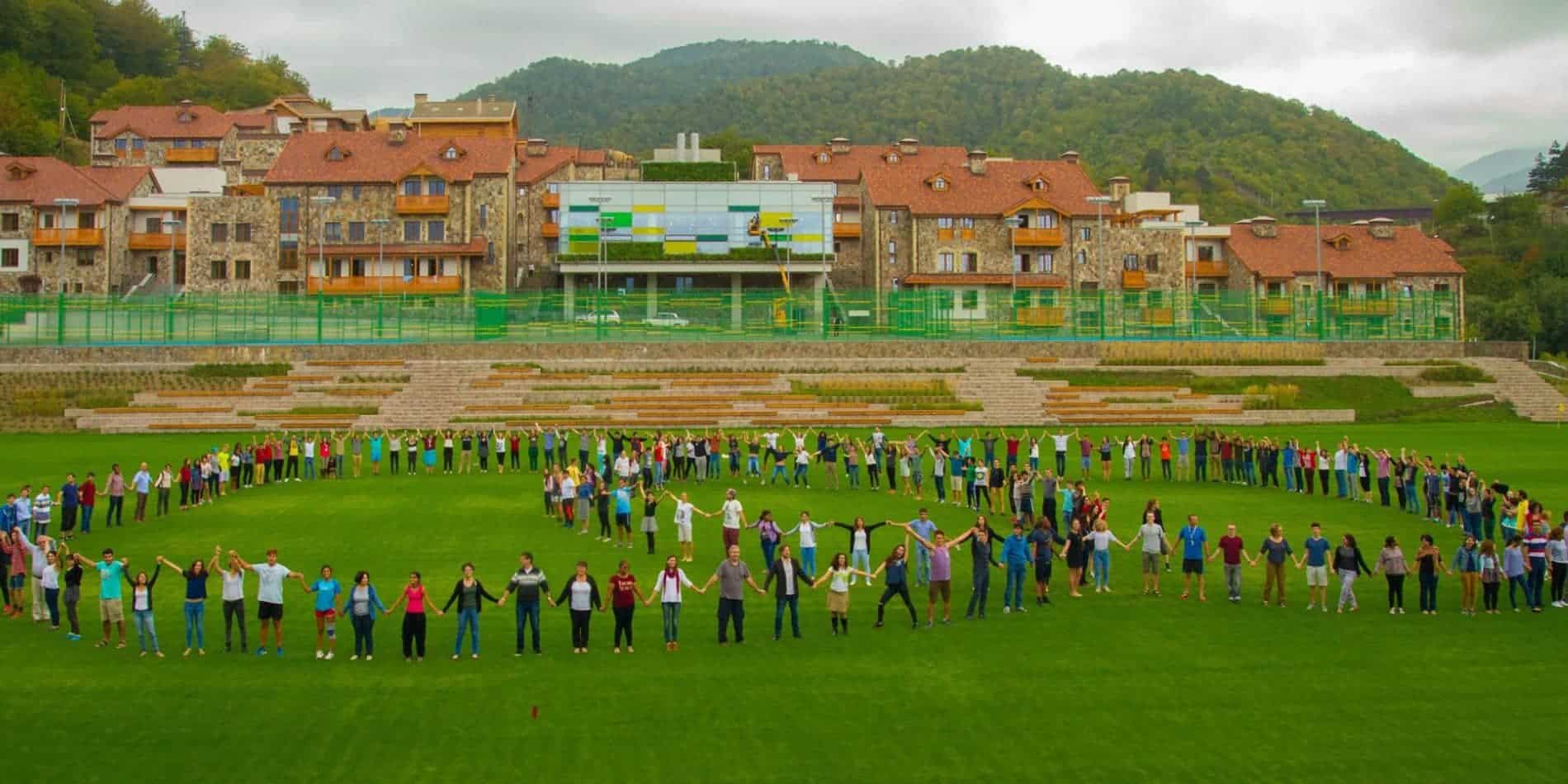


UWC Dilijan Armenia
IB Curriculum
IB Diploma Programme
🗣️ English 👥 220 🌍 80+ nations
(3 reviews)


Taejon Christian International School
 American Curriculum
IB Curriculum
🗣️ English 👥 400 🌍 22+ nations
(1 review)
American Curriculum
IB Curriculum
🗣️ English 👥 400 🌍 22+ nations
(1 review)



Shanghai Community International School
IB Curriculum
🗣️ Chinese🗣️ English 👥 1,800 🌍 60+ nations
(4 reviews)

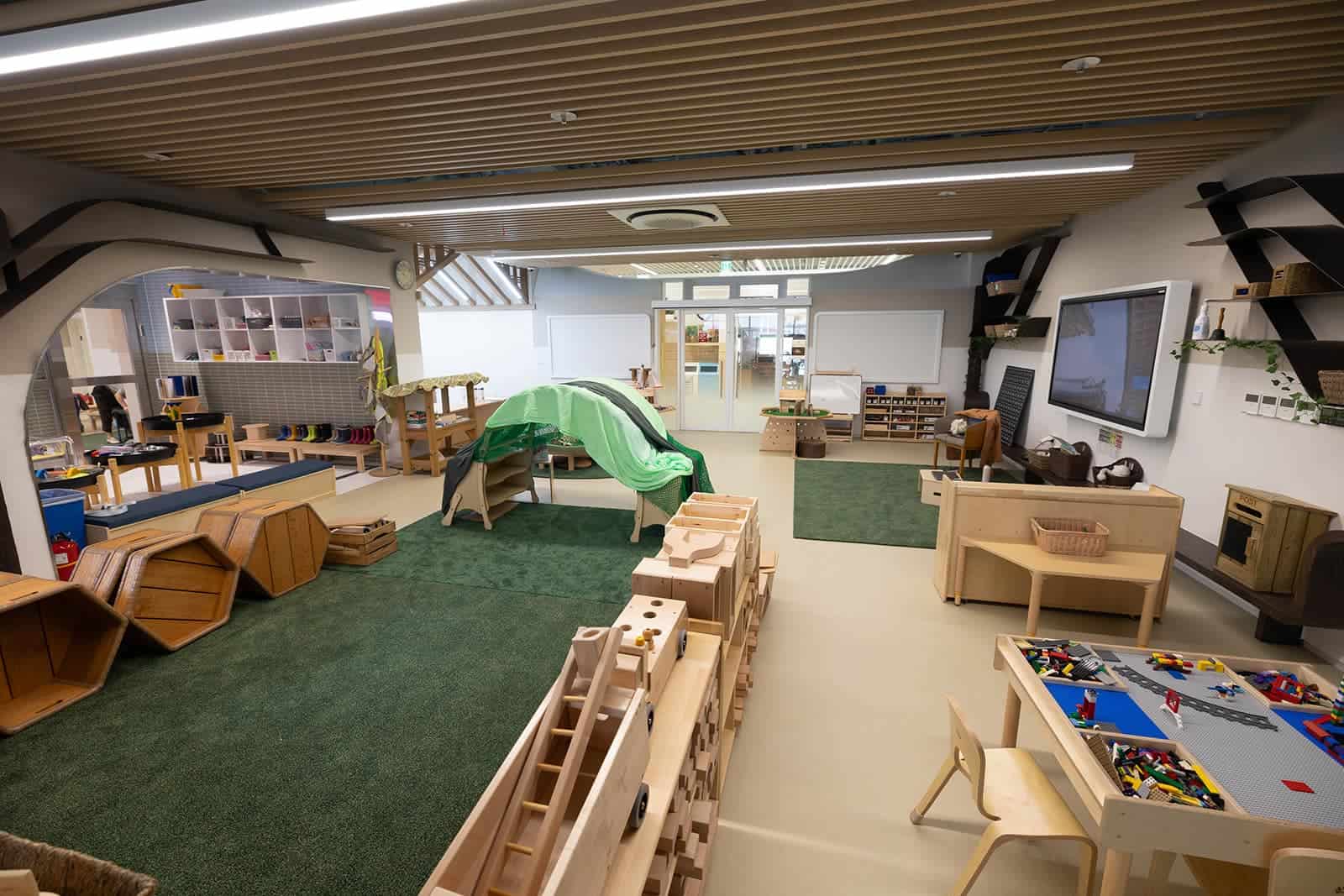
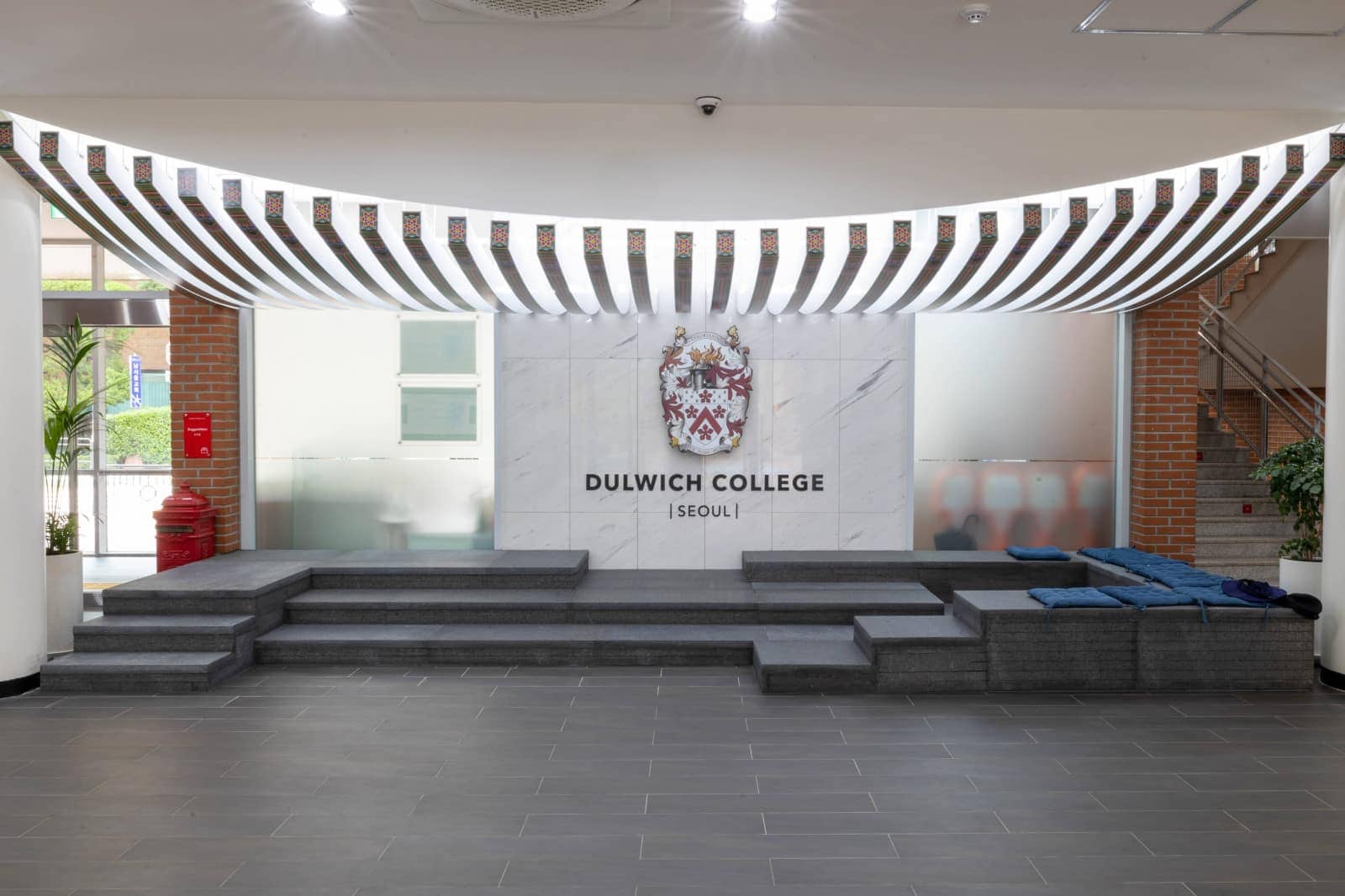
Dulwich College Seoul
 British Curriculum
IB Diploma Programme
🗣️ English 👥 750 🌍 47+ nations
(4 reviews)
British Curriculum
IB Diploma Programme
🗣️ English 👥 750 🌍 47+ nations
(4 reviews)
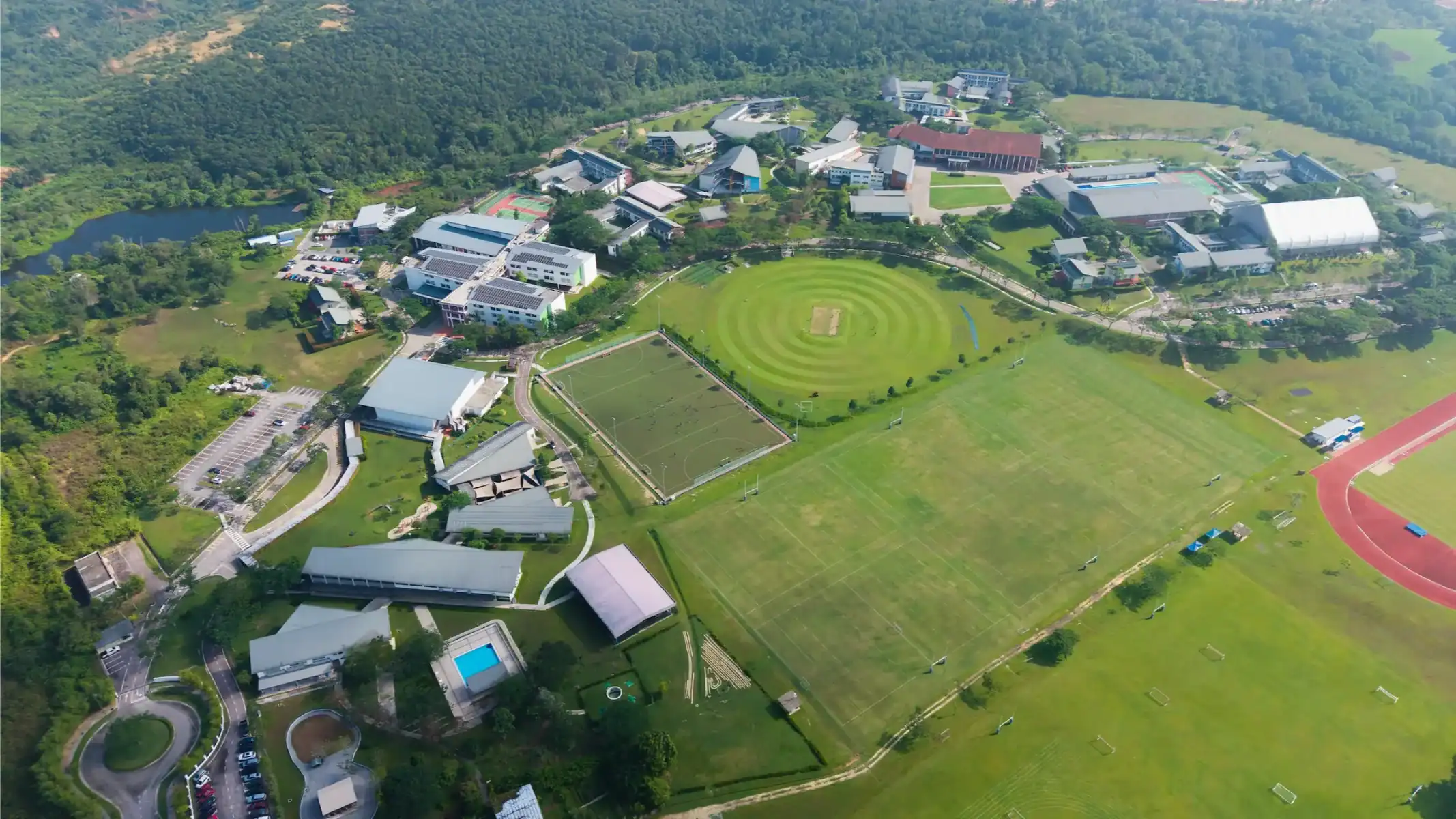
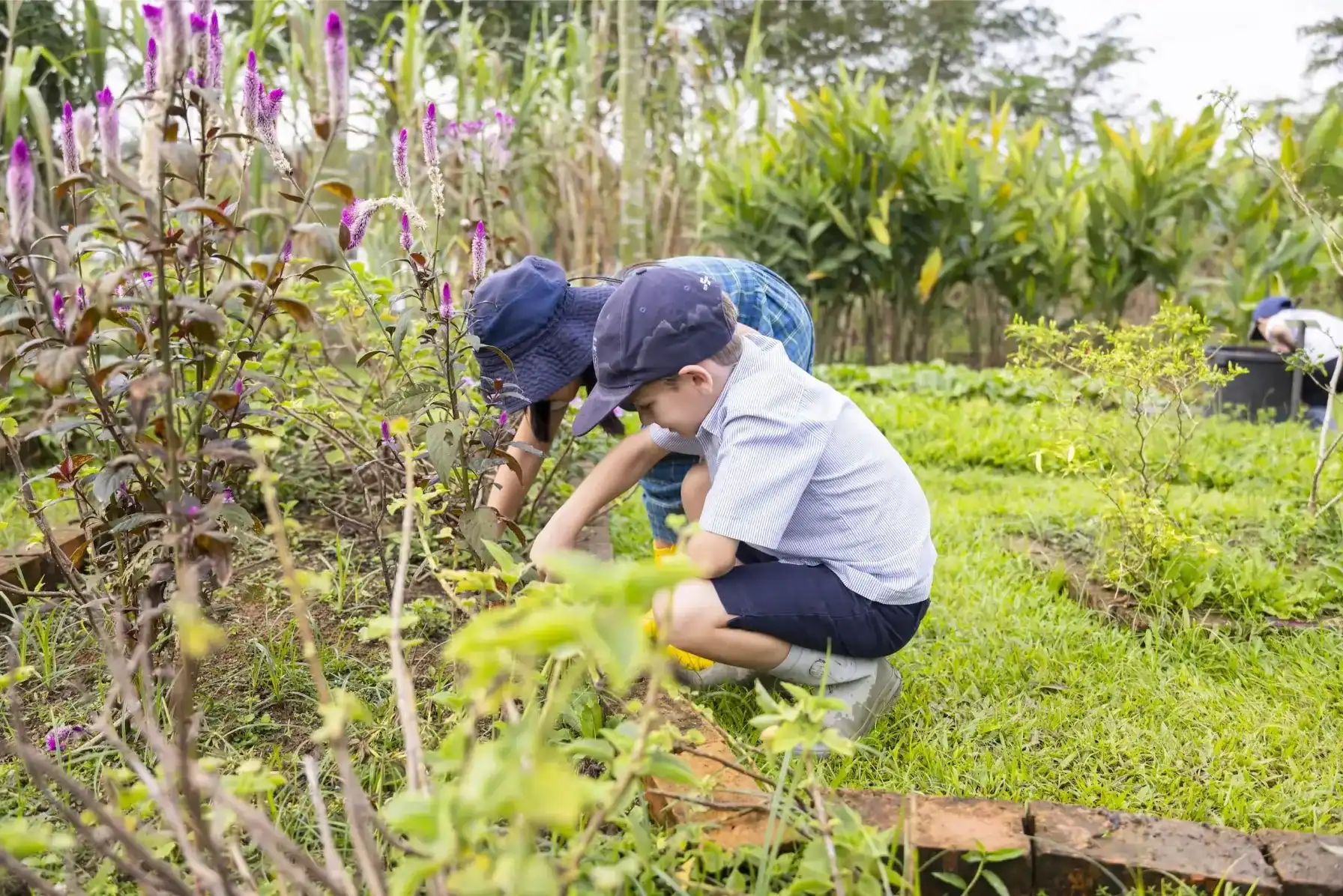

Marlborough College Malaysia
British Curriculum
📚 Cambridge Curriculum
🗣️ English 👥 1,030 🌍 45+ nations 


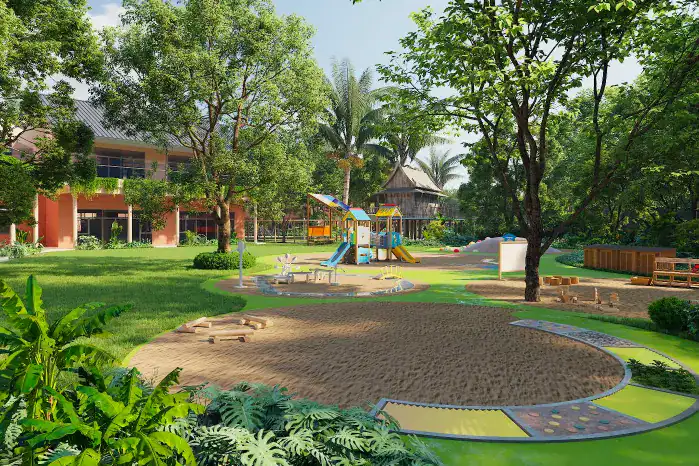
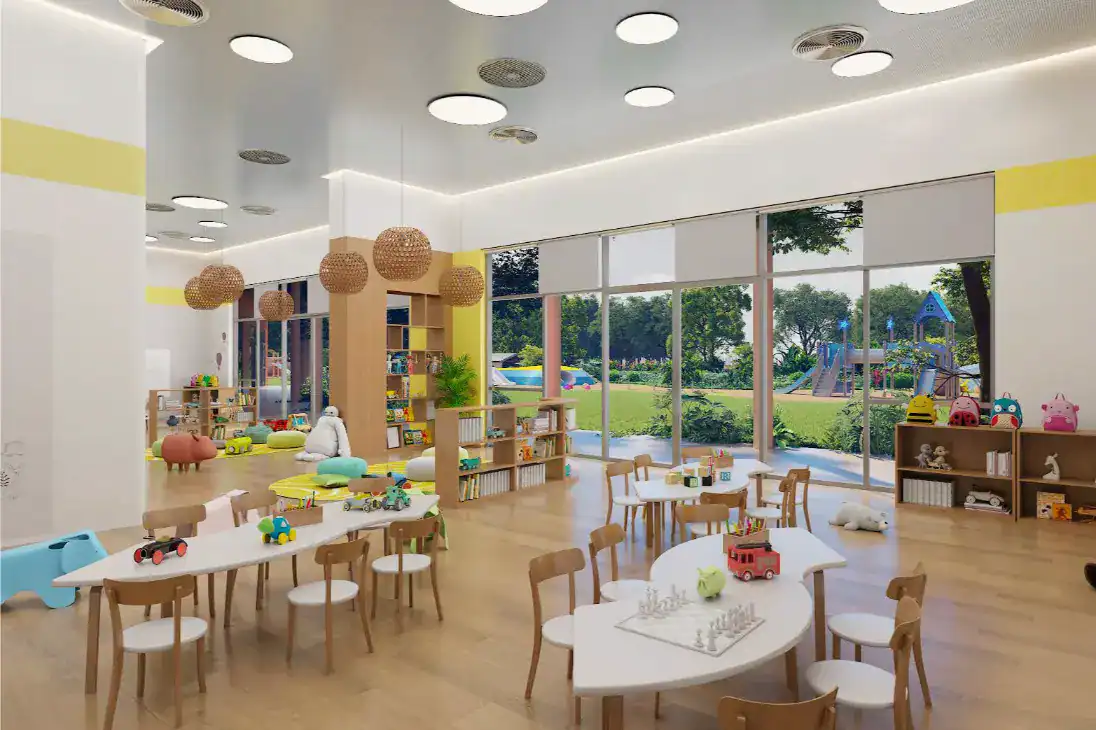
Dulwich College Shanghai Puxi
British Curriculum
📚 Chinese Curriculum
🗣️ Bilingual🗣️ English 👥 400 🌍 30+ nations
(5 reviews)

Dulwich College Bangkok
British Curriculum
IB Curriculum
🗣️ English🗣️ Mandarin 👥 100
(5 reviews)

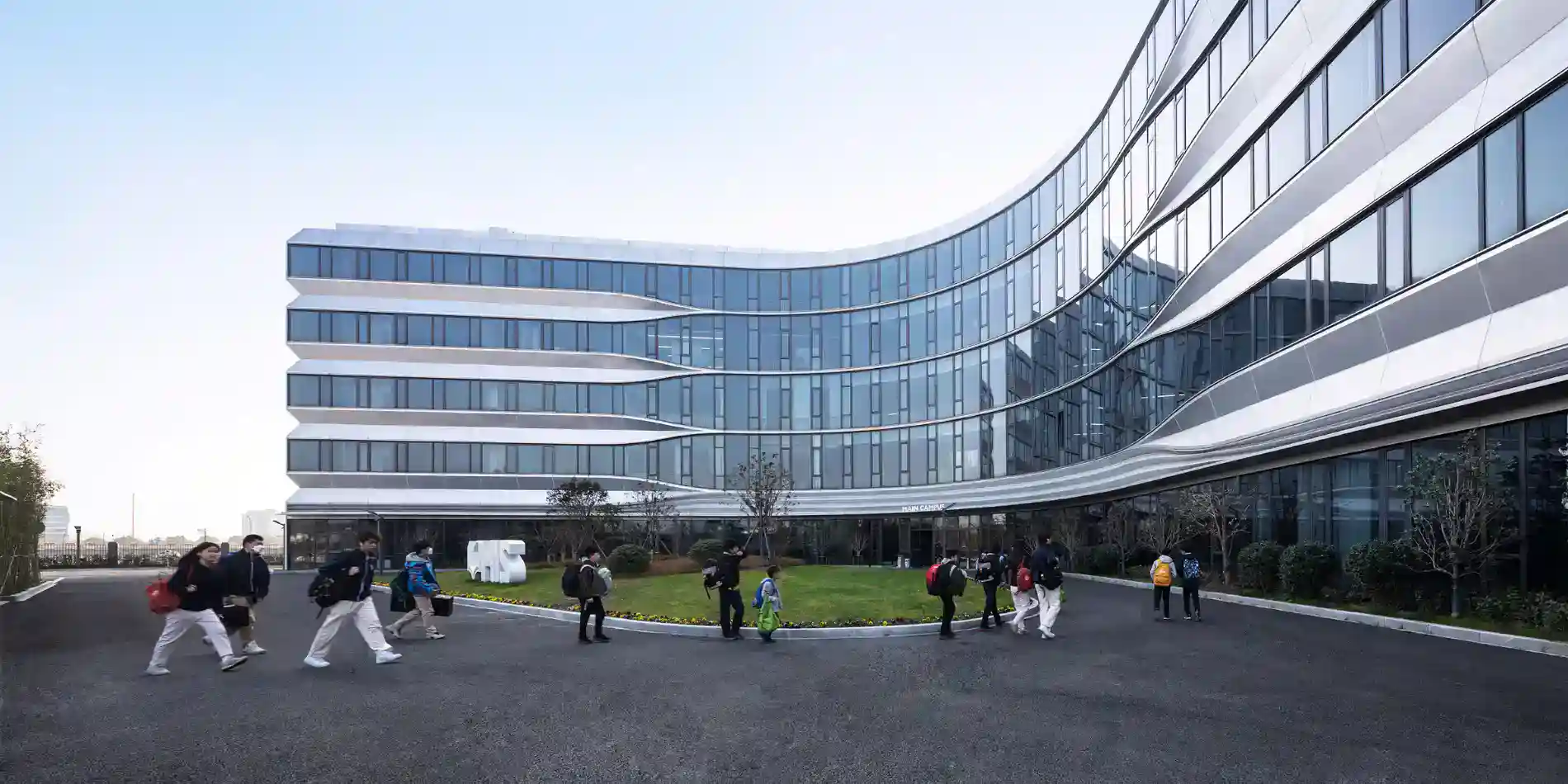
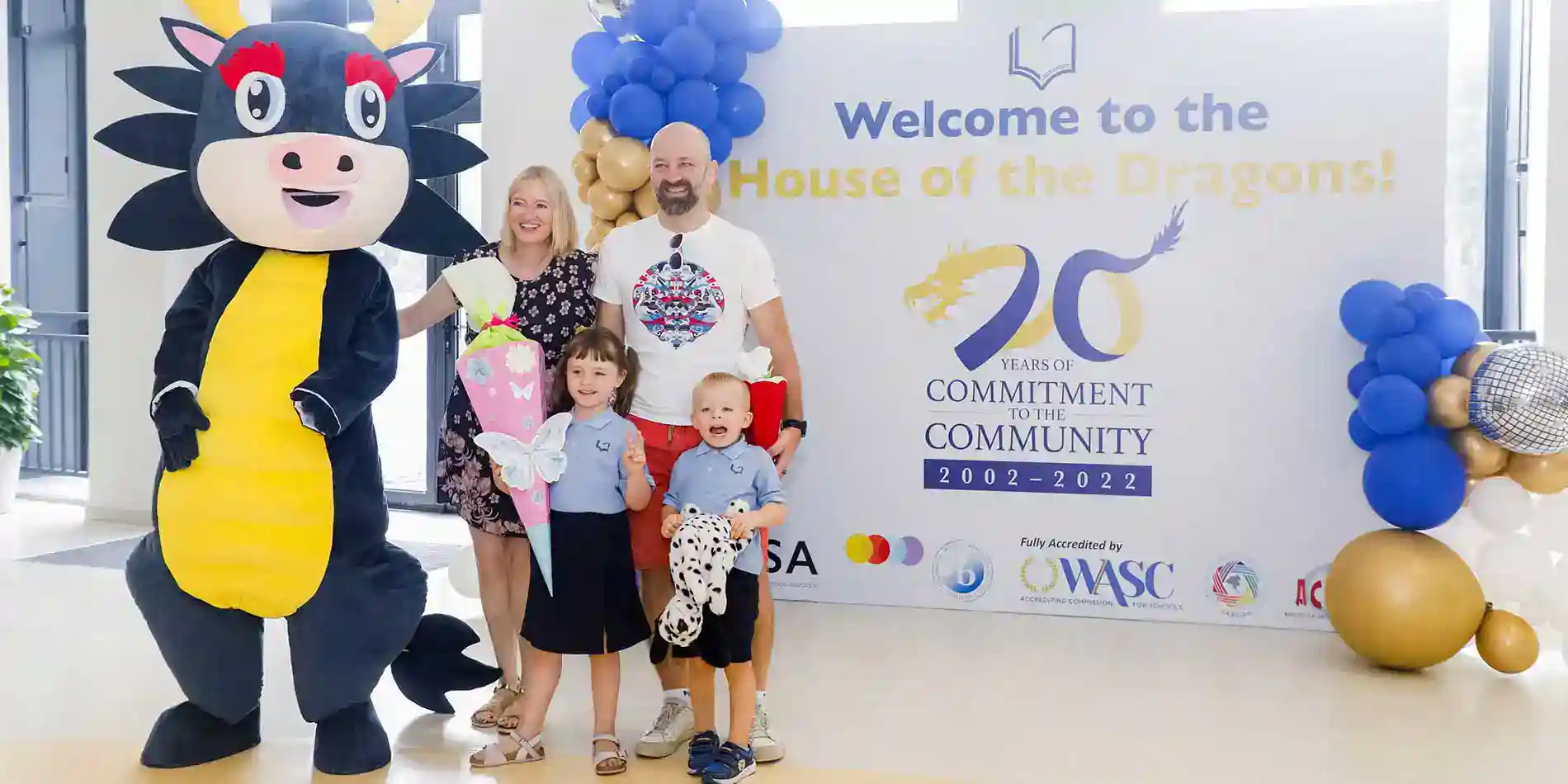

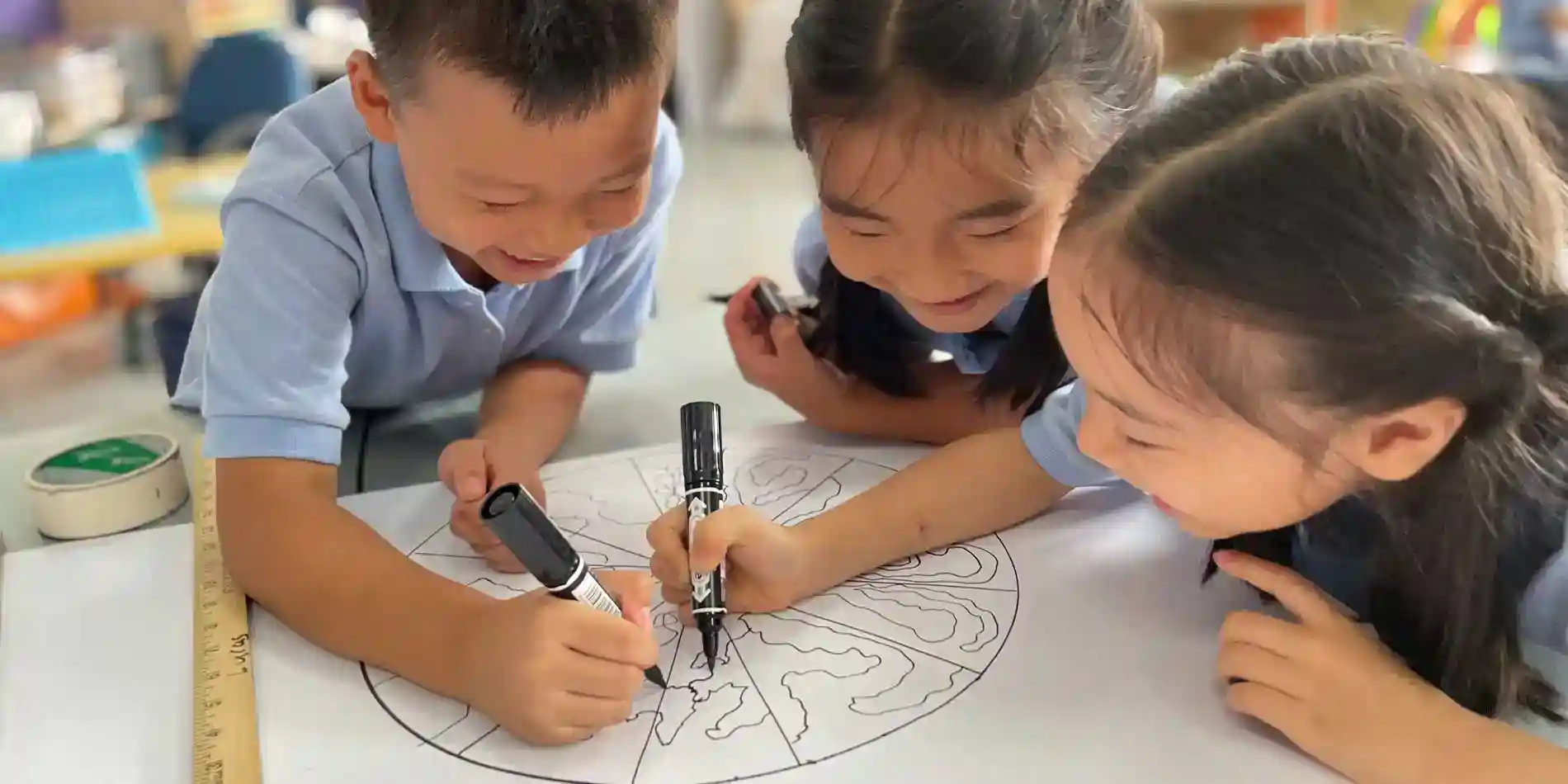
Hangzhou International School (HIS)
IB Curriculum
IB Diploma Programme
🗣️ English 👥 1,000 🌍 50+ nations
(3 reviews)
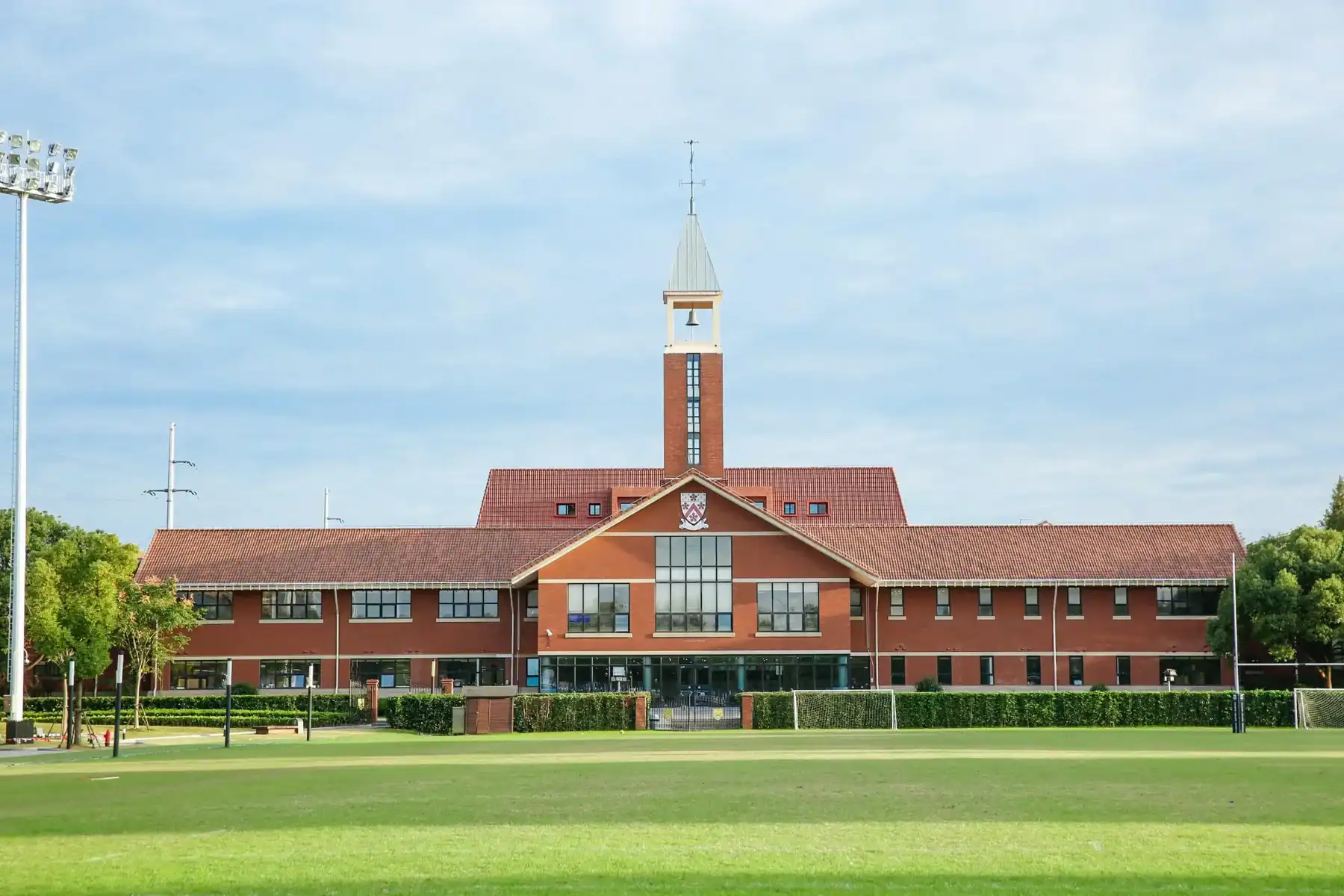
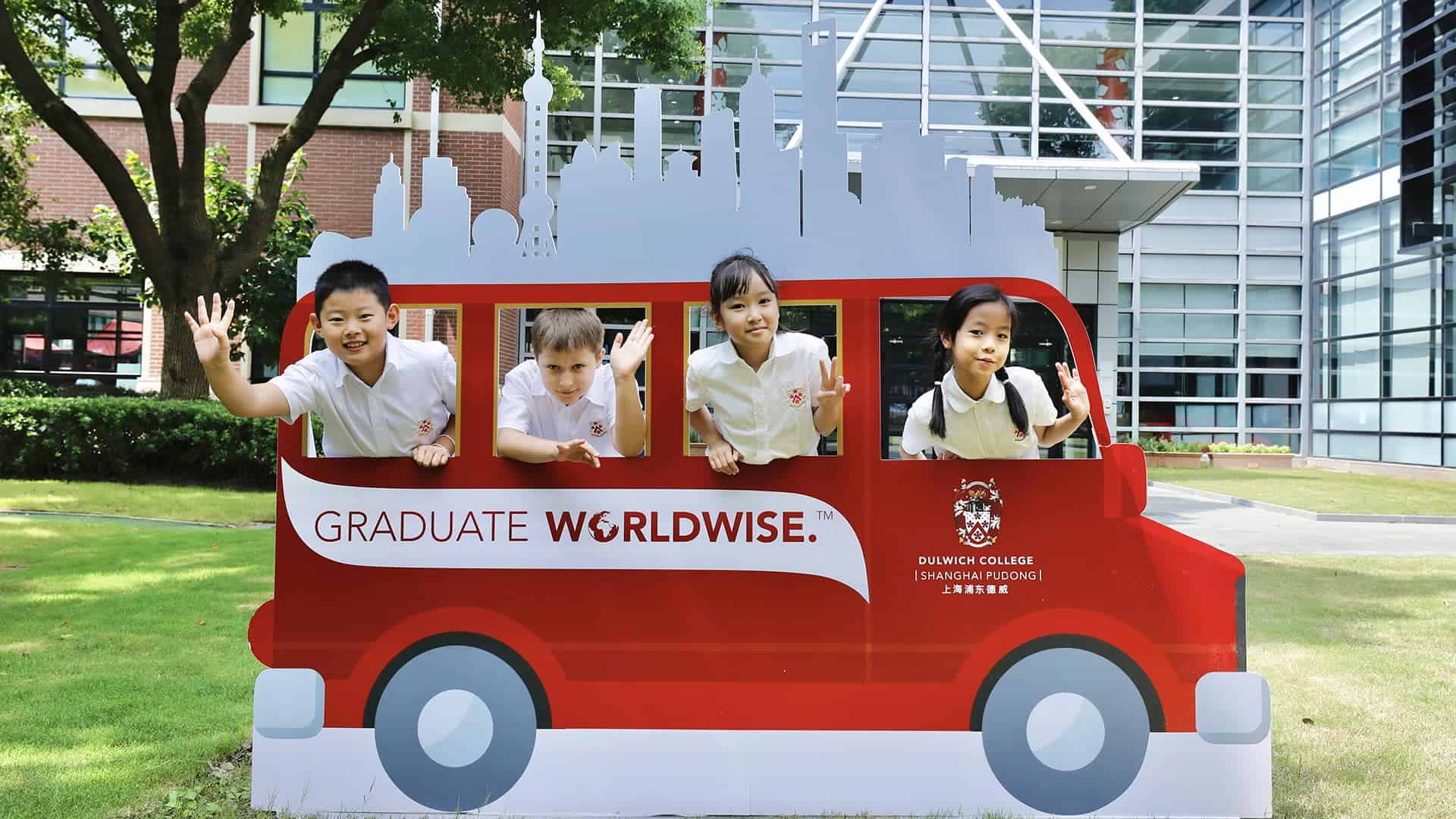

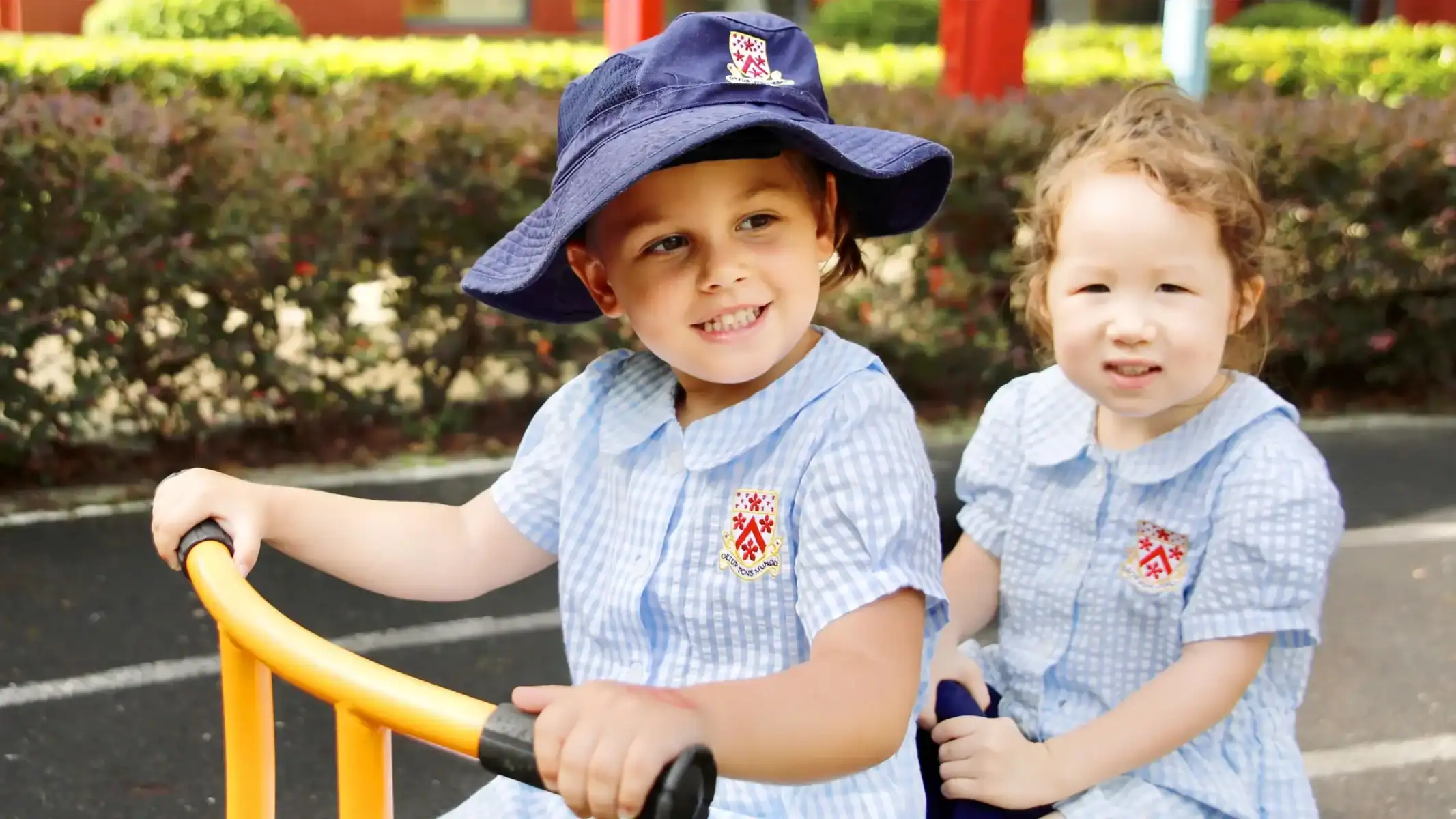
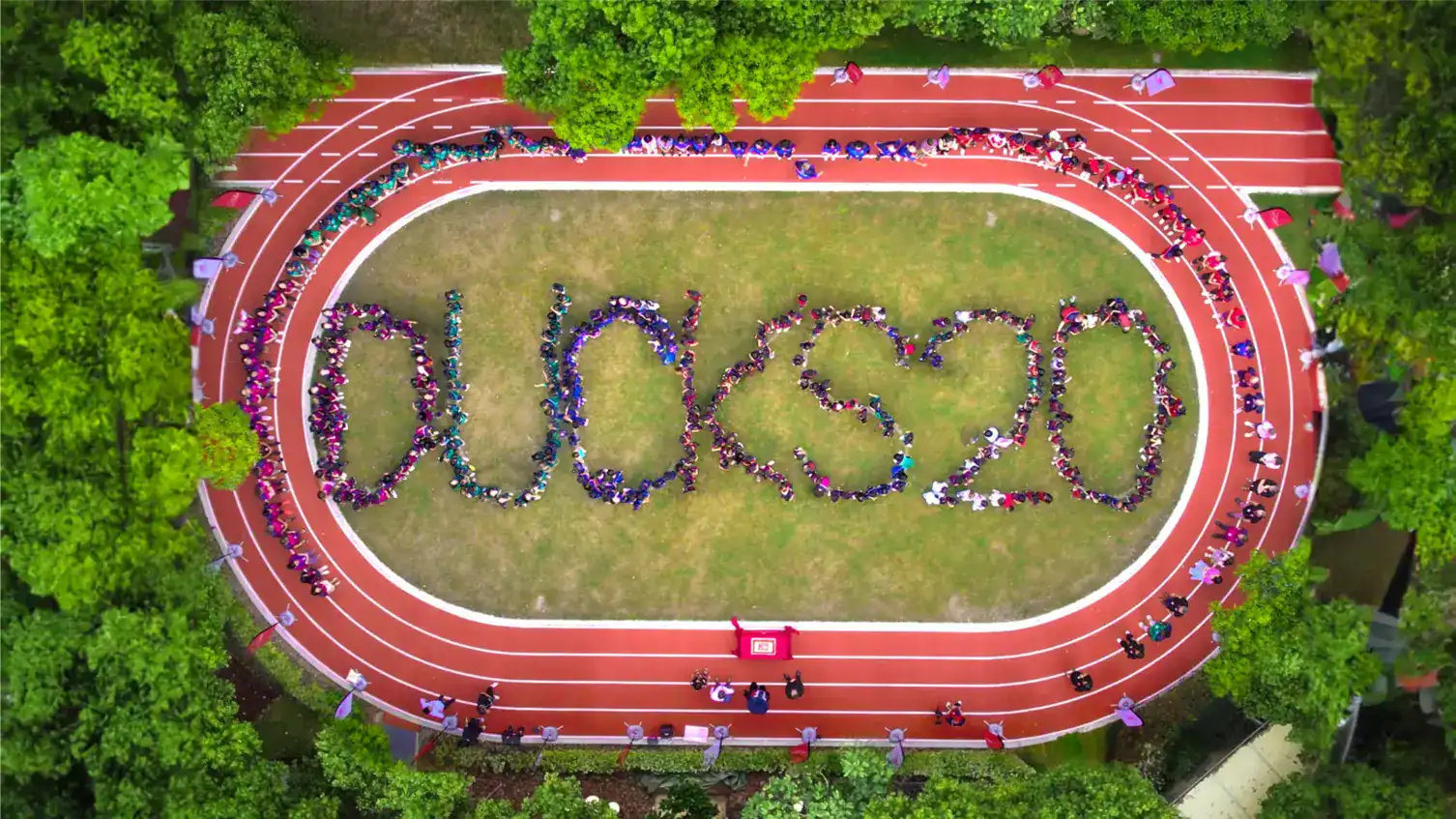
Dulwich College Shanghai Pudong
British Curriculum
IB Curriculum
🗣️ Bilingual🗣️ Chinese 👥 1,600 🌍 40+ nations
(4 reviews)


Regents International School Pattaya
British Curriculum
IB Curriculum
🗣️ English 👥 1,000 🌍 53+ nations
(5 reviews)
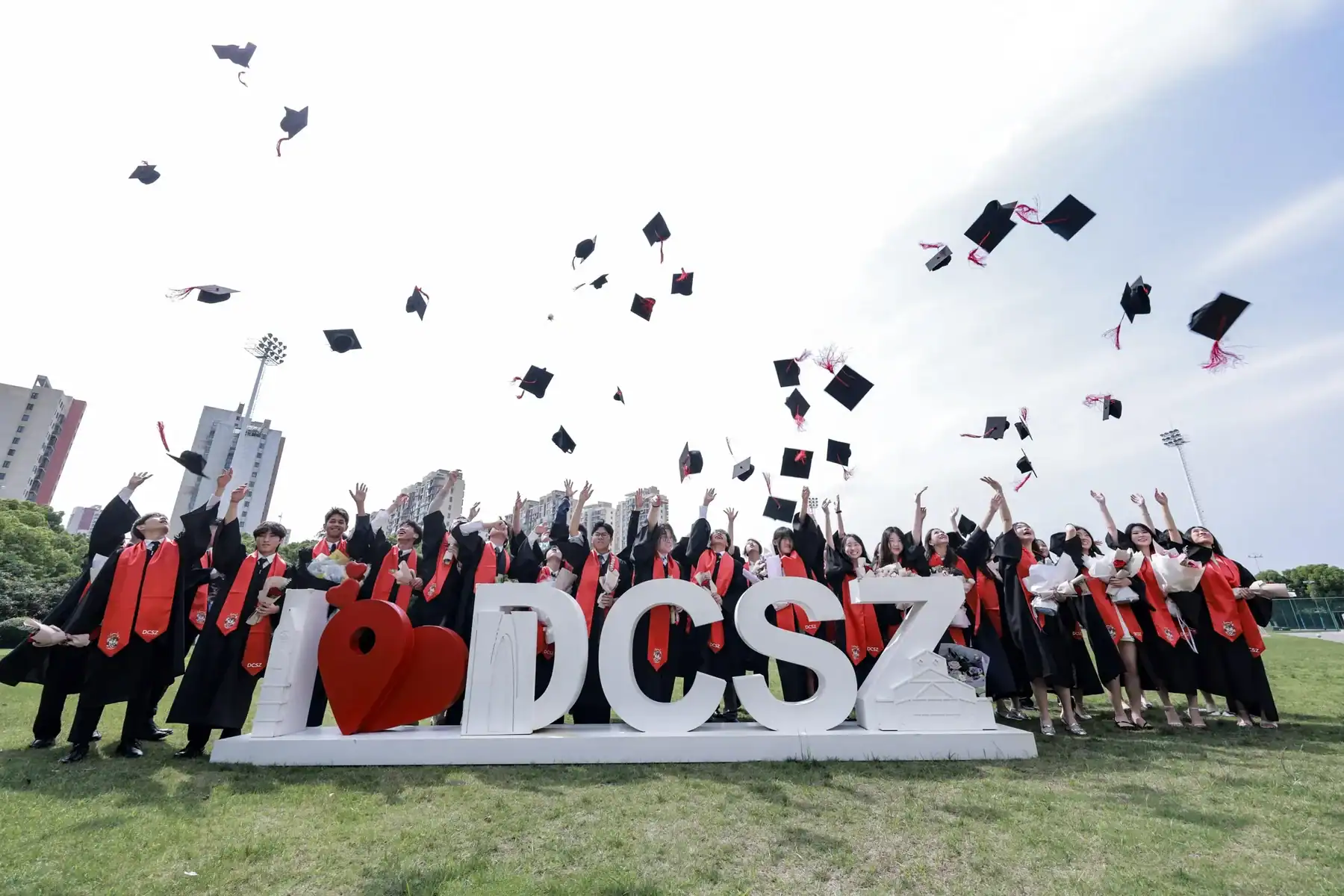

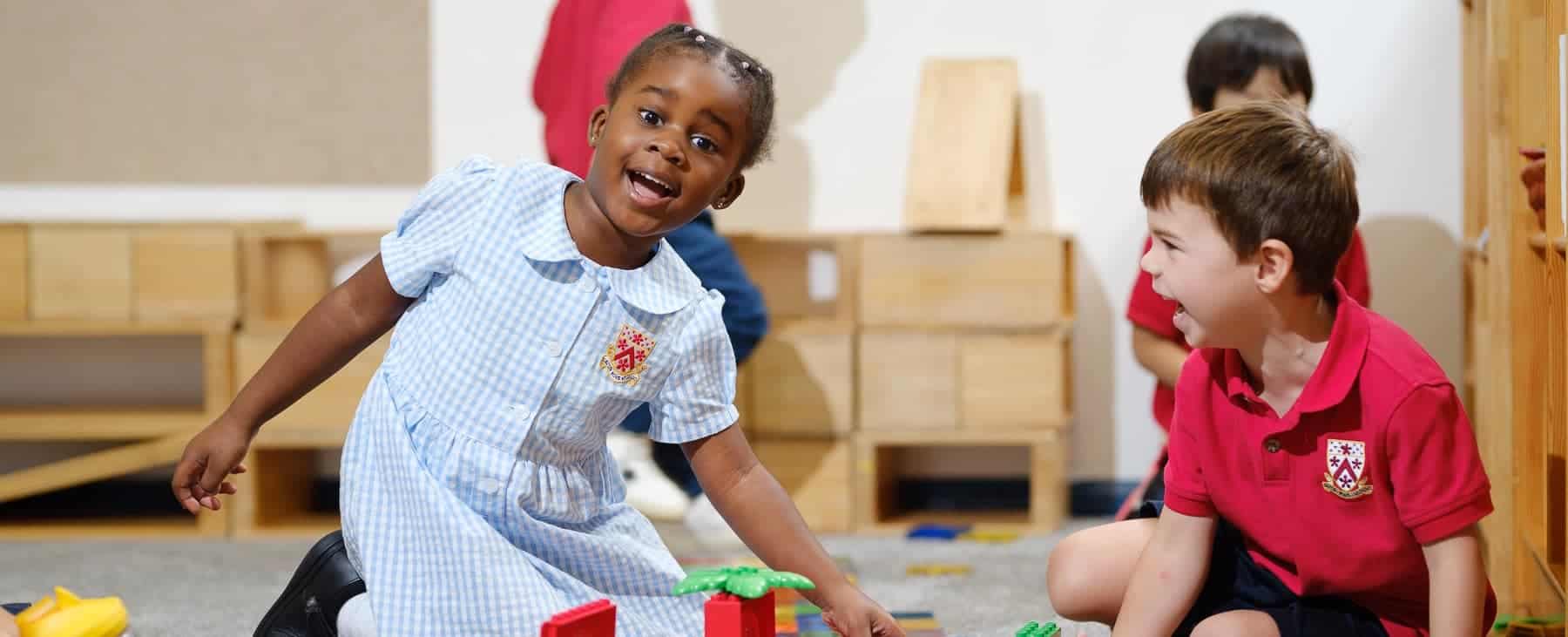
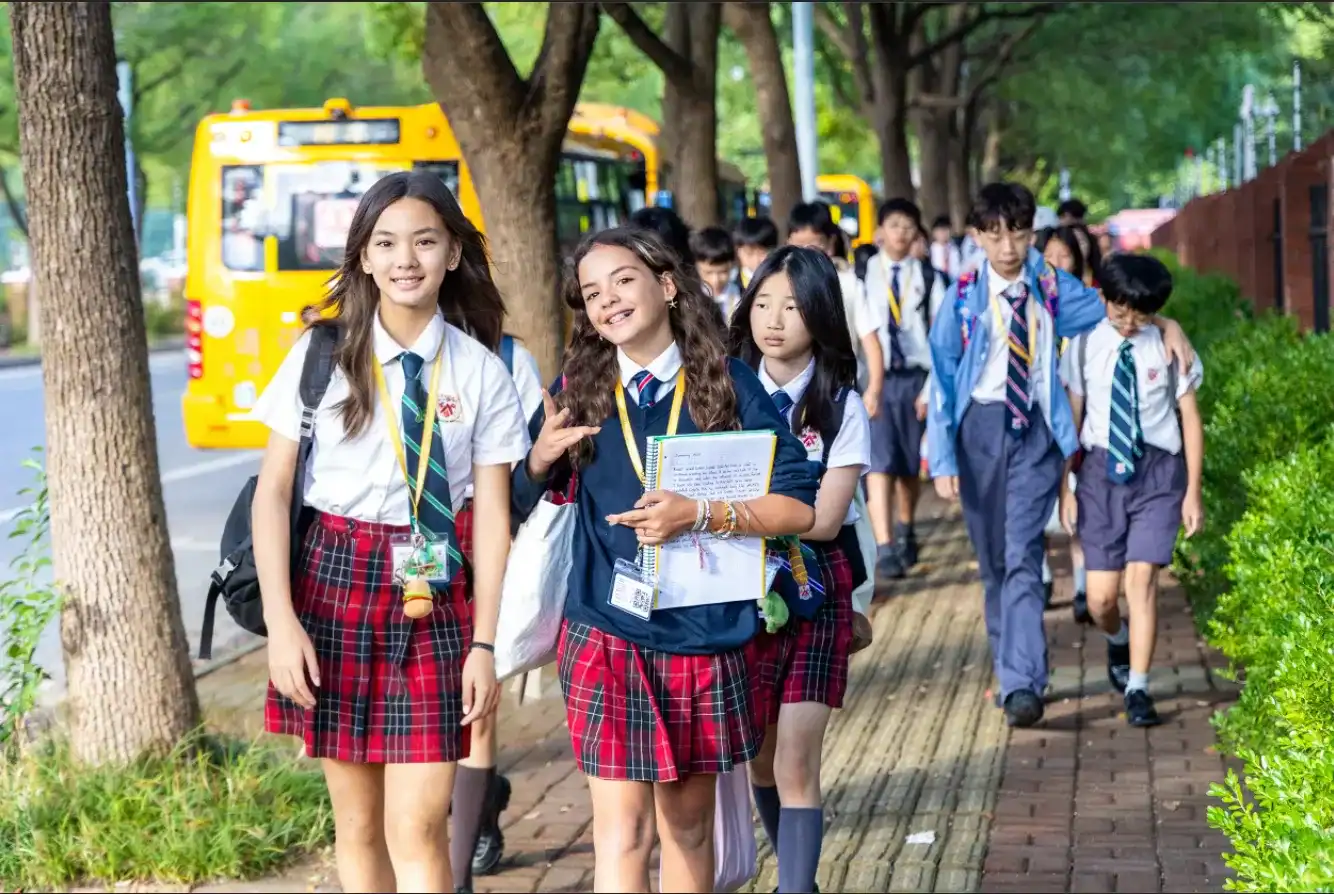
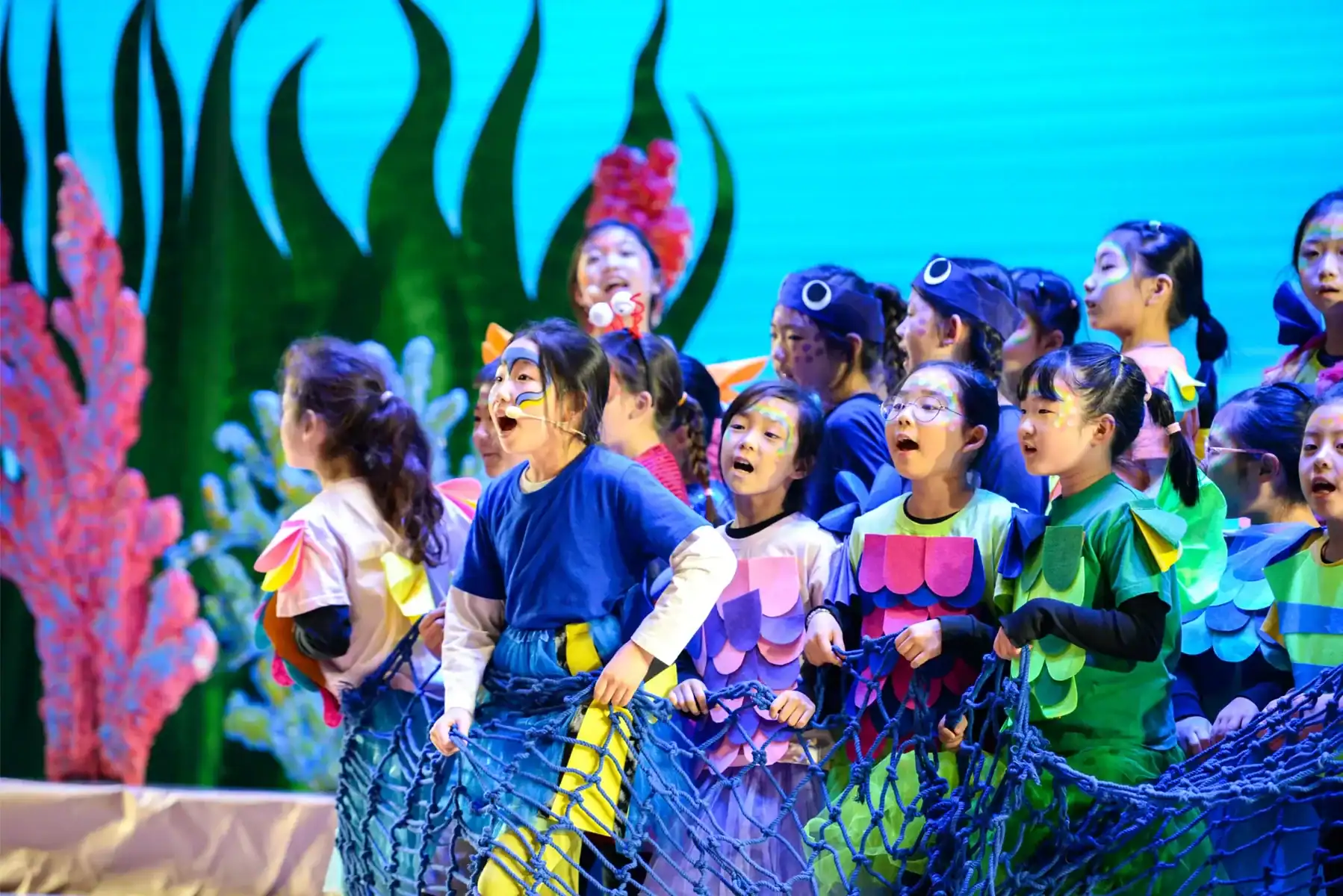
Dulwich College Suzhou
British Curriculum
📚 Career-related Programme
🗣️ English 👥 700 🌍 30+ nations
(5 reviews)

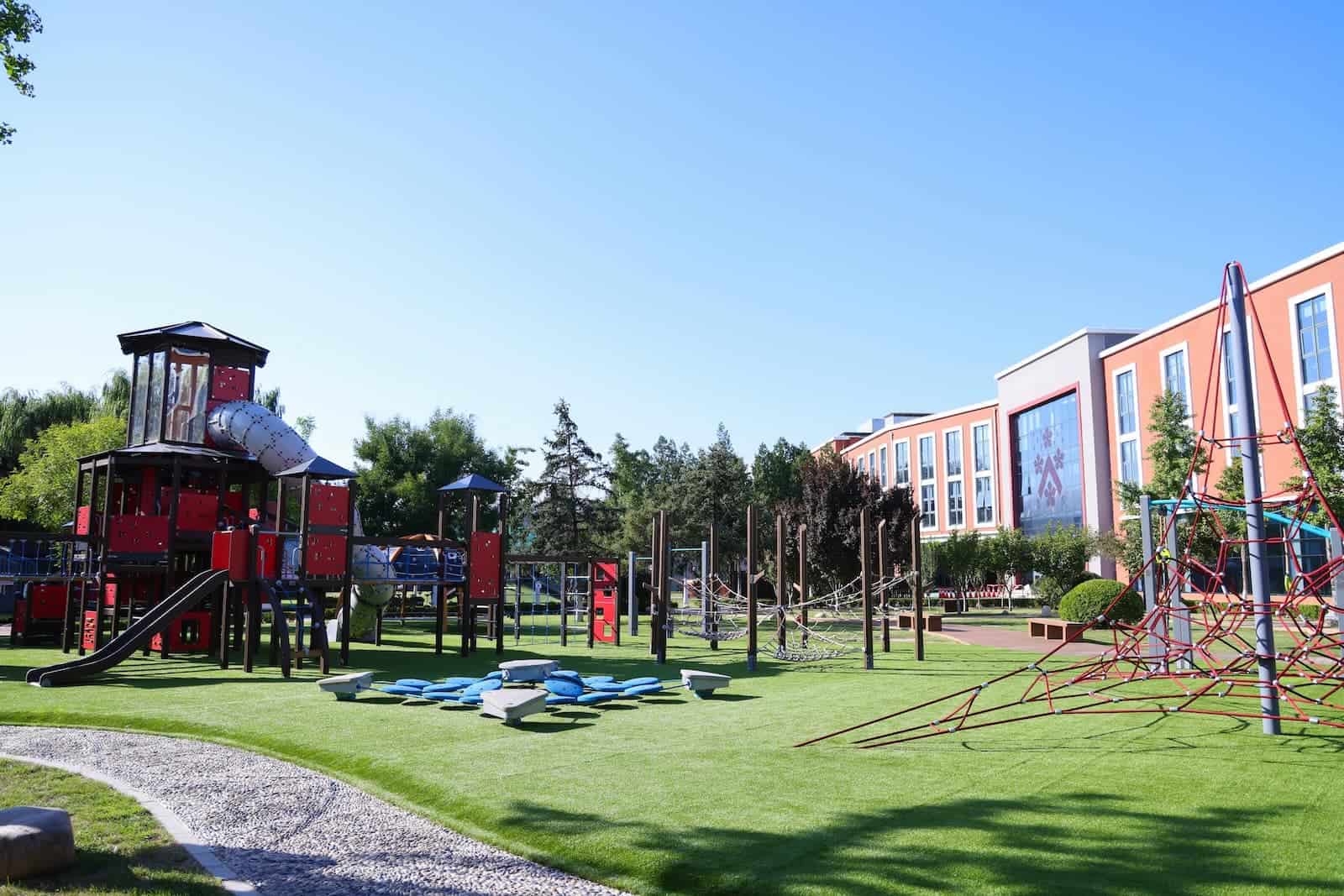
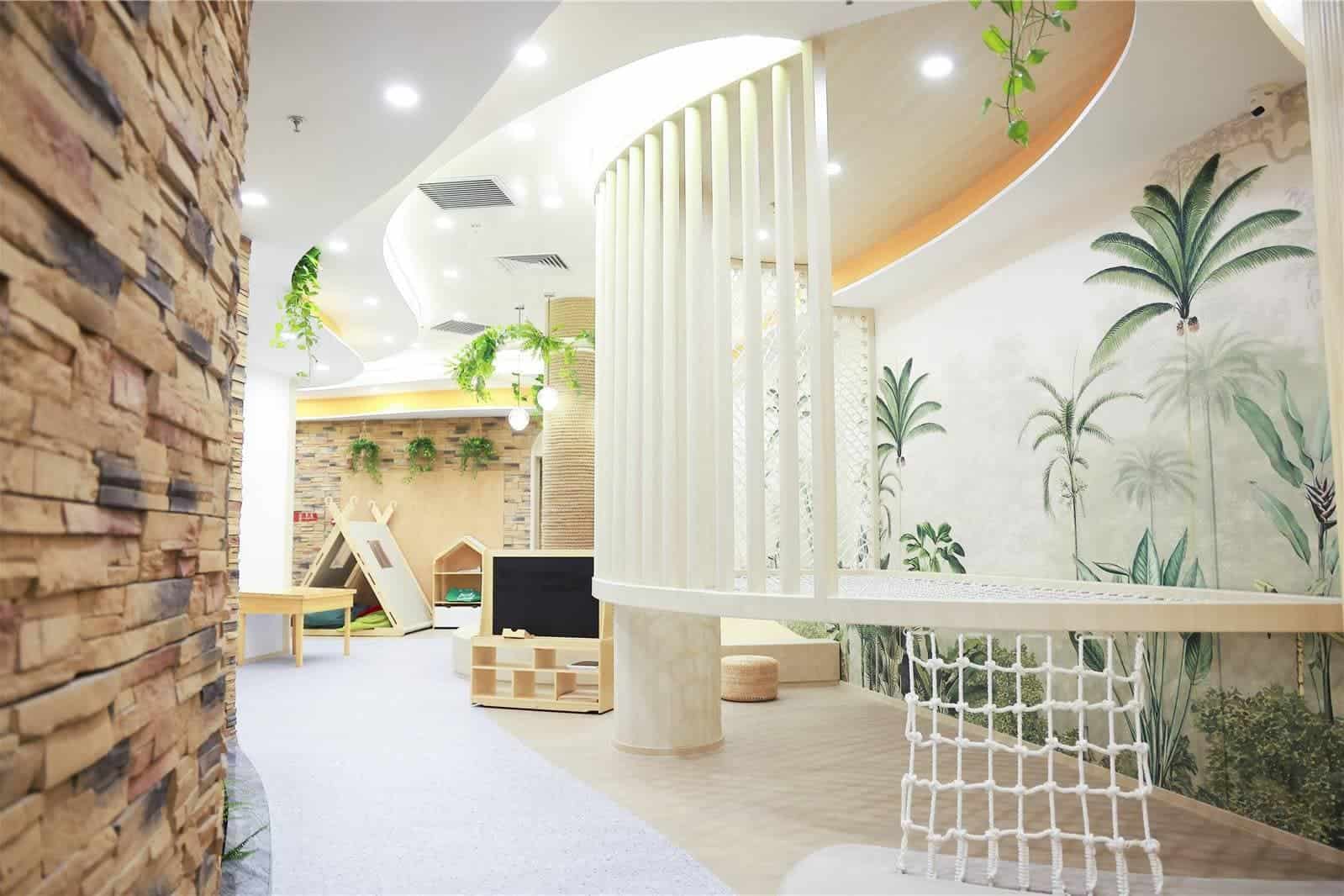
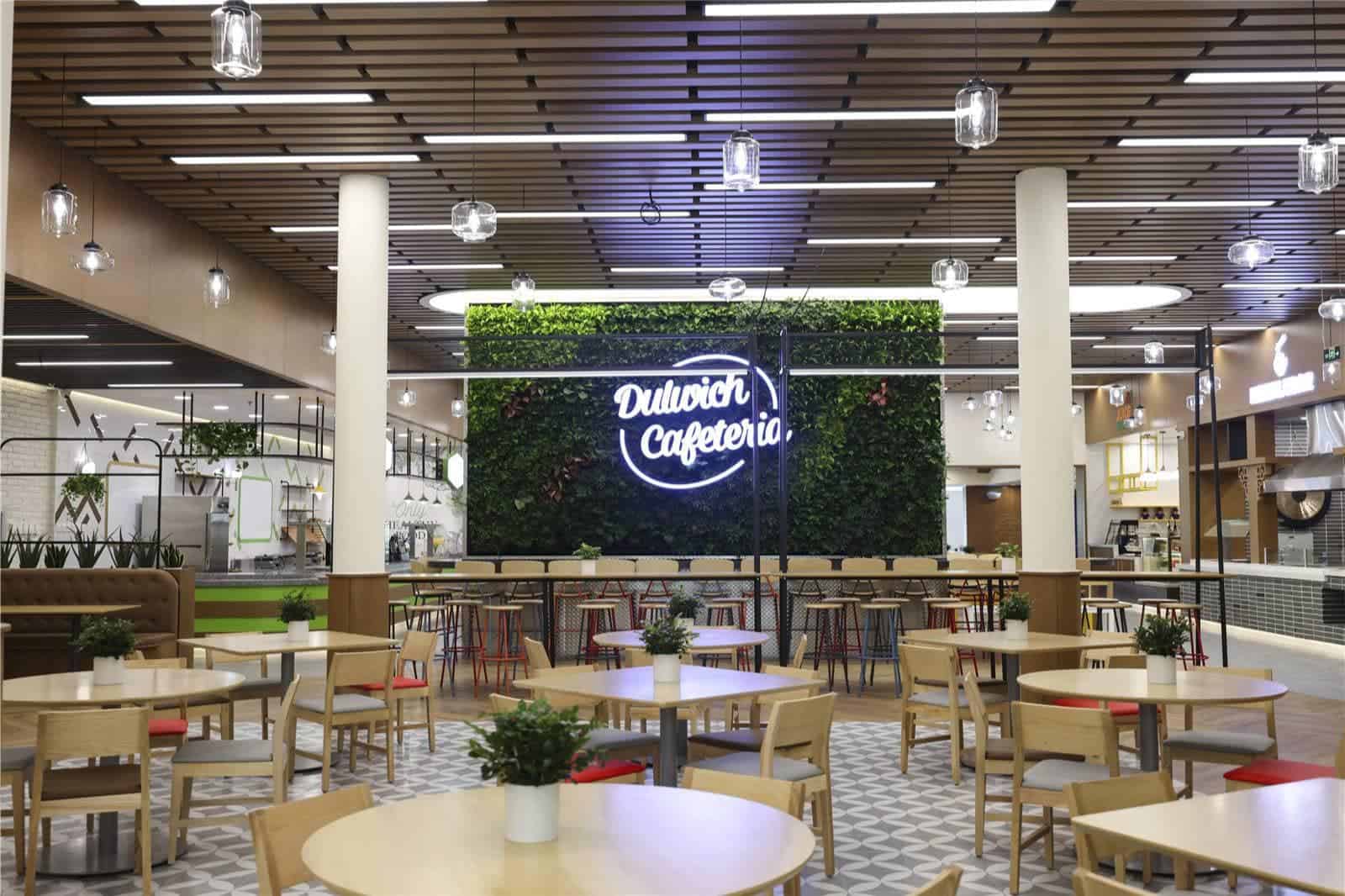
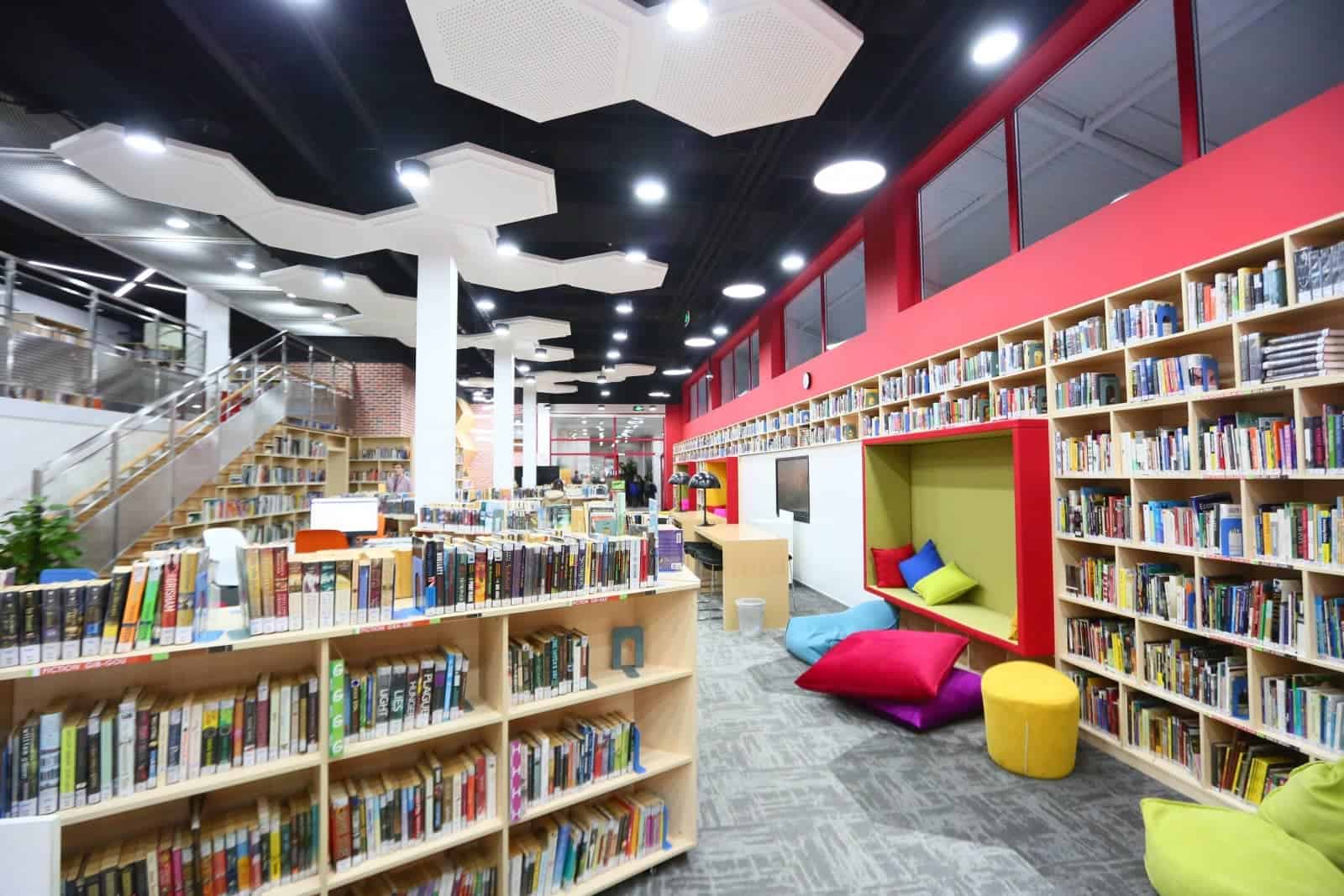
Dulwich College Beijing
British Curriculum
IB Curriculum
🗣️ English🗣️ Mandarin 👥 1,600 🌍 30+ nations
(5 reviews)

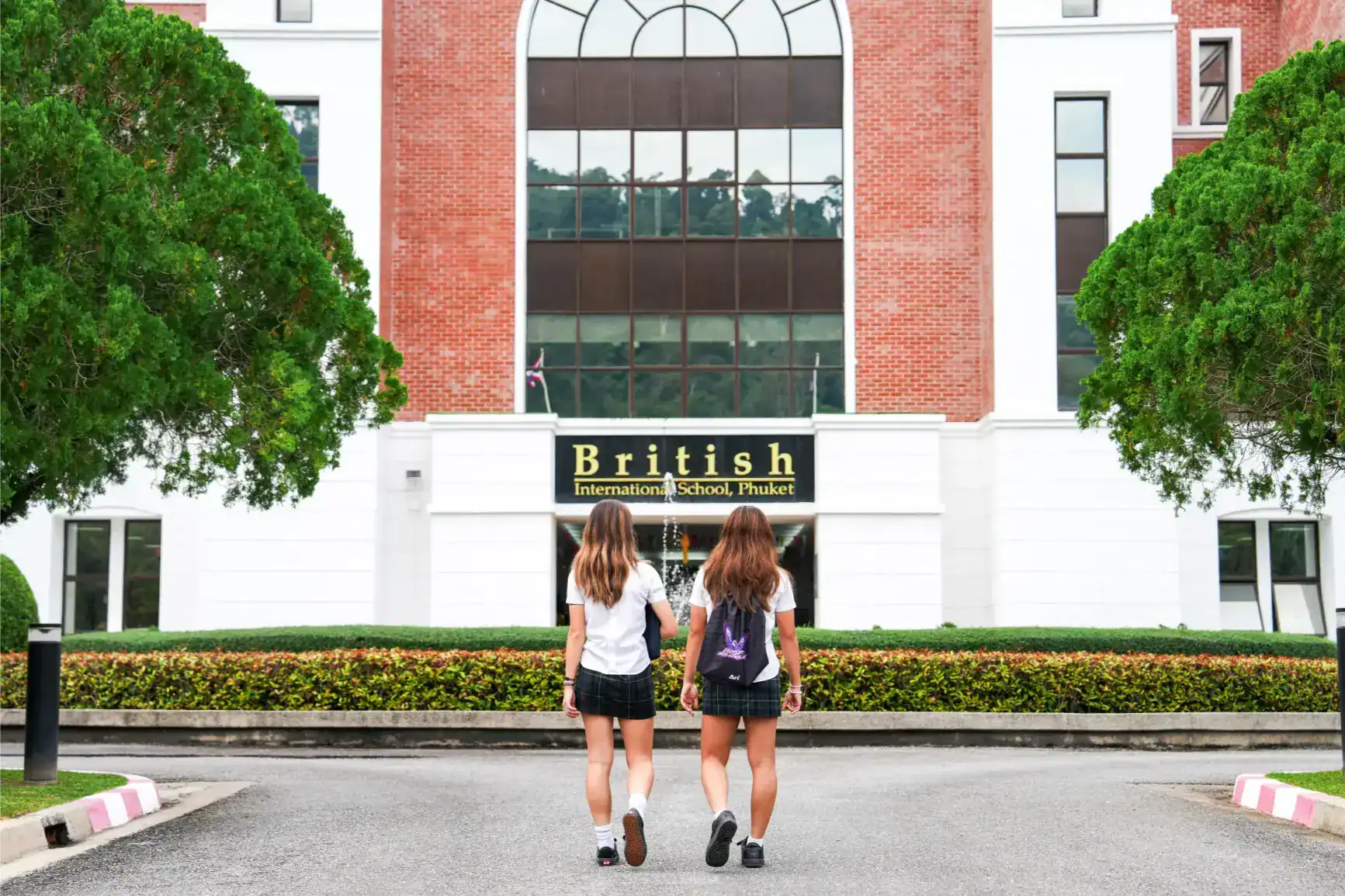
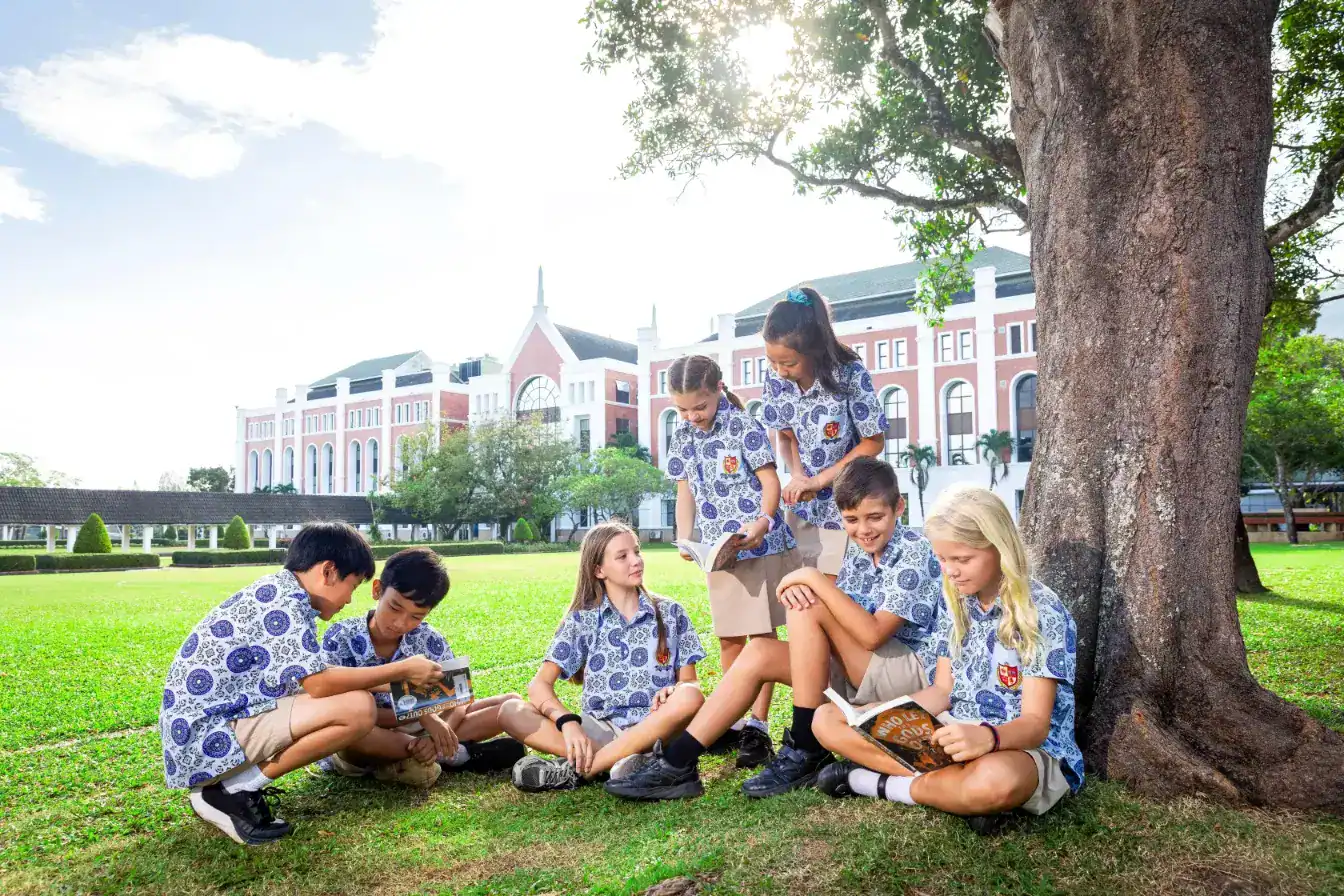
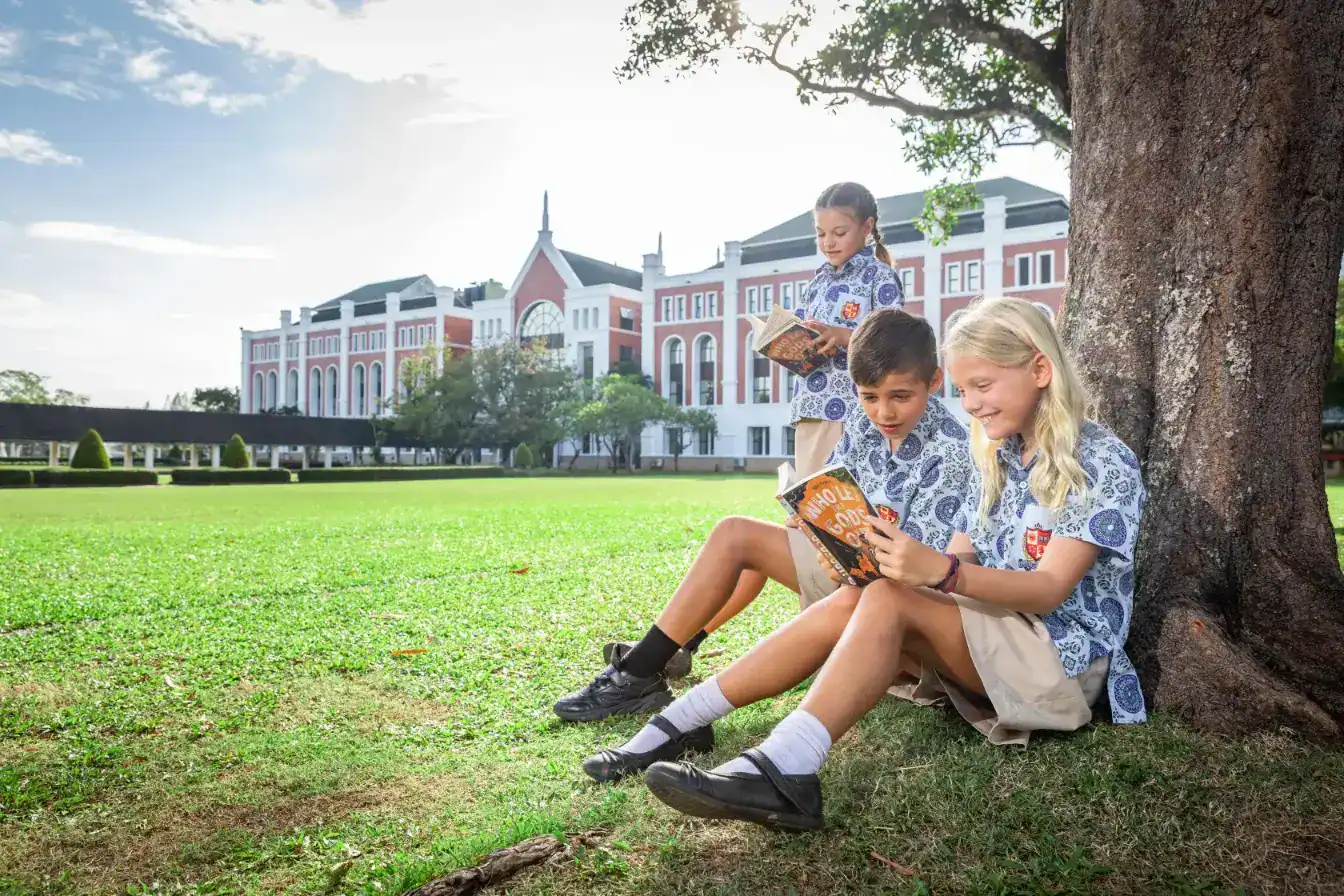

British International School, Phuket
British Curriculum
IB Curriculum
🗣️ English 👥 1,150 🌍 66+ nations
(1 review)


The British International School Abu Dhabi
British Curriculum
IB Curriculum
🗣️ English 👥 2,500 🌍 90+ nations
(8 reviews)


British International School (BIS) Hanoi
British Curriculum
IB Curriculum
🗣️ English 👥 1,100 🌍 31+ nations 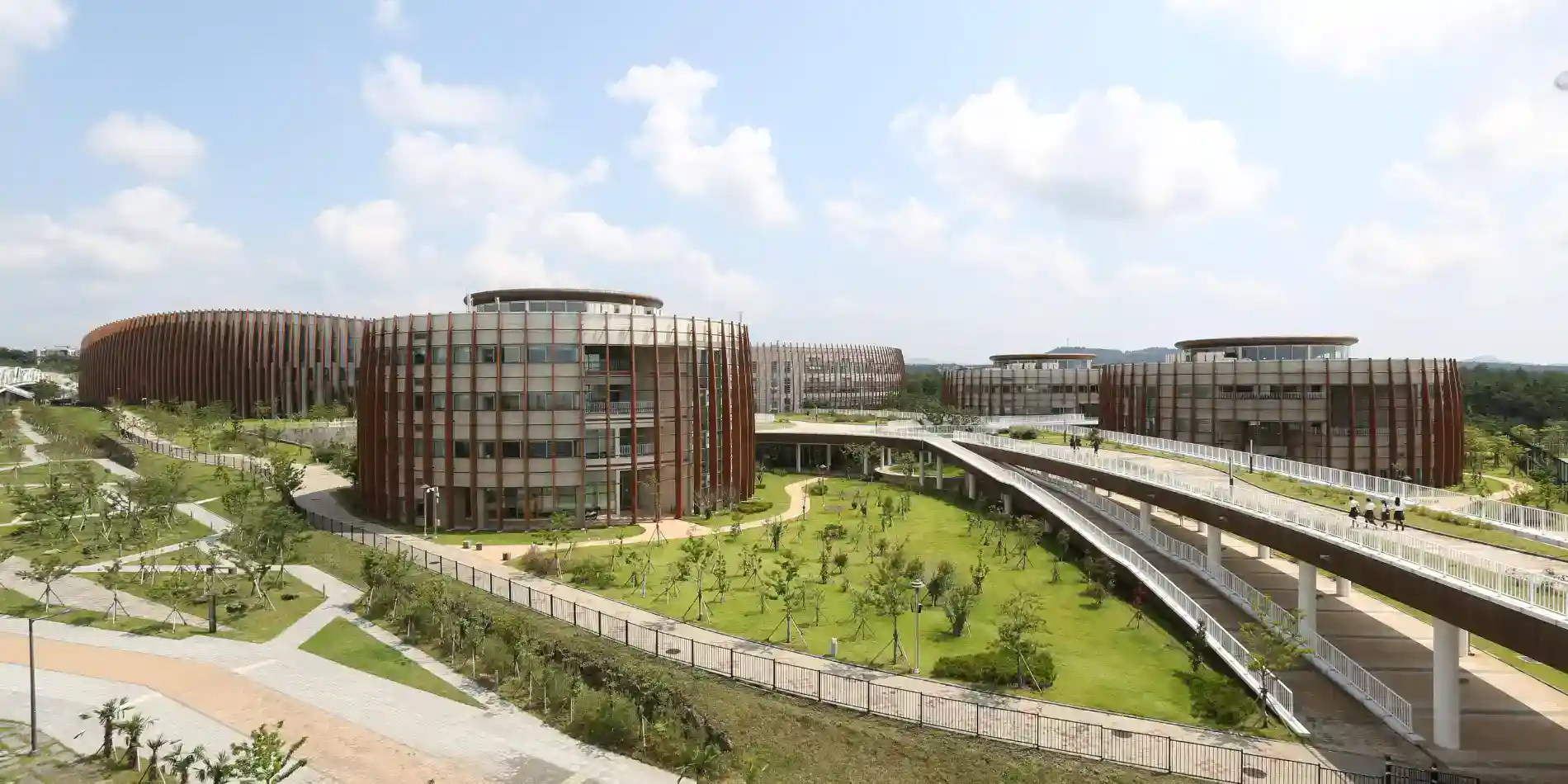
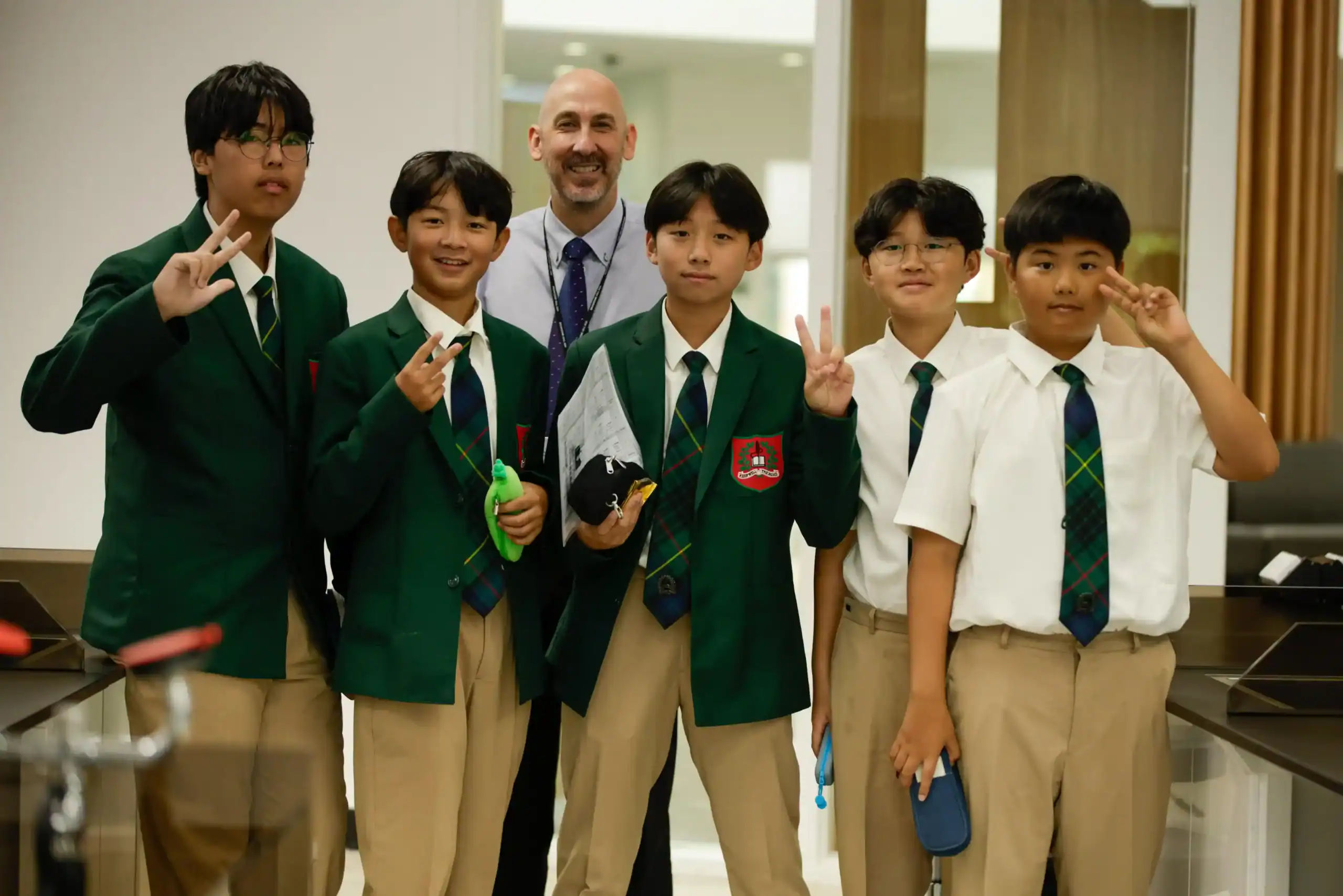
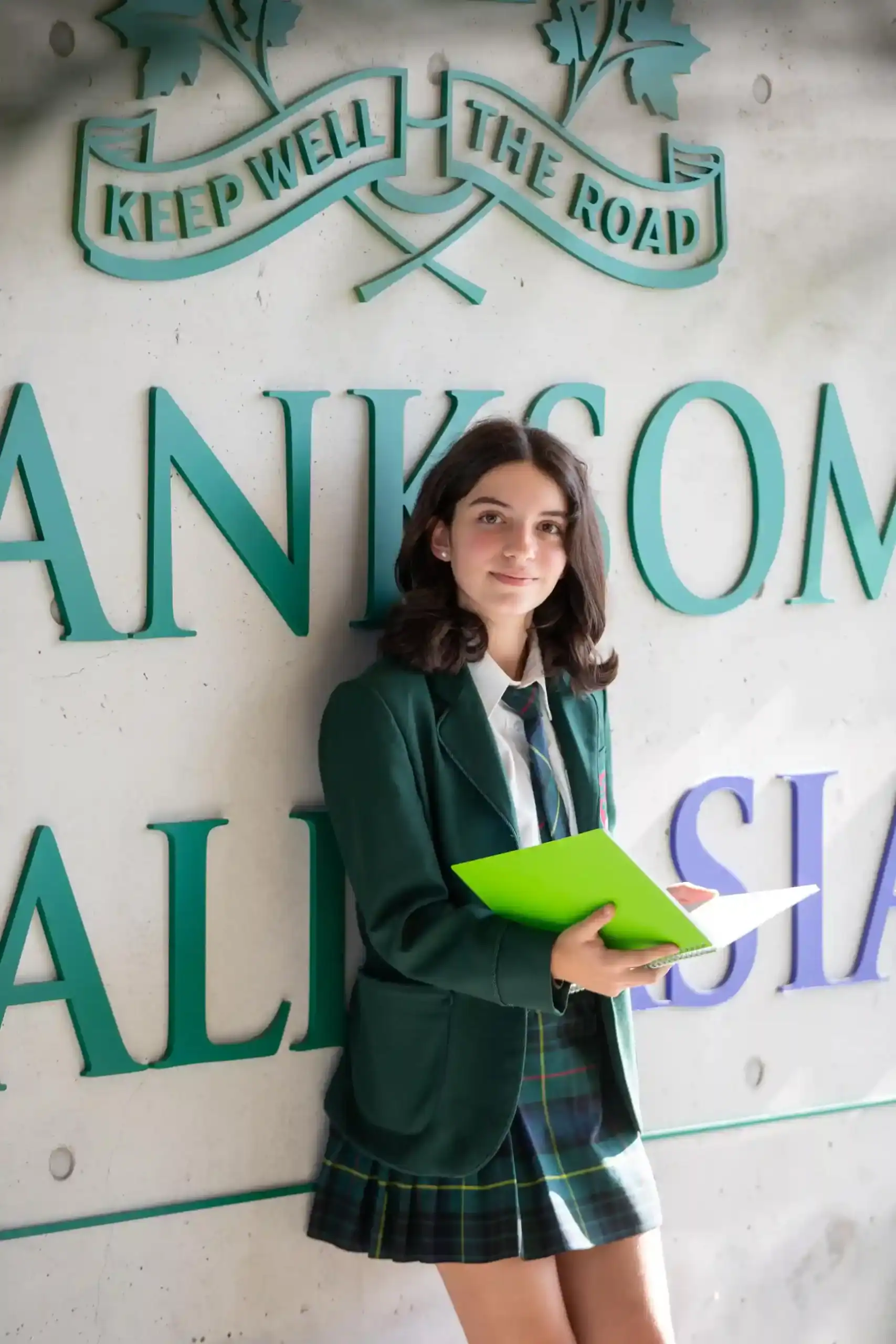

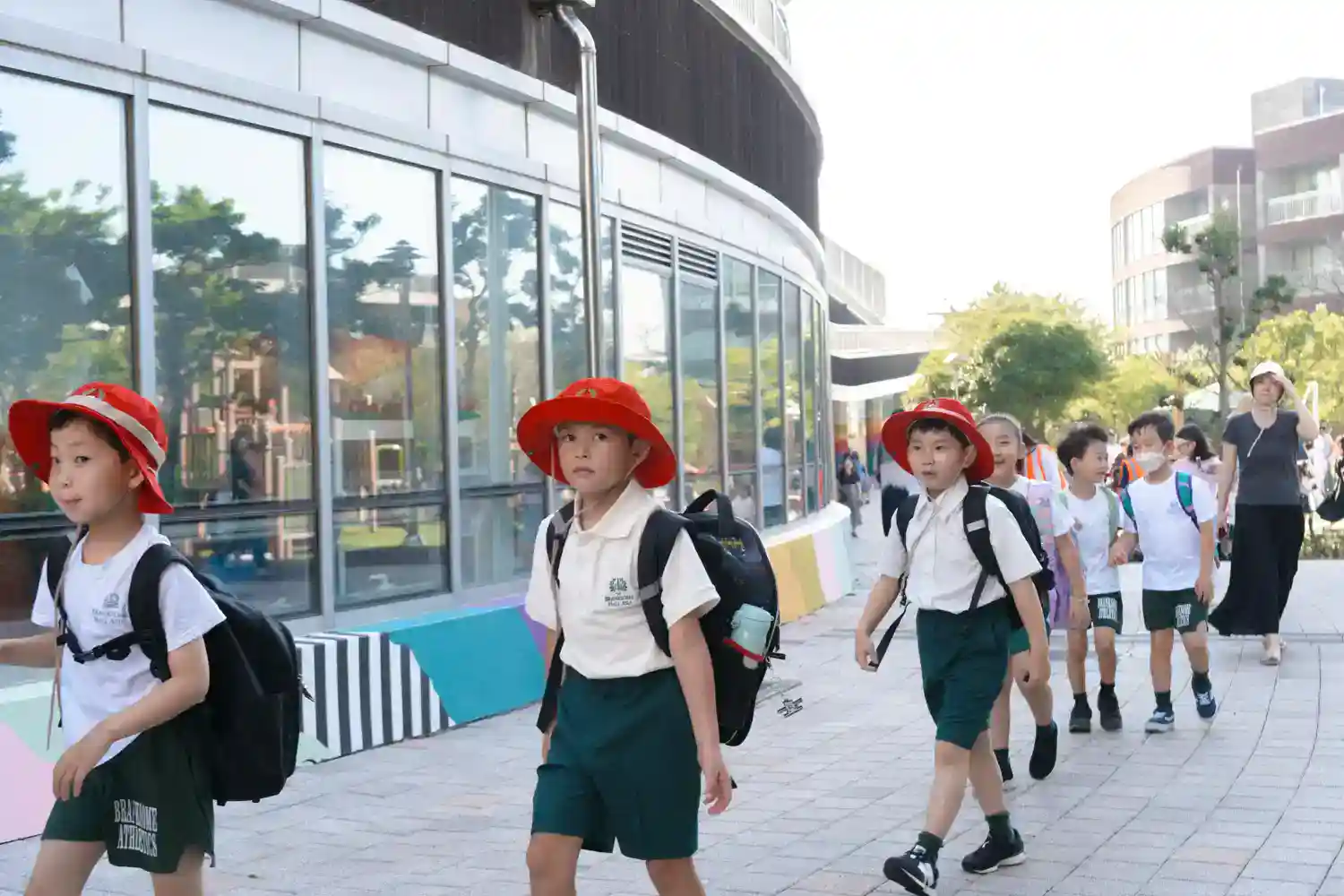
Branksome Hall Asia
IB Curriculum
IB Diploma Programme
🗣️ English 👥 1,210 🌍 20+ nations 
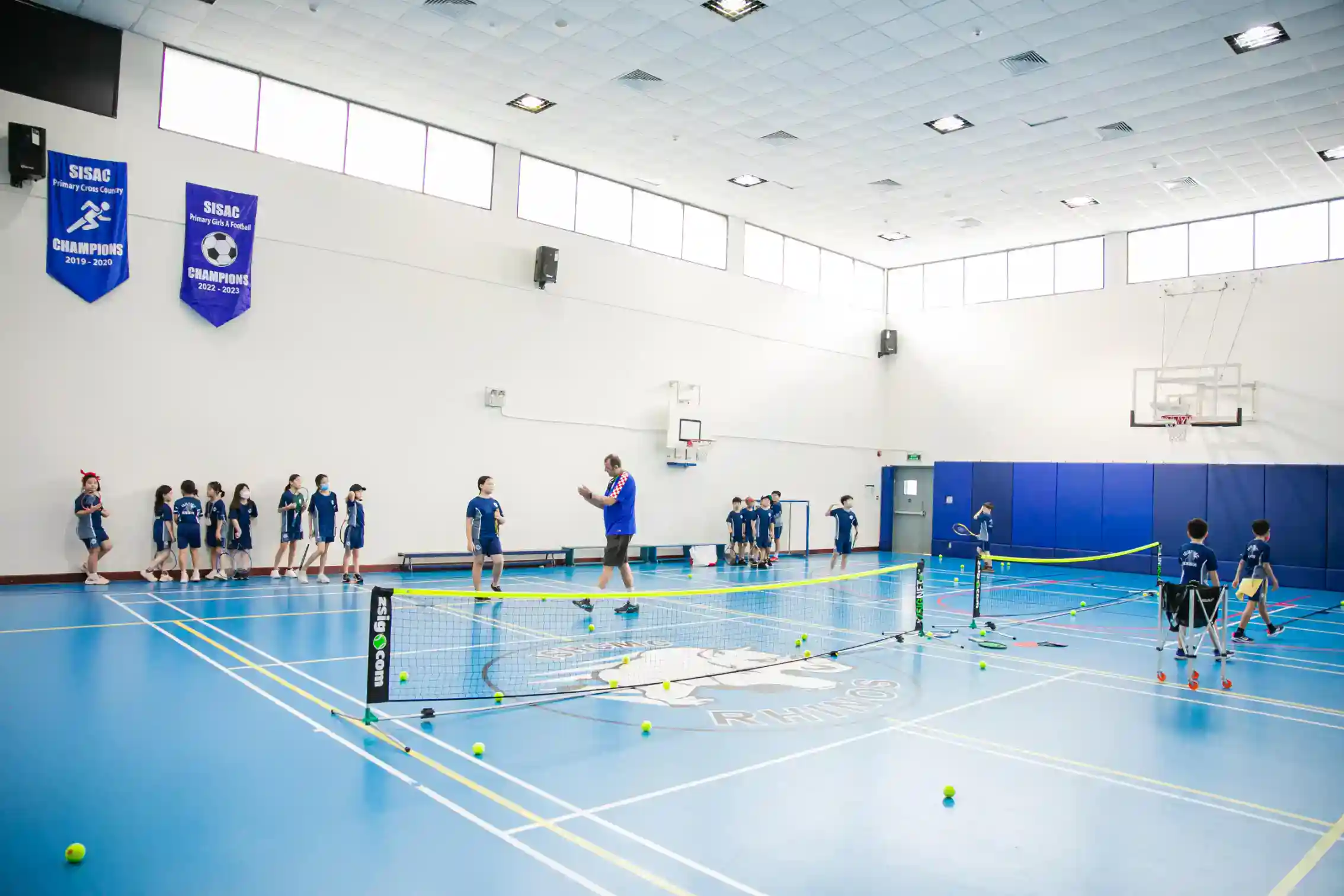
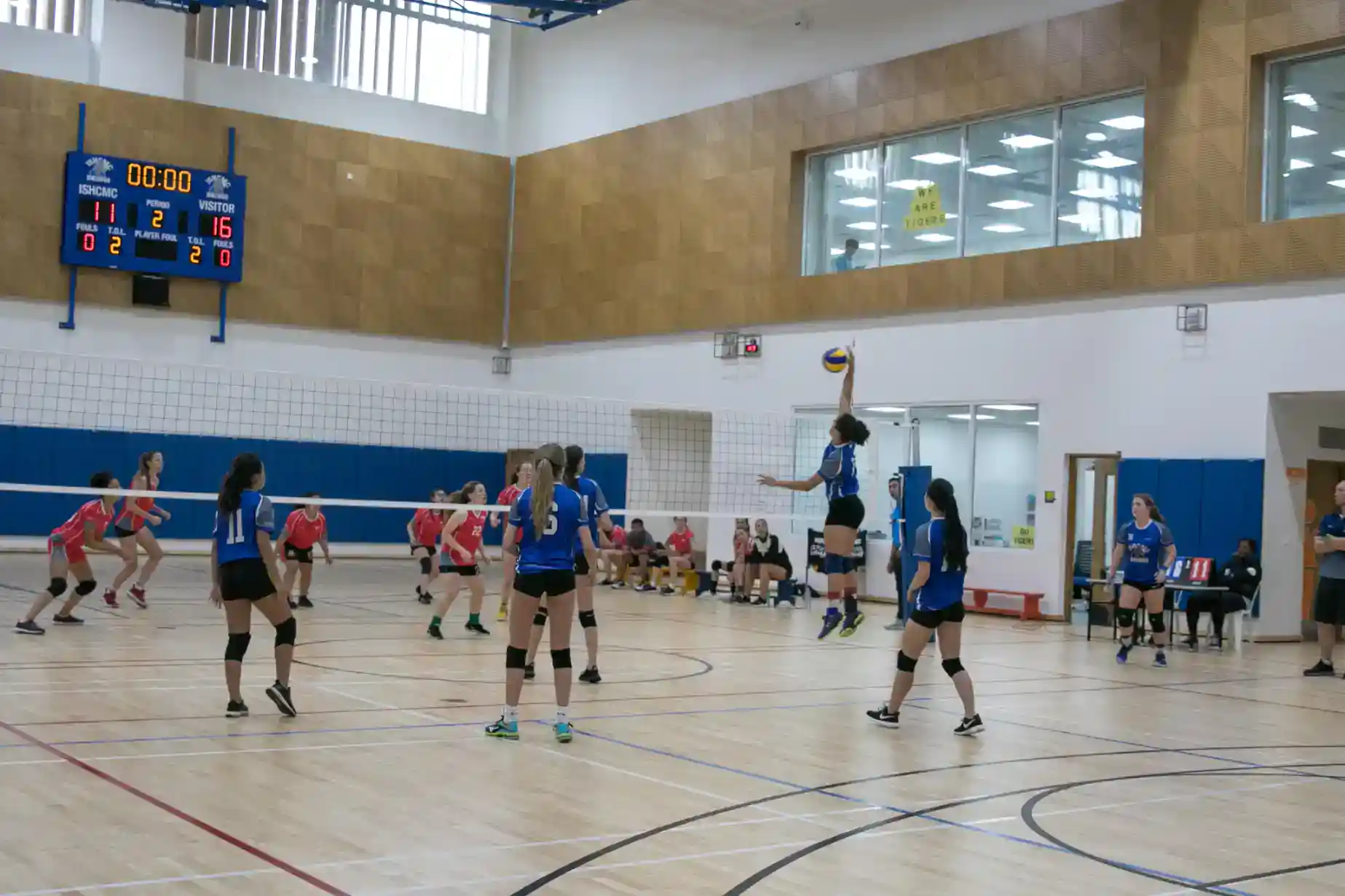
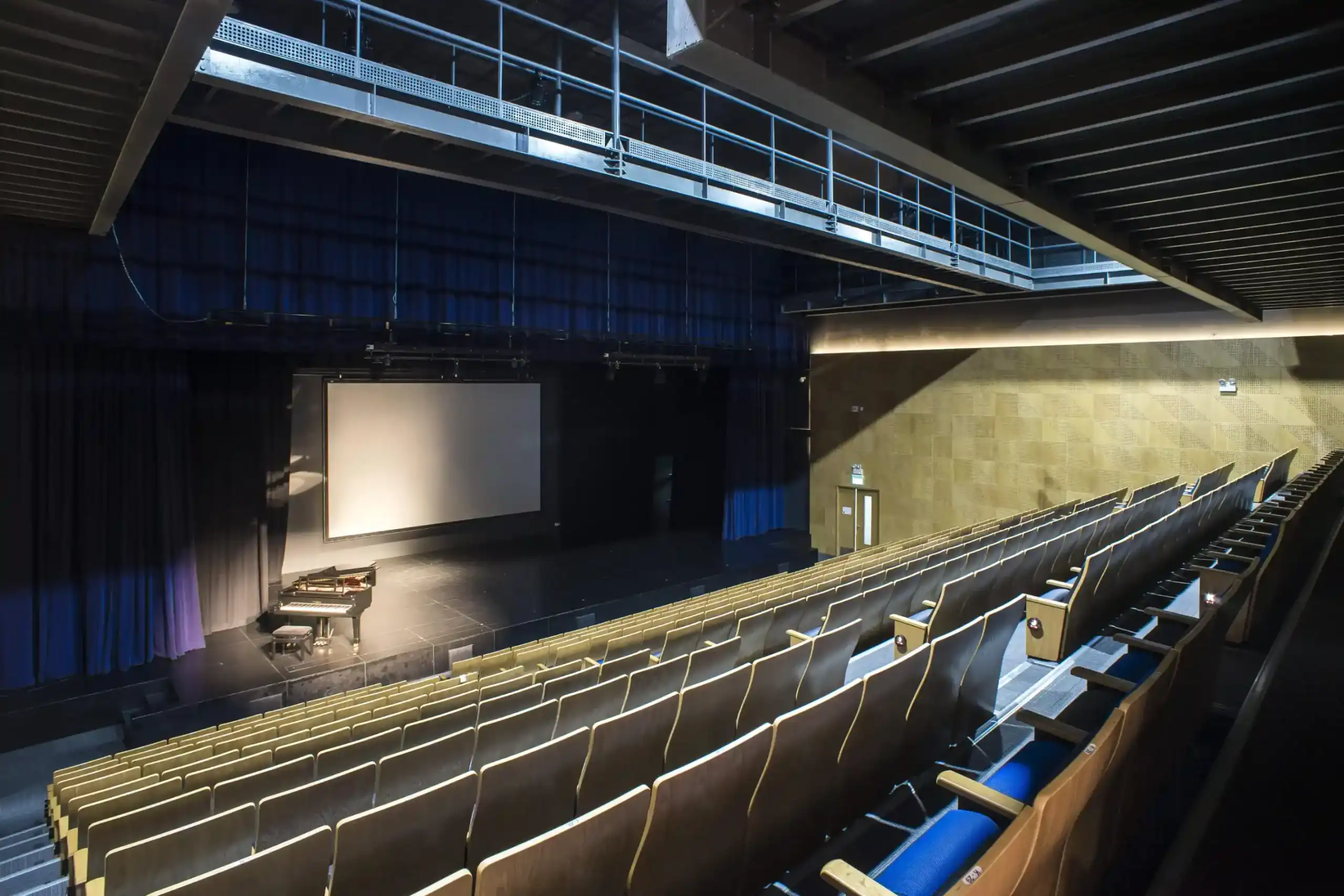
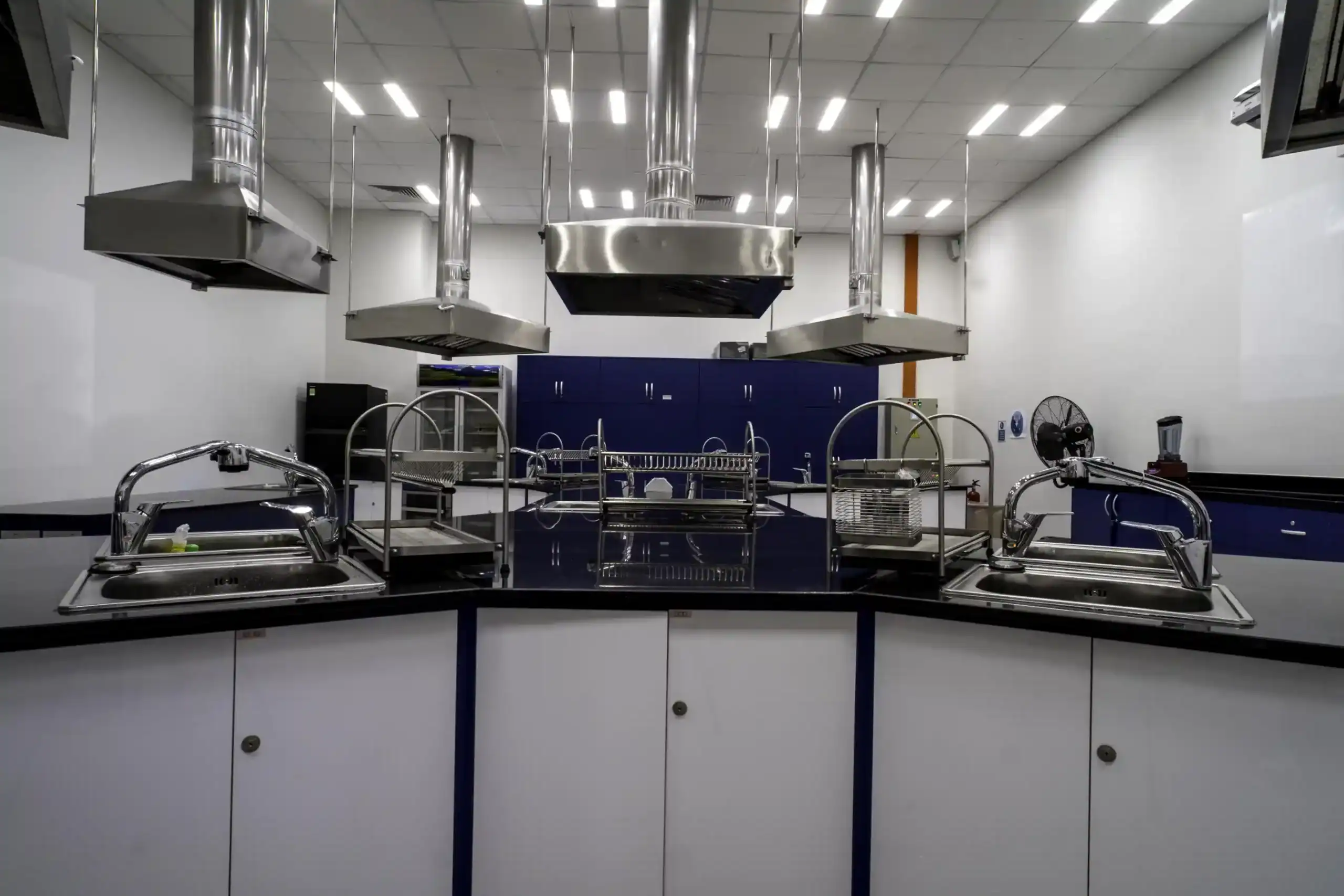
International School Ho Chi Minh City
IB Curriculum
🗣️ English 👥 1,410 🌍 60+ nations
(4 reviews)


St. Joseph’s Institution International
British Curriculum
IB Curriculum
🗣️ English 👥 2,044 🌍 48+ nations
(7 reviews)


Dulwich College (Singapore)
British Curriculum
IB Curriculum
🗣️ English 👥 2,950 🌍 60+ nations 


International School of Beijing
American Curriculum
IB Curriculum
🗣️ Chinese🗣️ English 👥 1,750 🌍 45+ nations
(5 reviews)

ACG School Jakarta
IB Curriculum
🗣️ English 👥 35 
Dubai International Academy
IB Curriculum
🗣️ Arabic🗣️ English 👥 2,760 
Chatsworth International School
IB Curriculum
🗣️ English 👥 800 🌍 50+ nations 209 more schools to discover
Why Choose IB Schools in Asia
Families are drawn to IB schools in Asia due to their balanced approach, combining rigorous international educational standards with a deep appreciation for local culture. These schools not only prepare students academically but also promote personal growth and global citizenship through a diverse curriculum and a wide range of extracurricular activities.
A Fusion of Global Perspectives and Local Insights
One of the compelling reasons families gravitate towards International Baccalaureate (IB) schools in Asia is the unique blend of global educational standards combined with a deep respect for local cultures and traditions. This synthesis not only broadens students' horizons but also deepens their understanding of their own cultural heritage, fostering a well-rounded worldview. IB schools in Asia are celebrated for their rigorous academic framework that promises a holistic educational experience, preparing students not just academically but also socially and emotionally for the complexities of the global landscape.
Preparing for the Future with a Diverse Curriculum
The IB curriculum is renowned for its rigorous and diverse approach, emphasizing critical thinking, intercultural understanding, and exposure to a variety of viewpoints. Parents choose IB schools in Asia because they offer a curriculum that is both challenging and enriching, designed to prepare students for the intellectual demands of higher education and the professional world beyond. The curriculum's inclusivity and adaptability mean that students from various backgrounds find it accessible and engaging, nurturing a passion for lifelong learning.
Access to Top-Notch Facilities and Teaching Staff
IB schools typically boast state-of-the-art facilities and highly qualified teaching staff, factors that are immensely attractive to families. These schools invest heavily in modern technologies and resources, which significantly enhance the learning experience. The teachers in IB schools are often experts in their fields with international experience, capable of delivering an education that is both insightful and expansive. This access to high-quality education and world-class resources is a major draw for parents looking for the best for their children.
Building a Community of Global Citizens
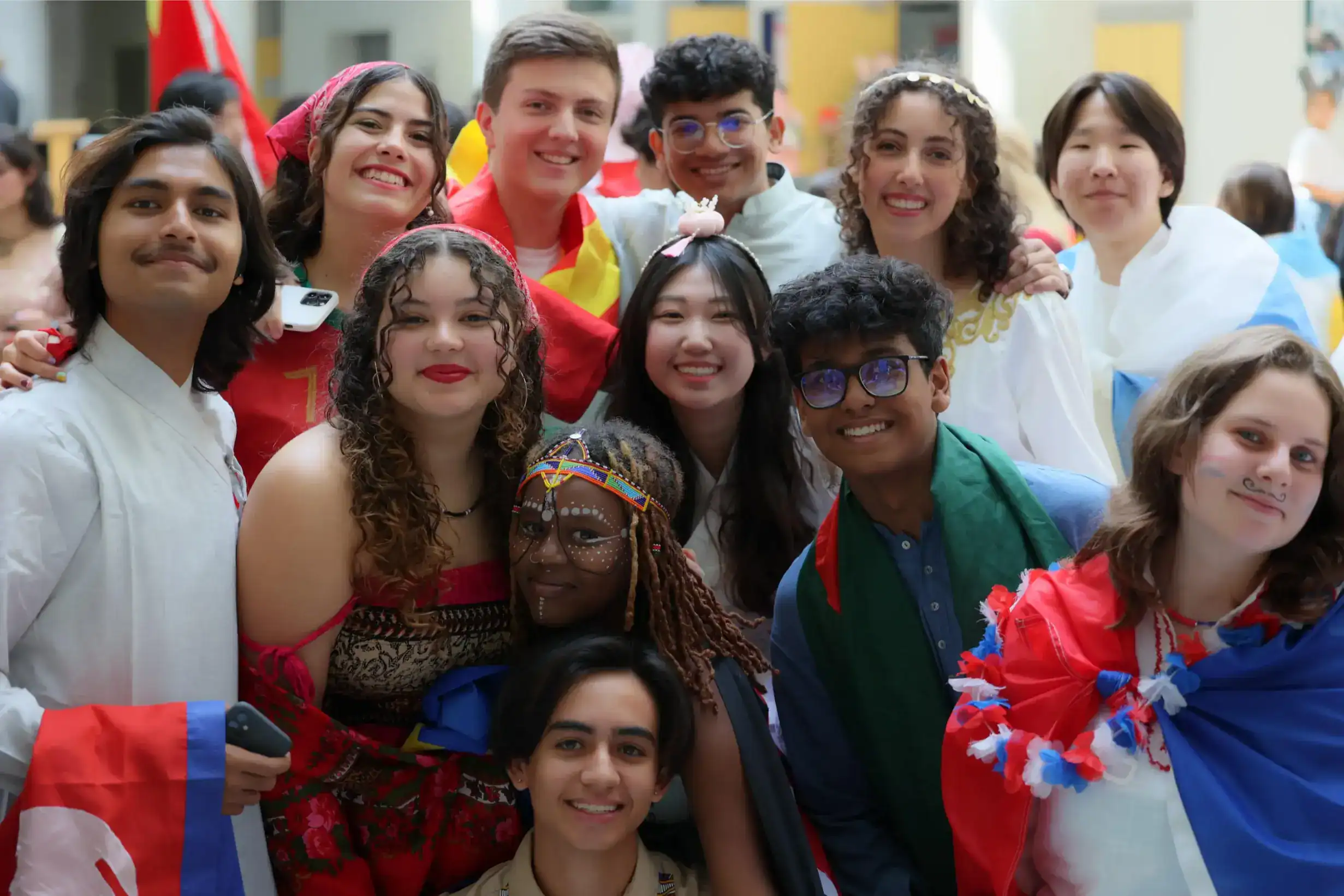
Parents are also drawn to the vibrant, multicultural communities that IB schools in Asia foster. These institutions are melting pots of ethnicity and culture, offering students the unique opportunity to interact with peers from diverse backgrounds. This exposure is invaluable as it teaches students to respect and value diversity, fostering global citizenship from a young age. Furthermore, the community-oriented approach of IB schools encourages collaboration and empathy among students, essential skills in today’s interconnected world.
Opportunities Beyond Academics
Beyond the academic rigor, IB schools in Asia offer a plethora of extracurricular activities that support the development of various skills in areas such as arts, sports, and technology. These opportunities are instrumental in fostering not only a student's intellectual abilities but also their personal growth and self-confidence. Whether it’s robotics clubs, music classes, or sports teams, IB schools provide platforms for students to explore and excel in their interests, creating a balanced and fulfilling school experience.
Conclusion
In summary, families choose IB schools in Asia not just for the promise of an excellent education but for the holistic development they offer students. The blend of a rigorous, globally recognized curriculum with a nurturing environment focused on broader personal and intellectual growth makes these schools highly sought after. They are not merely educational institutions; they are communities that prepare young minds to be leaders of tomorrow.
How much does it cost to attend IB Schools in Asia?
The yearly tuition fees for ib schools in Asia generally range from $10,000 to $30,000 per year. This cost can vary based on factors like the curriculum, campus facilities, and services offered — with some top-tier schools exceeding $40,000 annually.
| Category | Low Range | High Range |
|---|---|---|
| Annual Tuition | $10,000 | $30,000 |
| Monthly Equivalent | $835 | — |
| Registration Fee (one-time) | $500 | $1,500 |
| School Trips | $500 | $2,000 |
| Total Estimated Annual Cost | $12,200 | $35,000 |
Note: Costs shown are estimates based on available data. Contact schools directly for current fee structures. Additional costs may include transportation, meals, extracurricular activities, and exam fees.
Frequently Asked Questions
There are currently 233 IB Schools in Asia. These schools follow the IB Curriculum curriculum, providing students with a globally recognized education.
Annual tuition fees for IB Schools in Asia typically range from $12,200 to $35,000 per year. We recommend contacting schools directly for detailed fee structures and scholarship opportunities.
The International Baccalaureate (IB) is known for its rigorous, inquiry-based approach to education. IB schools offer up to four programmes:
- PYP (Primary Years Programme): Ages 3-12 — Develops caring and culturally aware children to become active participants in their own learning.
- MYP (Middle Years Programme): Ages 11-16 — Builds a solid academic foundation and develops students' confidence in managing their own learning.
- DP (Diploma Programme): Ages 16-19 — A future-ready programme that builds inquiring mindset and prepares students to excel.
- CP (Career-related Programme): Ages 16-19 — Equips students with future-ready skills combining academic subjects with professional interests.
IB qualifications are recognized by universities worldwide, making graduates highly sought after.
When selecting an international school in Asia, consider:
- Accreditation: Look for CIS, NEASC, or similar recognition
- Curriculum: Match to your family's mobility plans
- Language support: ESL/EAL programs if needed
- Community: Diversity of student body
- Transition support: Important for expat families
Use our school profiles and comparison tools to make an informed decision.
IB Schools in Asia accept students from 1 to 19 years old. This covers early years through high school, with each school having specific grade levels. Use our age filters to find schools matching your child's specific needs.
The admission process typically includes:
- Application: Submit forms and required documents
- Academic records: Transcripts and recommendations
- Assessment: Entrance tests or interviews may be required
- School visit: Tours and meetings with admissions
Contact schools directly for specific requirements and deadlines.
News & Events from IB Schools in Asia
See all →
Why Families Choose Boarding at Regents International School Pattaya
Aug 5, 2026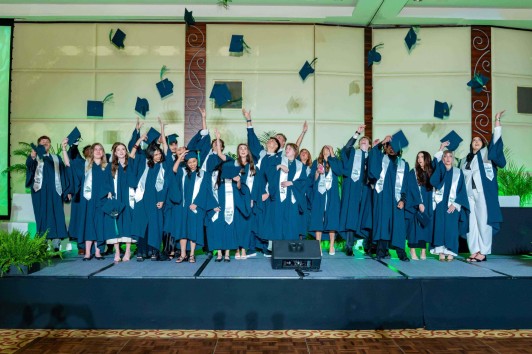
What Arbor’s First Graduating Cohort Reveals About a School
Jul 2, 2026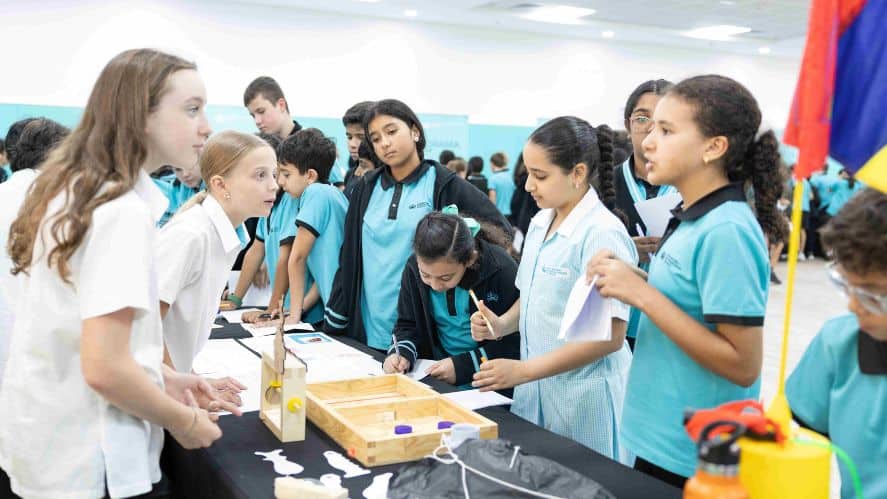
Helping Your Child Thrive Through the Move to Secondary School
Jun 22, 2026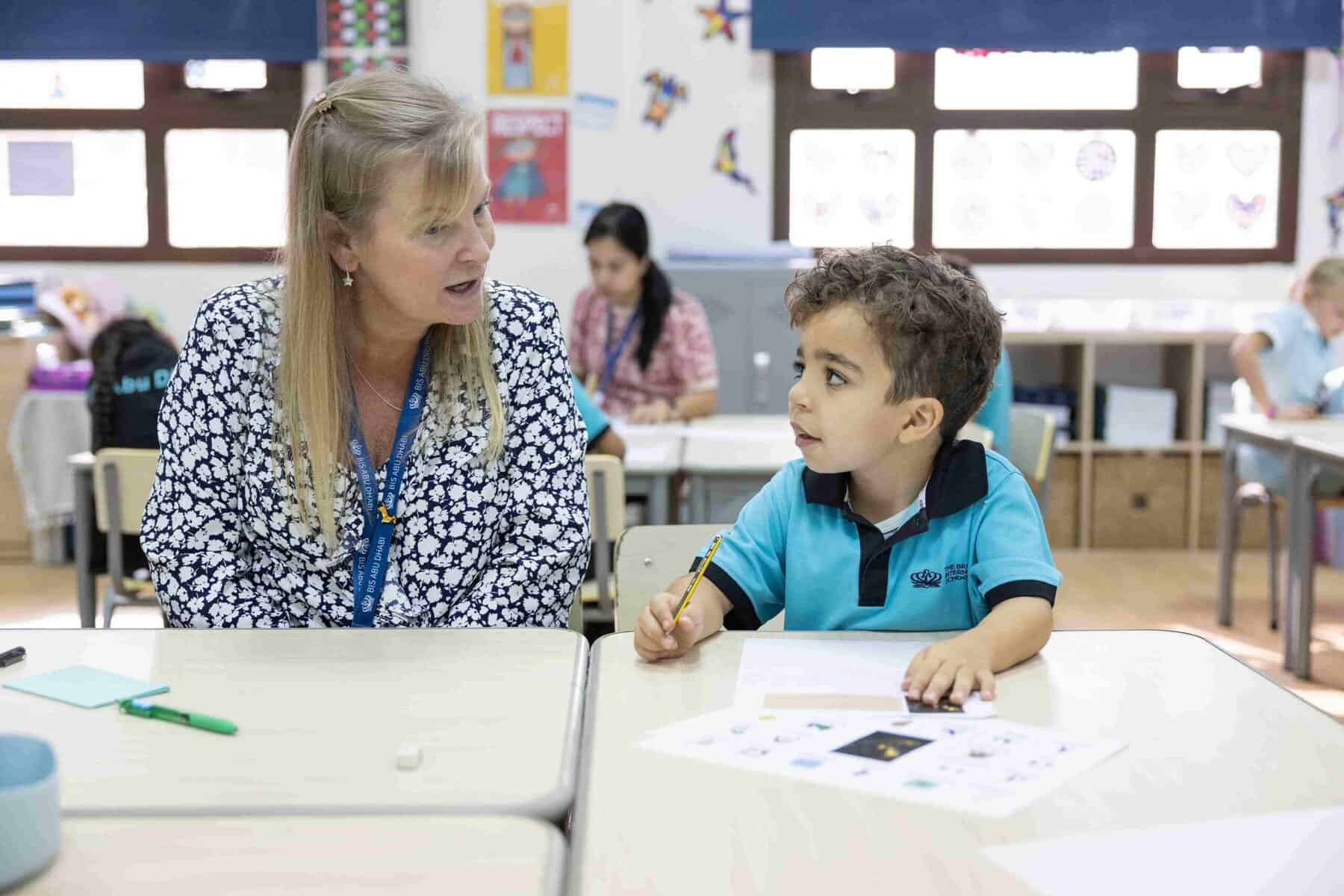
Why Early Phonics Matters More than Ever
Jun 17, 2026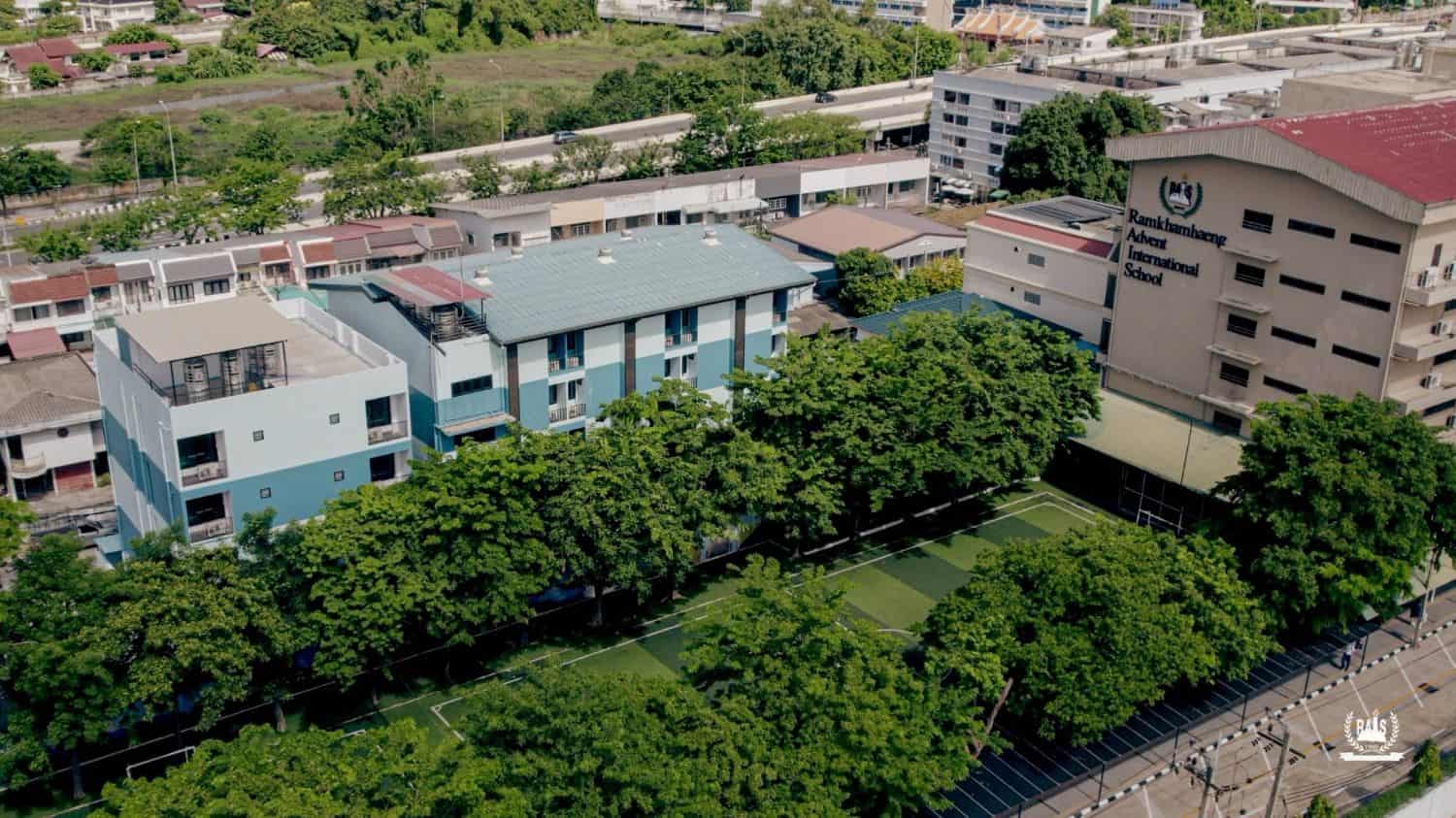
A Premium Space to Thrive: Introducing the New RAIS Boarding Residences
Jun 16, 2026