

Билингвизм - сложная область для исследования, густой лес сбивающих с толку переменных, среди которых выборка, уровень образования, используемые задания, вариации самих языков и различные результаты от разных языковых комбинаций - лишь некоторые из них. Однако есть доказательства того, что знание более чем одного языка дает не только дополнительные возможности, но и когнитивные преимущества. Результаты исследований в области неврологии связывают овладение языком со структурными изменениями в мозге, которые способствуют развитию исполнительных функций, таких как когнитивная гибкость, творческое мышление и управление вниманием.
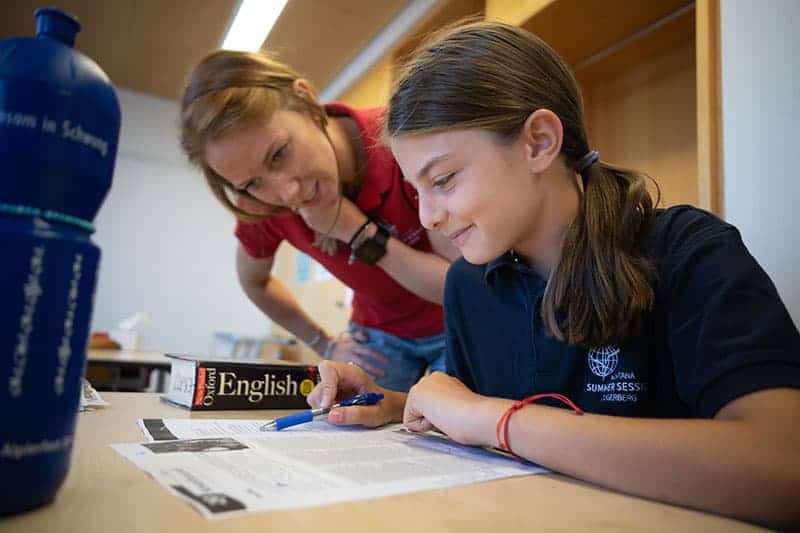
Что такое двуязычное образование?
Человеческое поведение и восприятие опосредованы нашим языком; коды, раскрывающиеся при изучении новых языков, помогают создать новый уровень восприятия. Ведущий швейцарский учёный и эксперт по билингвизму Франсуа Грожан показал, что двуязычный ребёнок или взрослый — это не просто сумма двух (или более) монолингвов; скорее, он или она — обладатель уникальной и специфической языковой конфигурации. Билингв управляет и манипулирует вниманием к тому или иному языку, активно, но часто подсознательно. Их языки не только сосуществуют, но и взаимодействуют, создавая свою собственную целостную систему.
Преимущества двуязычного образования
В современном глобализированном мире двуязычное образование играет решающую роль и дает определенные преимущества, особенно молодому поколению.
1. Граждане мира
Двуязычные люди бесценны в современном мире. Они обнаружат, что открываются новые перспективы трудоустройства и расширяются социальные горизонты. Их взаимодействие с миром и обществом, в котором мы живём, богато, а их ум гибок.
2. Психологические преимущества
Более того, их способности выходят за рамки простого перевода слов из одного кода в другой; хорошее знание другого языка приносит тонкие психологические преимущества. К ним относятся способность видеть обе стороны истории, понимать расширенный смысл и обладать широким спектром концептуального понимания. Эти качества полезны для самого человека и, что особенно важно, способствуют достижению труднодостижимой цели – международной гармонии. Билингвы выступают в роли посредников, которые могут объяснить одну культуру представителям другой и выступить в роли посредников между ними.
3. Знание языка
Международное школьное образование способствует повышению уровня владения языками. По мере того как семьи становятся все более глобальными и все больше молодых людей отправляются на учебу и работу, они могут встретить будущего партнера далеко от страны своего рождения, что приводит к увеличению числа мультикультурных семей, говорящих на нескольких языках в своих международных семьях. Хотя мы сталкиваемся с доминированием одного языка в широких областях человеческой деятельности, где английский является языком 1 или 2 для многих, если не большинства, студентов, интересно отметить, как это приводит к тому, что все больше и больше версий английского языка получают признание. Растет число граждан мира, пользующихся преимуществами различных форм билингвизма.
4. Понимание культур
Помимо функциональных преимуществ изучения языка, билингвизм - это еще и понимание культур. Создавая свою уникальную языковую систему, билингв также осмысливает свое отношение к обеим культурам, доступ к которым он получил благодаря своему лингвистическому коду. Одновременно с управлением своим вниманием к этому коду, его словарному запасу и синтаксису, билингв обращает внимание на культурные варианты между языками. Они постоянно сочетают и смешивают аспекты культур, в которых живут, делая лингвистический и культурный выбор в зависимости от обстоятельств.
В результате возникает "пространство между", похожее на среду обитания детей третьей культуры. Идея детей третьей культуры была разработана для обозначения детей, растущих за пределами родных стран своих родителей (которые часто сами были экспатриантами). Они становятся частью третьей культуры, а не той, которая возникает из простого смешения родной и принимающей стран.
Bilinguals as Bridge Builders
Francois Grosjean points out that bilinguals who are allowed to be who they are, and to accept their dual (or multiple) lived experiences, are invaluable members of society who bridge the gap between the cultures they belong to. This is an important role played by the sort of educational provision to be found at Institut Montana.
Continue reading
Bilinguals as Bridge Builders
Francois Grosjean points out that bilinguals who are allowed to be who they are, and to accept their dual (or multiple) lived experiences, are invaluable members of society who bridge the gap between the cultures they belong to. This is an important role played by the sort of educational provision to be found at Institut Montana.
Continue reading
Двуязычный класс
Двуязычный класс - это вдохновляющее место. Один только вид детских школьных работ с подписями и надписями, демонстрирующими владение двумя языками, расширяет сознание. Но это не происходит само по себе, и качество обучения имеет решающее значение - каждый ребенок должен чувствовать себя счастливым и уверенным, чтобы быть открытым как для трудностей, так и для преимуществ двуязычного обучения. Исследования двуязычного мозга определяют методы обучения. Теперь понятно, что эти дети используют оба языка, чтобы понять мир; они очень адаптивны, углубляют свое понимание первого языка, одновременно осваивая второй; и этот процесс оказывает важное положительное влияние на другие аспекты когнитивного развития, такие как управление вниманием.
A Tradition of International Education
The Bilingual Elementary section of Institut Montana has the school’s long history of international education on which to draw, as well as the dedication and expertise of its staff. Teaching in the bilingual classroom requires a thorough approach, with plenty of individual assessment and on-going help. Quality teaching comes from using evidence-based principles of instruction, such as teacher modelling and verbalizations, guided practice, and brisk lesson pacing to maintain student engagement.
Continue reading
Tailored Support for Every Child
The Montana Elementary school classrooms are tucked away in a pretty corner of the magnificent Institut Montana campus. As soon as a new child arrives, their language needs are quickly assessed and appropriate support organised. It might be that the child has some skills but needs in-class support to benefit fully from the lesson. In this case, teachers deploy the integrative EAL (for English) or DaZ (for German) programme where support is provided by an additional teacher within the normal classroom following the standard lessons. If the child would benefit from more intensive language tuition, they receive help specially tailored to their needs. For half of the English or German language lessons, they work with an extra teacher outside the classroom so that they quickly learn the foundational skills to enable rapid progress in the new language and find the subject matter within their reach. For the other half they continue to participate in normal lessons so that they can interact with their peers.
Continue reading
Balancing Languages and Identities
In this multi-lingual group of young learners, it is important not to hold up one language, and therefore cultural identity, as superior to another. Seeing one of the languages and its culture as the dominant one is counter-productive to the cultural harmony the bilingual classroom seeks to promote, even when the curriculum followed belongs to one of the languages. The Institut Montana Bilingual Elementary School follows the curriculum of its home country, Switzerland, but the balance between the two languages is scrupulously maintained. Teaching is distributed at 50% of the time for each language. Each academic year the groups change Class Advisors, swapping between German and English speaking, so there is a further balance in exposure to both languages.
Continue reading
A Tradition of International Education
The Bilingual Elementary section of Institut Montana has the school’s long history of international education on which to draw, as well as the dedication and expertise of its staff. Teaching in the bilingual classroom requires a thorough approach, with plenty of individual assessment and on-going help. Quality teaching comes from using evidence-based principles of instruction, such as teacher modelling and verbalizations, guided practice, and brisk lesson pacing to maintain student engagement.
Continue reading
Tailored Support for Every Child
The Montana Elementary school classrooms are tucked away in a pretty corner of the magnificent Institut Montana campus. As soon as a new child arrives, their language needs are quickly assessed and appropriate support organised. It might be that the child has some skills but needs in-class support to benefit fully from the lesson. In this case, teachers deploy the integrative EAL (for English) or DaZ (for German) programme where support is provided by an additional teacher within the normal classroom following the standard lessons. If the child would benefit from more intensive language tuition, they receive help specially tailored to their needs. For half of the English or German language lessons, they work with an extra teacher outside the classroom so that they quickly learn the foundational skills to enable rapid progress in the new language and find the subject matter within their reach. For the other half they continue to participate in normal lessons so that they can interact with their peers.
Continue reading
Balancing Languages and Identities
In this multi-lingual group of young learners, it is important not to hold up one language, and therefore cultural identity, as superior to another. Seeing one of the languages and its culture as the dominant one is counter-productive to the cultural harmony the bilingual classroom seeks to promote, even when the curriculum followed belongs to one of the languages. The Institut Montana Bilingual Elementary School follows the curriculum of its home country, Switzerland, but the balance between the two languages is scrupulously maintained. Teaching is distributed at 50% of the time for each language. Each academic year the groups change Class Advisors, swapping between German and English speaking, so there is a further balance in exposure to both languages.
Continue reading
Светлое будущее
Несомненно, изучение нового языка расширяет горизонты и добавляет полезный навык. Более того, оно приносит огромную когнитивную пользу, которая, несмотря на слишком большое количество переменных, которые невозможно разделить, является реальной и значимой.
Pathways to Global Opportunities
At Institut Montana, as they reach the end of their years at the Elementary School, these children greet a world of opportunity. They have the advanced skills in German that open the door to the academically demanding Swiss Matura, which they can choose to study in German or German and English. They can embark on the route towards the International Baccalaureate Diploma, a passport to universities all over the world. Or they can continue their bilingual studies at the Bilingual Secondary School while assessing where their ambitions might take them.
Continue reading
Pathways to Global Opportunities
At Institut Montana, as they reach the end of their years at the Elementary School, these children greet a world of opportunity. They have the advanced skills in German that open the door to the academically demanding Swiss Matura, which they can choose to study in German or German and English. They can embark on the route towards the International Baccalaureate Diploma, a passport to universities all over the world. Or they can continue their bilingual studies at the Bilingual Secondary School while assessing where their ambitions might take them.
Continue reading
Краткое содержание
Дети, собирающиеся вместе, чтобы учиться, играть и сотрудничать в пространстве, где два языка являются общей валютой, создают гибридное пространство с культурой, которая не принадлежит ни одному, ни другому. Двуязычный класс - это пространство инклюзивности, где идеи о культурной идентичности освещаются по-новому. Его ученики станут гражданами мира завтрашнего дня, широко мыслящими и проницательными взрослыми, которые умеют делиться знаниями и обсуждать их в мультикультурной среде и чувствуют себя как дома на международной встрече Zoom. Для этих ярких детей будущее светло.
Что говорят школы
Школы, имеющие практический опыт в этой теме, делятся своей точкой зрения.
Bilinguals as Bridge Builders
Francois Grosjean points out that bilinguals who are allowed to be who they are, and to accept their dual (or multiple) lived experiences, are invaluable members of society who bridge the gap between the cultures they belong to. This is an important role played by the sort of educational provision to be found at Institut Montana.
Continue reading
A Tradition of International Education
The Bilingual Elementary section of Institut Montana has the school’s long history of international education on which to draw, as well as the dedication and expertise of its staff. Teaching in the bilingual classroom requires a thorough approach, with plenty of individual assessment and on-going help. Quality teaching comes from using evidence-based principles of instruction, such as teacher modelling and verbalizations, guided practice, and brisk lesson pacing to maintain student engagement.
Continue reading
Tailored Support for Every Child
The Montana Elementary school classrooms are tucked away in a pretty corner of the magnificent Institut Montana campus. As soon as a new child arrives, their language needs are quickly assessed and appropriate support organised. It might be that the child has some skills but needs in-class support to benefit fully from the lesson. In this case, teachers deploy the integrative EAL (for English) or DaZ (for German) programme where support is provided by an additional teacher within the normal classroom following the standard lessons. If the child would benefit from more intensive language tuition, they receive help specially tailored to their needs. For half of the English or German language lessons, they work with an extra teacher outside the classroom so that they quickly learn the foundational skills to enable rapid progress in the new language and find the subject matter within their reach. For the other half they continue to participate in normal lessons so that they can interact with their peers.
Continue reading
Balancing Languages and Identities
In this multi-lingual group of young learners, it is important not to hold up one language, and therefore cultural identity, as superior to another. Seeing one of the languages and its culture as the dominant one is counter-productive to the cultural harmony the bilingual classroom seeks to promote, even when the curriculum followed belongs to one of the languages. The Institut Montana Bilingual Elementary School follows the curriculum of its home country, Switzerland, but the balance between the two languages is scrupulously maintained. Teaching is distributed at 50% of the time for each language. Each academic year the groups change Class Advisors, swapping between German and English speaking, so there is a further balance in exposure to both languages.
Continue reading

Александр Пейперс - соучредитель и генеральный директор компании World Schools и Всемирные лагеряОн возглавляет миссию по предоставлению семьям надежных рекомендаций по выбору школ и программ, способствующих академическим успехам, культурному разнообразию и целостному развитию.
Найдите новую школу
Расположение
В любом месте
Тип школы
Любая школа