AI Summit at Acorn: Building Thinking in the Age of Artificial Intelligence
As artificial intelligence continues to reshape the way we access and process information, the real challenge for education is no longer whether to adopt new technologies, but how to integrate them without compromising the development of critical thinking.
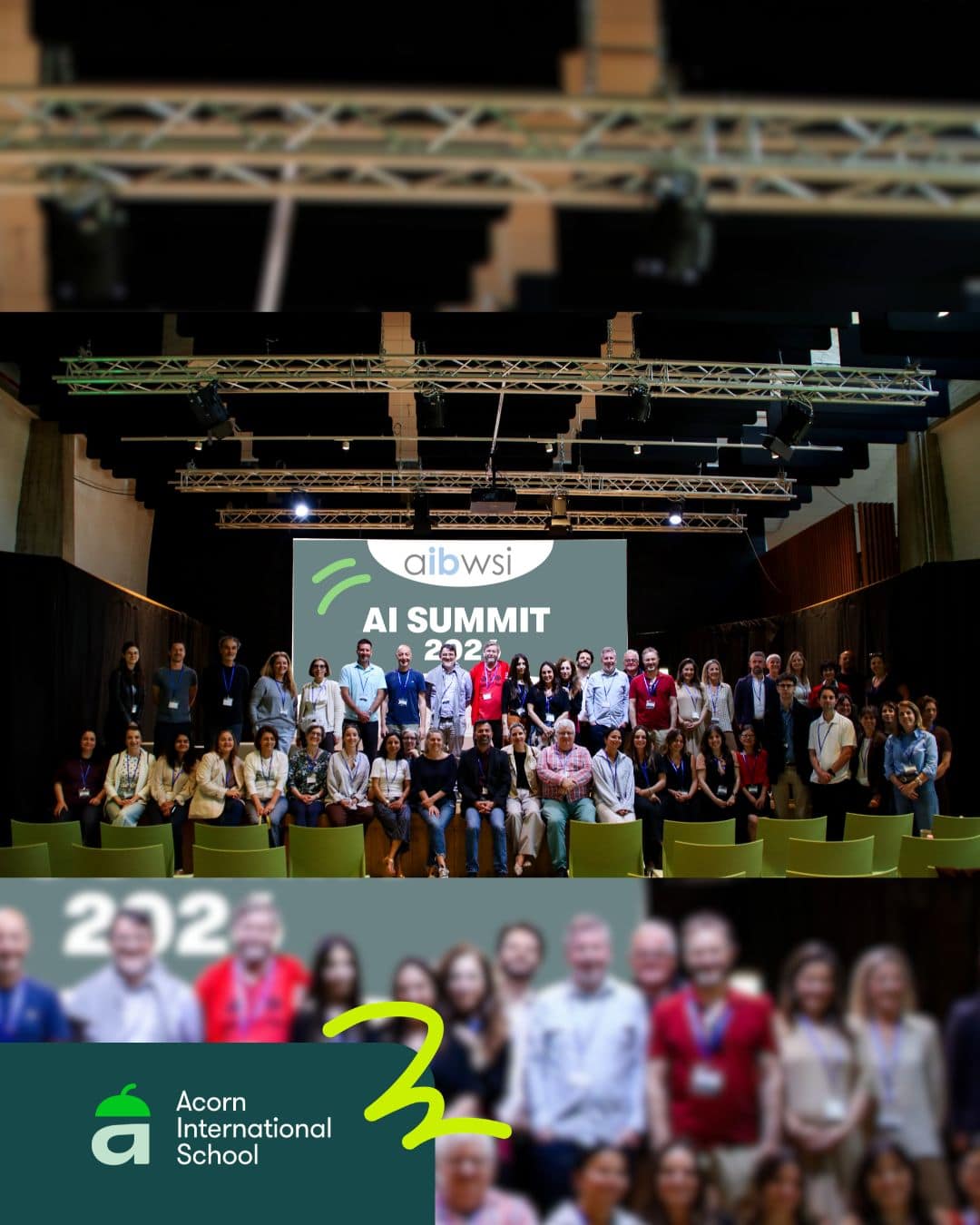
This question was at the heart of the AIBWSI AI Summit, hosted at Acorn International School in Rome. The event brought together a network of international schools and education professionals, united by a shared goal: leveraging AI to enhance learning while keeping cognitive development at the center.
International schools as drivers of innovation
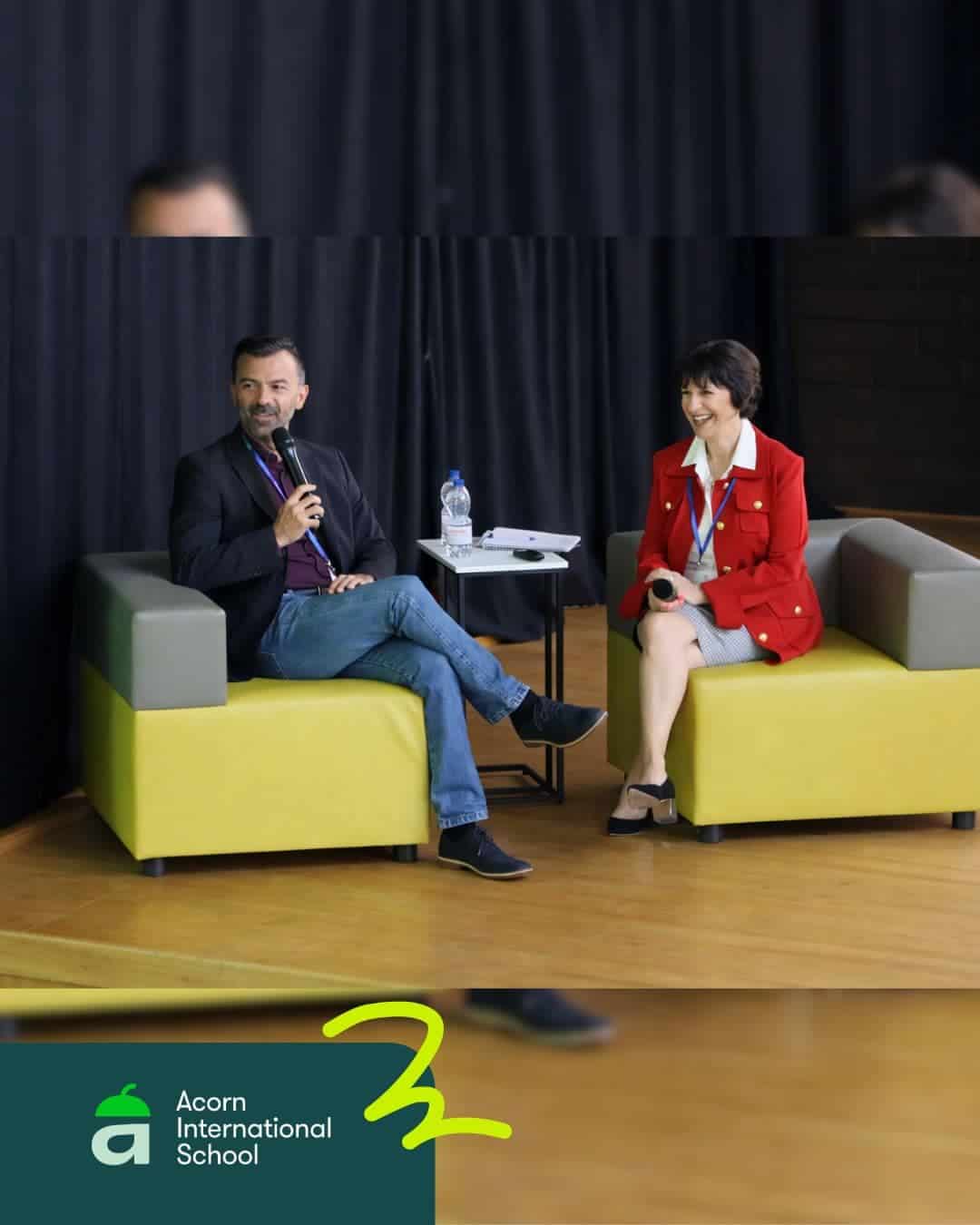
The summit opened with keynote contributions from Jeanne Allen, founder and CEO of the Center for Education Reform and a leading voice in education innovation, and Lorenzo Fioramonti, economist and former Italian Minister of Education, University and Research, widely known for his work on sustainability and the “well-being economy.”
They highlighted the strategic role of international schools as true innovation labs.
With greater flexibility than traditional national systems, these institutions are uniquely positioned to experiment with new educational models and respond quickly to global change. In this context, artificial intelligence becomes a powerful bridge between global knowledge and local application, making learning more relevant and impactful.
Artificial intelligence: from efficiency to deeper learning
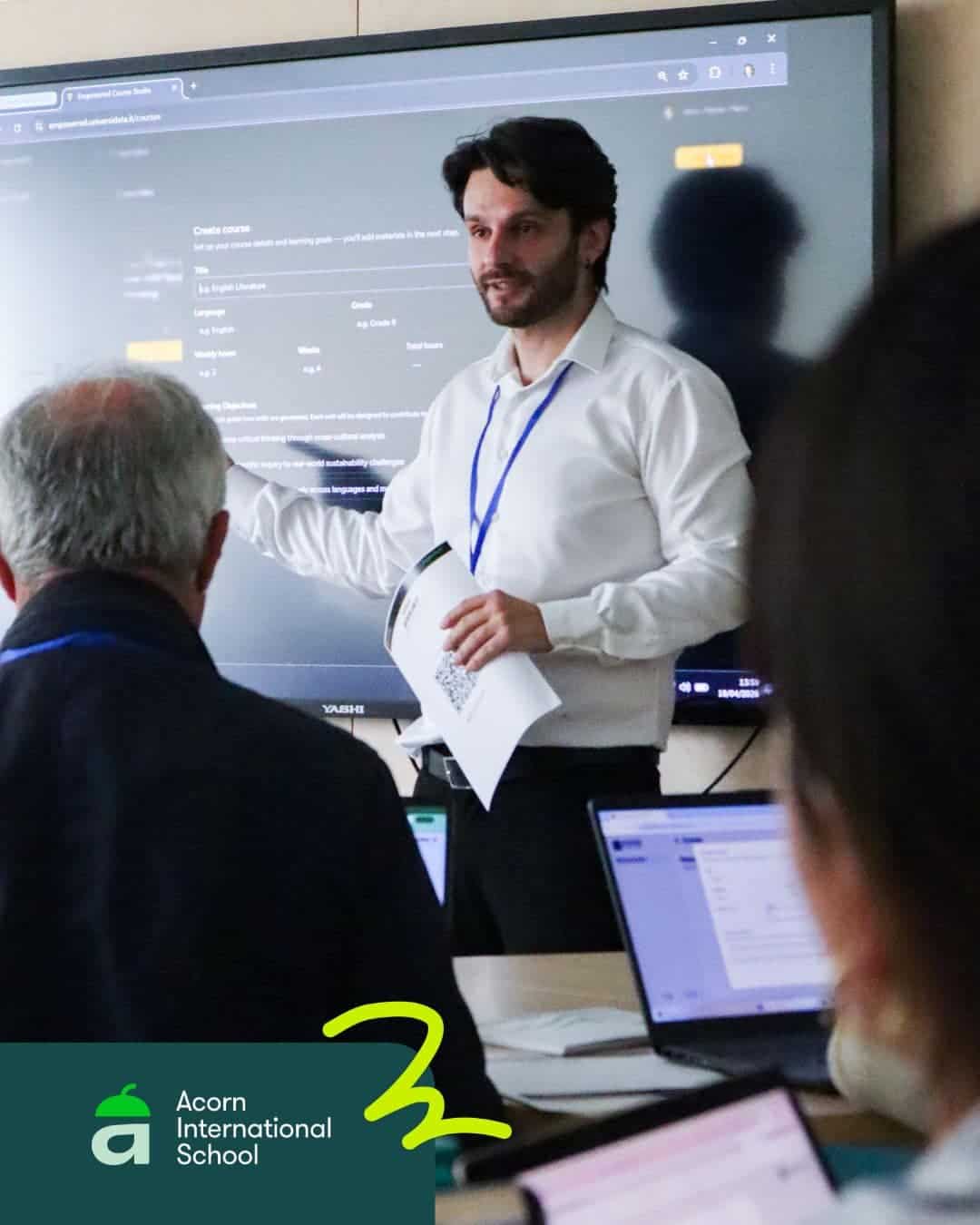
Throughout the sessions, AI was explored both as an operational tool and as a catalyst for transforming the learning experience.
On one hand, it enables greater efficiency in lesson planning, assessment, and time management. On the other, it opens new possibilities for personalized learning and more inclusive classrooms.
At the same time, a shared perspective clearly emerged: the effectiveness of AI depends entirely on the pedagogical framework in which it is embedded. Without a strong foundation, there is a risk of oversimplifying learning rather than enriching it.
The risk of “cognitive debt”
One of the central themes of the summit was the concept of “cognitive debt”: the gradual loss of analytical capacity, memory, and deep understanding when thinking processes are excessively outsourced to technology.
In an age of instant answers, the role of schools becomes even more critical—not just to deliver content, but to train students to think independently, argue effectively, and construct knowledge.
A clear direction for the future
The AIBWSI AI Summit highlighted a shared direction among participating schools: the future of education will not be defined by technology alone, but by the pedagogical choices that guide its use.
At Acorn, this direction is clear. In a world increasingly driven by speed and simplification, we choose to preserve depth, complexity, and cognitive effort as essential elements of learning.
Because knowing how to use artificial intelligence is not enough—our students must be able to lead it.