Following the recent visit of Catherine, Princess of Wales to Reggio Emilia, international attention has once again turned to the Reggio Emilia Approach, one of Italy’s most recognised educational models worldwide.
Developed after World War II by educator Loris Malaguzzi, this educational philosophy is internationally known for its child-centred vision, experiential learning, creativity, and the importance of listening and relationships in early education.
Today, more and more international schools are embracing this philosophy in response to growing demand from families seeking educational pathways that go beyond traditional academic learning.
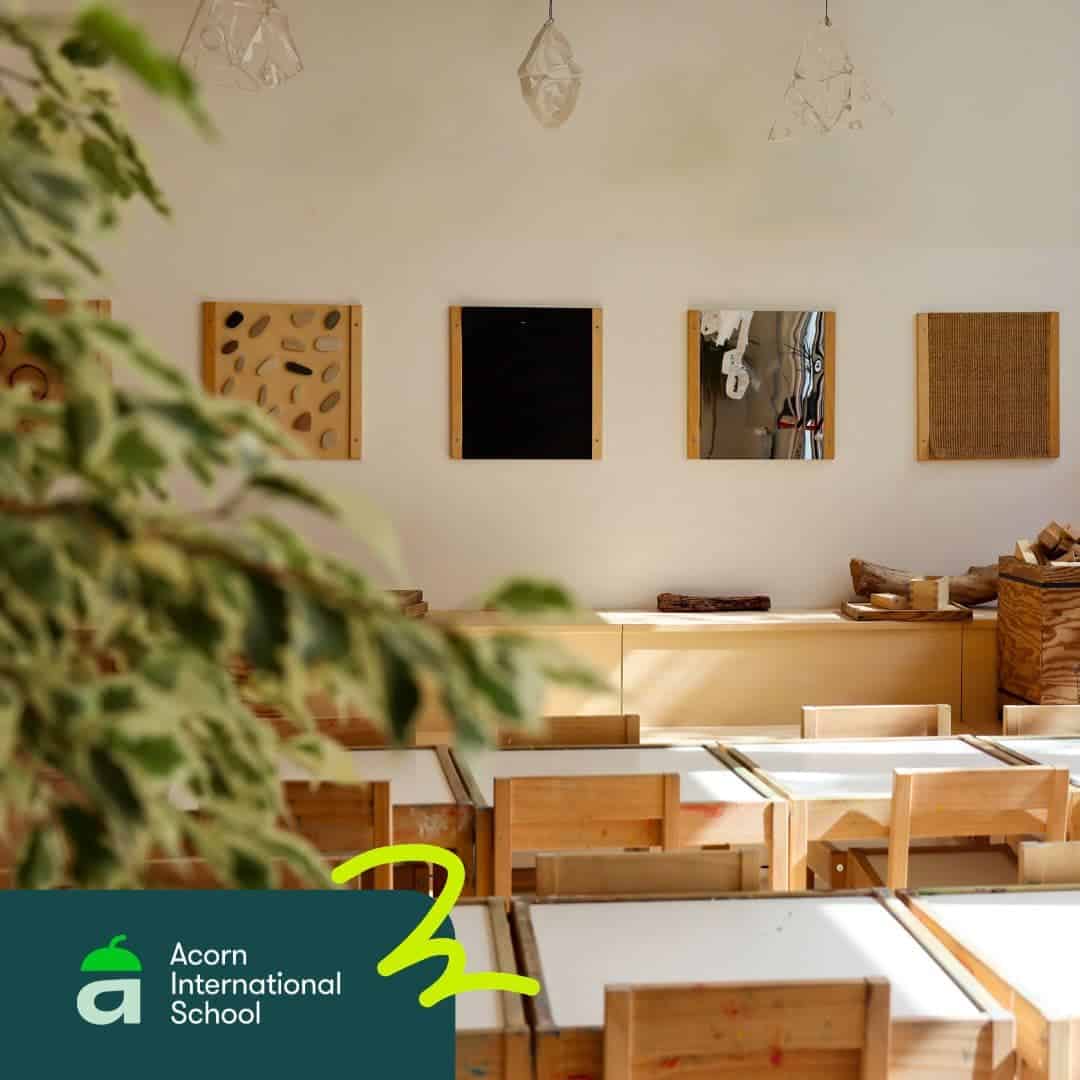
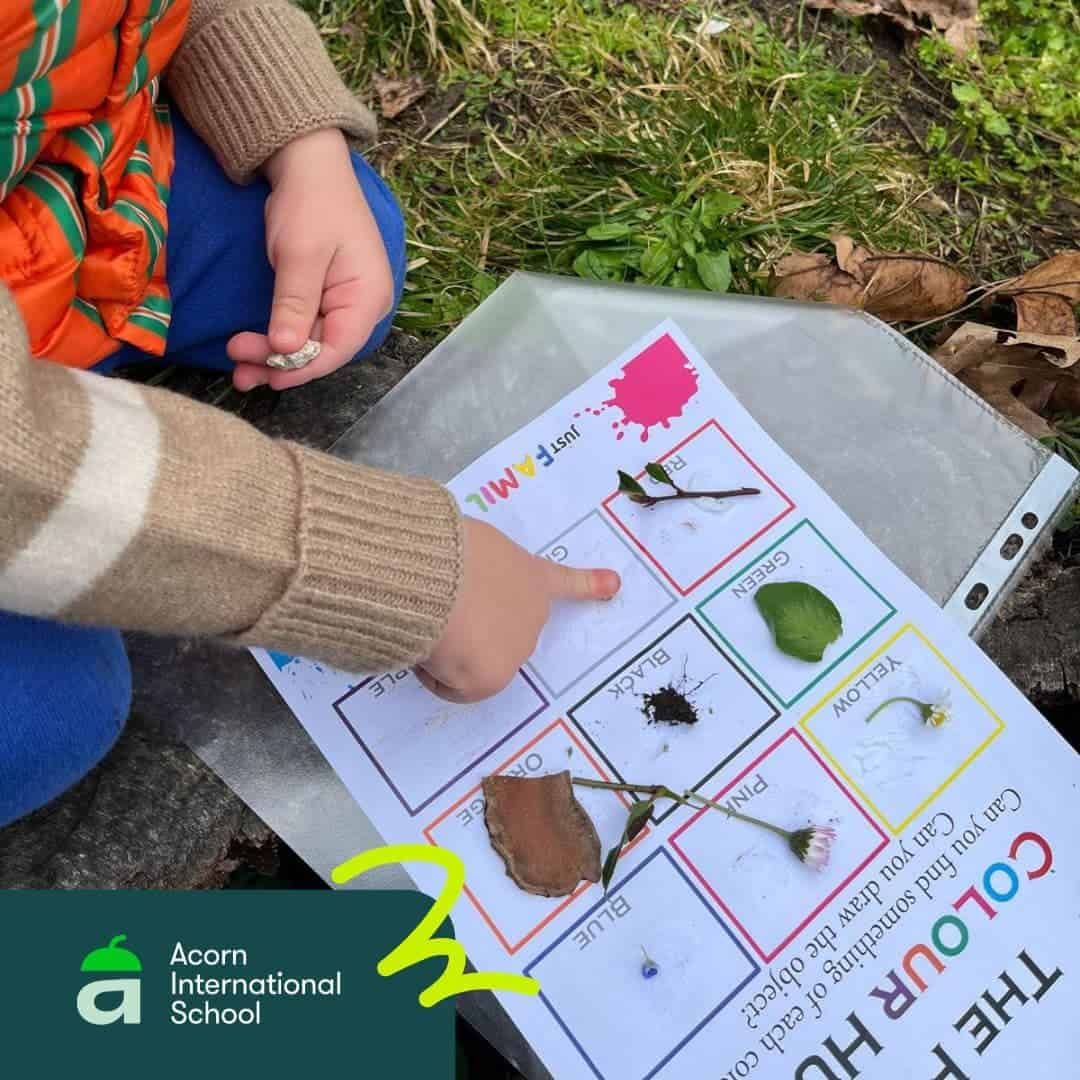
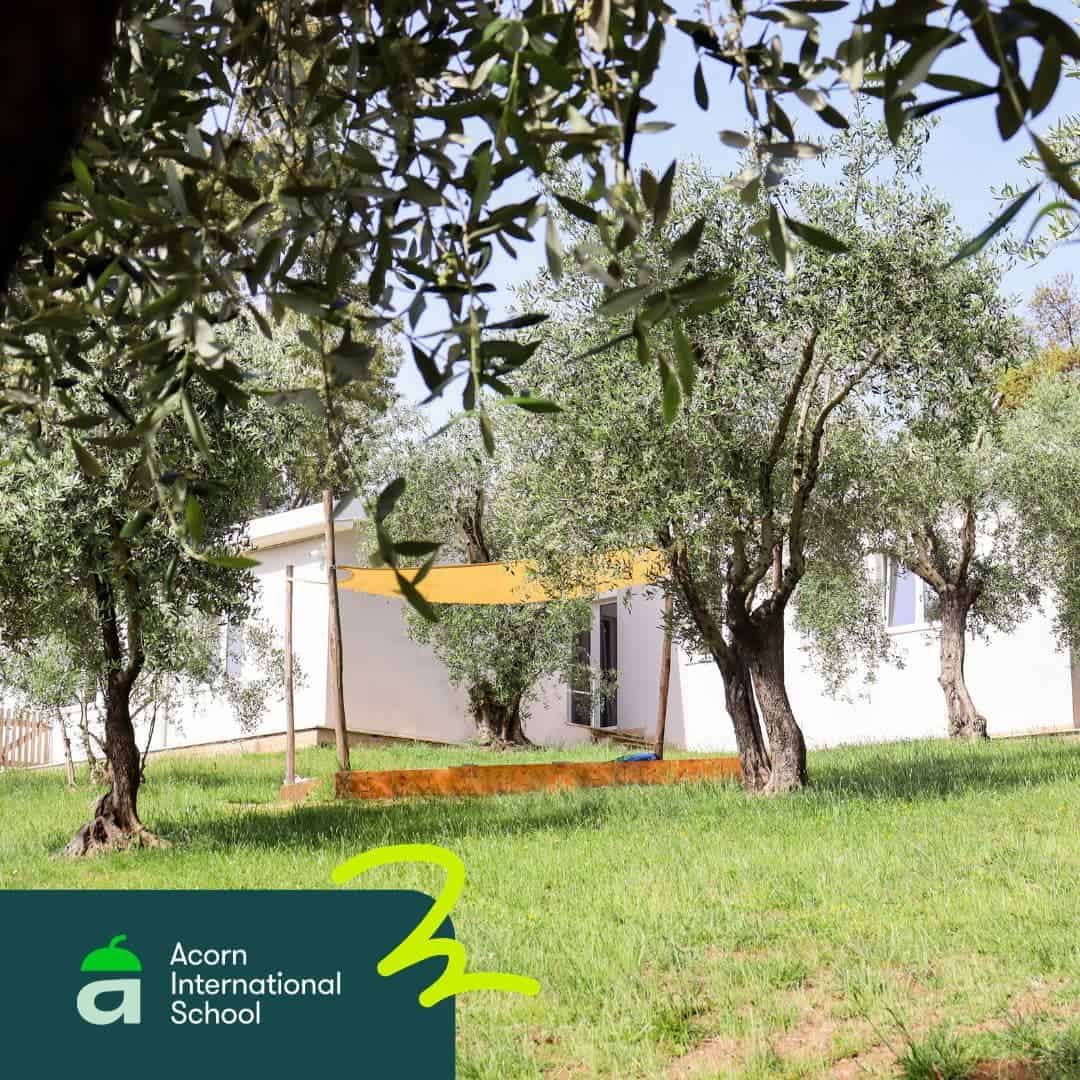
Acorn International School, a bilingual international school in Rome, adopts the Reggio Inspired Approach within its educational programme, particularly in the Early Years. The school features dedicated ateliers and carefully designed learning environments created to encourage exploration, creativity, independence, and hands-on learning experiences.
One of the key principles of the Reggio philosophy is the idea of the environment as the “third teacher” — spaces intentionally designed to inspire curiosity, collaboration, research, and active participation. Classrooms and educational spaces therefore become an integral part of the learning journey, supporting self-expression, discovery, and critical thinking from an early age.
Within an international and bilingual environment, the Reggio Inspired Approach helps nurture not only students’ academic growth, but also their emotional, relational, and creative development.
There is extraordinary potential in every child.
At Acorn, we provide the space, time, and care for it to grow.