


The continent provides professional opportunities to expatriates whose skills and diplomas are highly valued and sought-after, especially in the petroleum and construction sectors.
Compare International Schools in Africa
The comparison table highlights the most relevant schools. The full list is available below. Click on column headers to sort.
| School | City | Type | Curriculum | Ages | Tuition |
|---|---|---|---|---|---|
The Aga Khan Academy Mombasa School
|
Mombasa | Boarding School | IB Curriculum | 6–19 | KES 500,000–3,058,000 |
|
International School of Uganda
|
Kampala | International School | IB Curriculum | 2–19 | $6,200–32,000 |
|
Kearsney College
|
Durban | Boarding School | South African Curriculum, IEB Curriculum | 14–19 | $13,412–21,348 |
|
Luanda International School
|
Angola | International School | IB Curriculum, IB Diploma Programme | 3–18 | $28,220–64,260 |
| Brookhouse School | Nairobi | Boarding School | British Curriculum | 2–18 | $2,580–32,000 |
| King’s School The Crown | 6th of October City | International School | British Curriculum | 1–18 | EGP 253,000–345,000 |
| Khalil Gibran School Rabat | Rabat | International School | Cambridge Curriculum, Moroccan Curriculum | 3–18 | MAD 39,500–46,000 |
Top International Schools in Africa
Filters
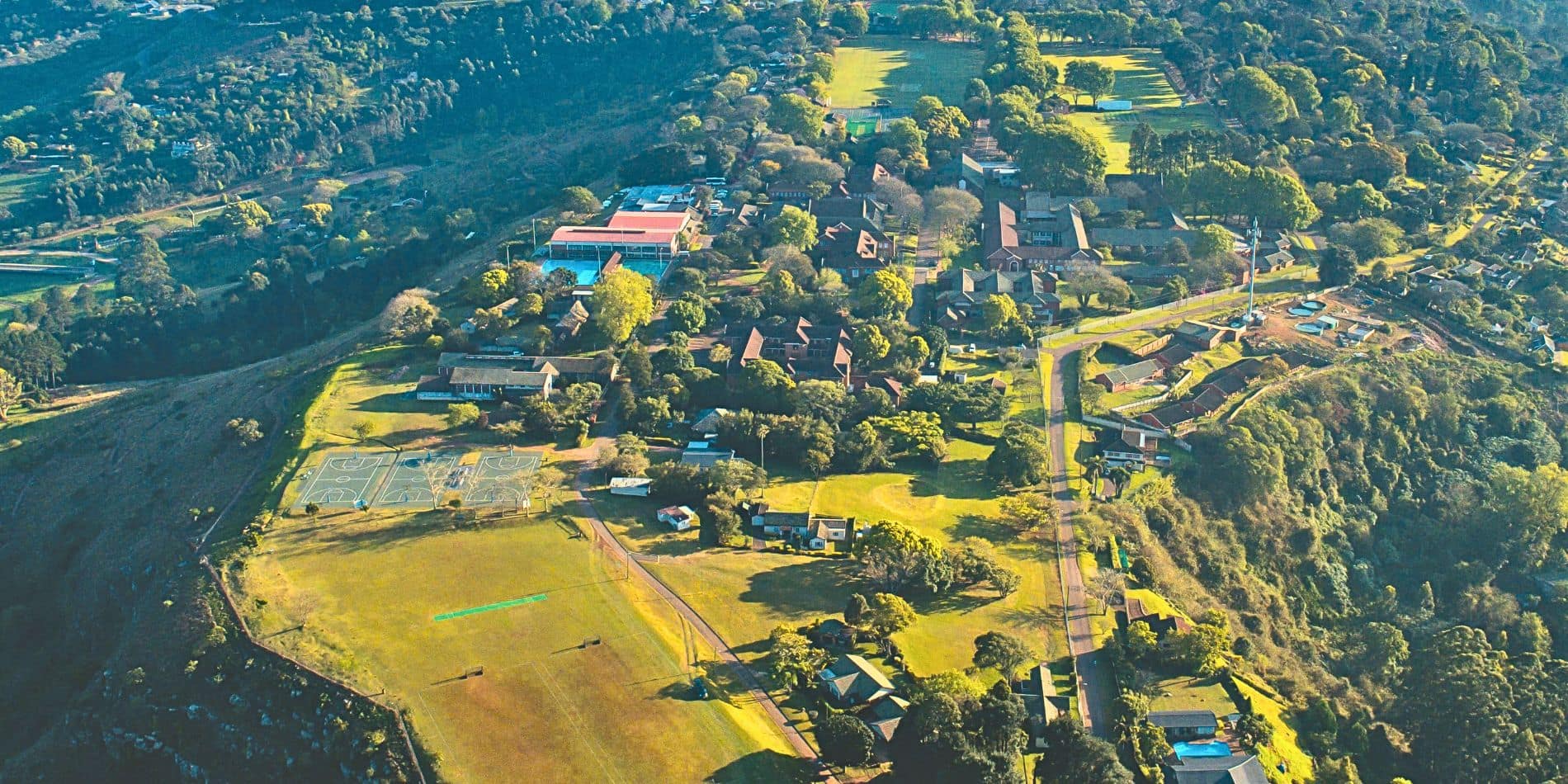

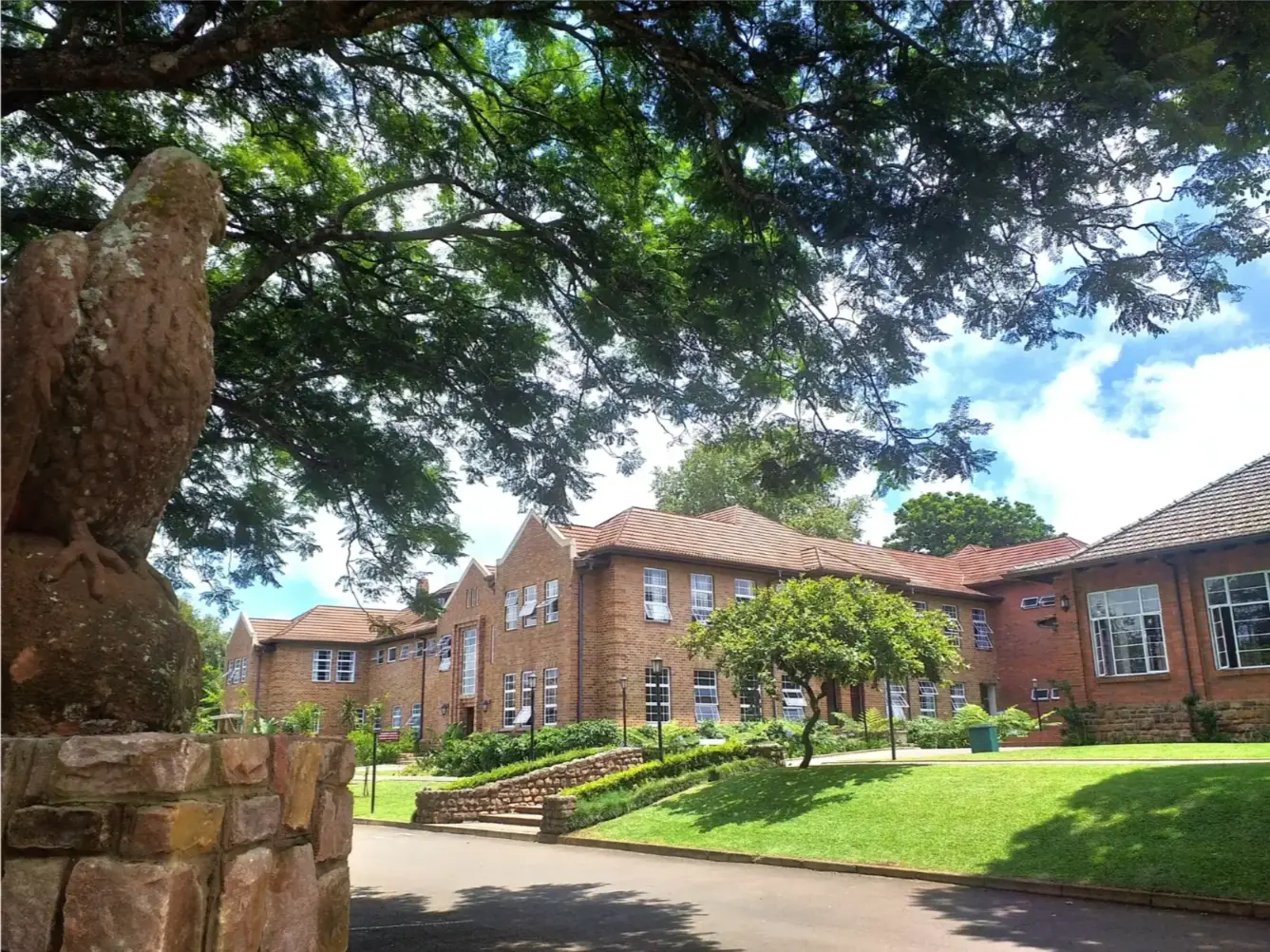
Kearsney College
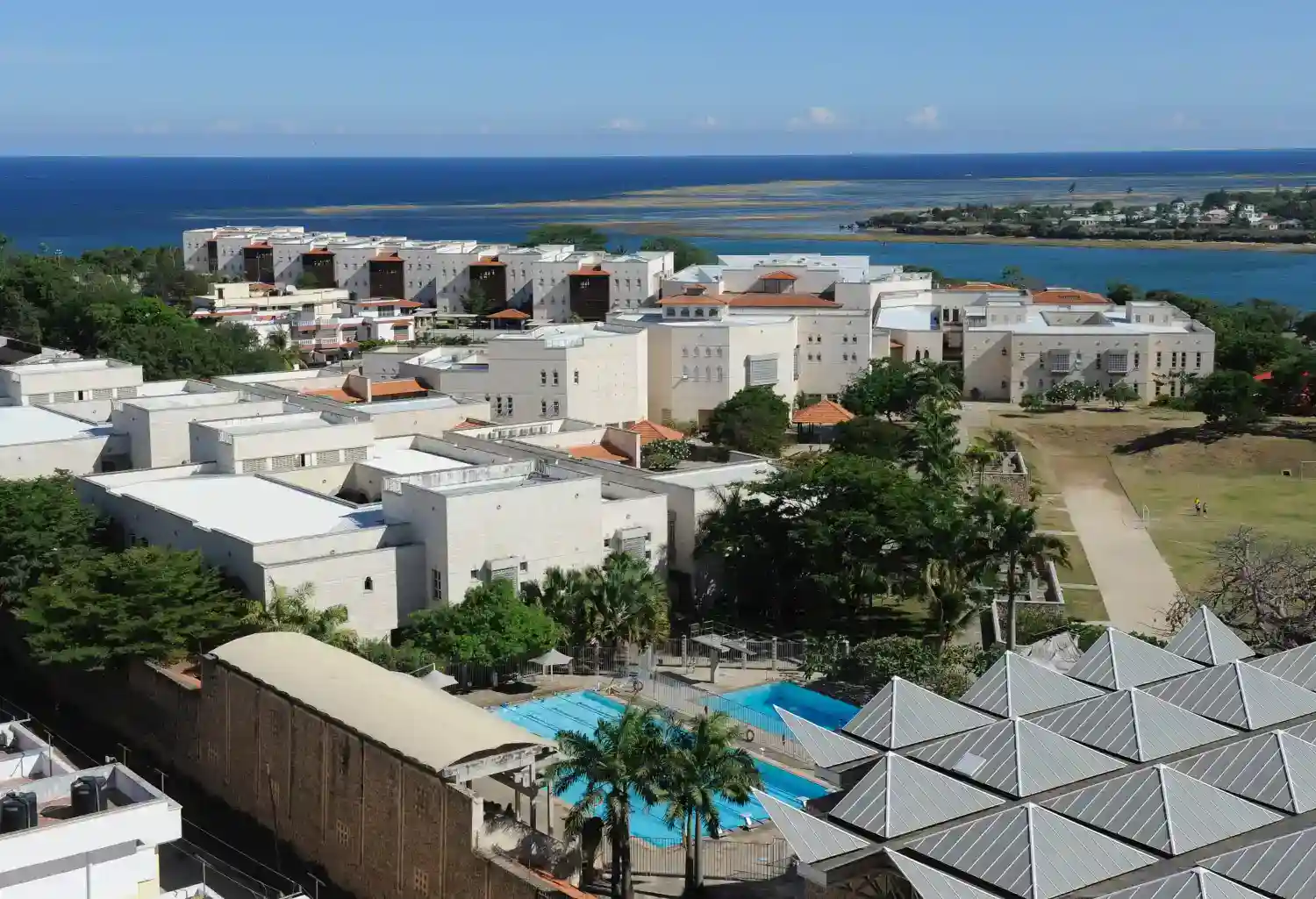
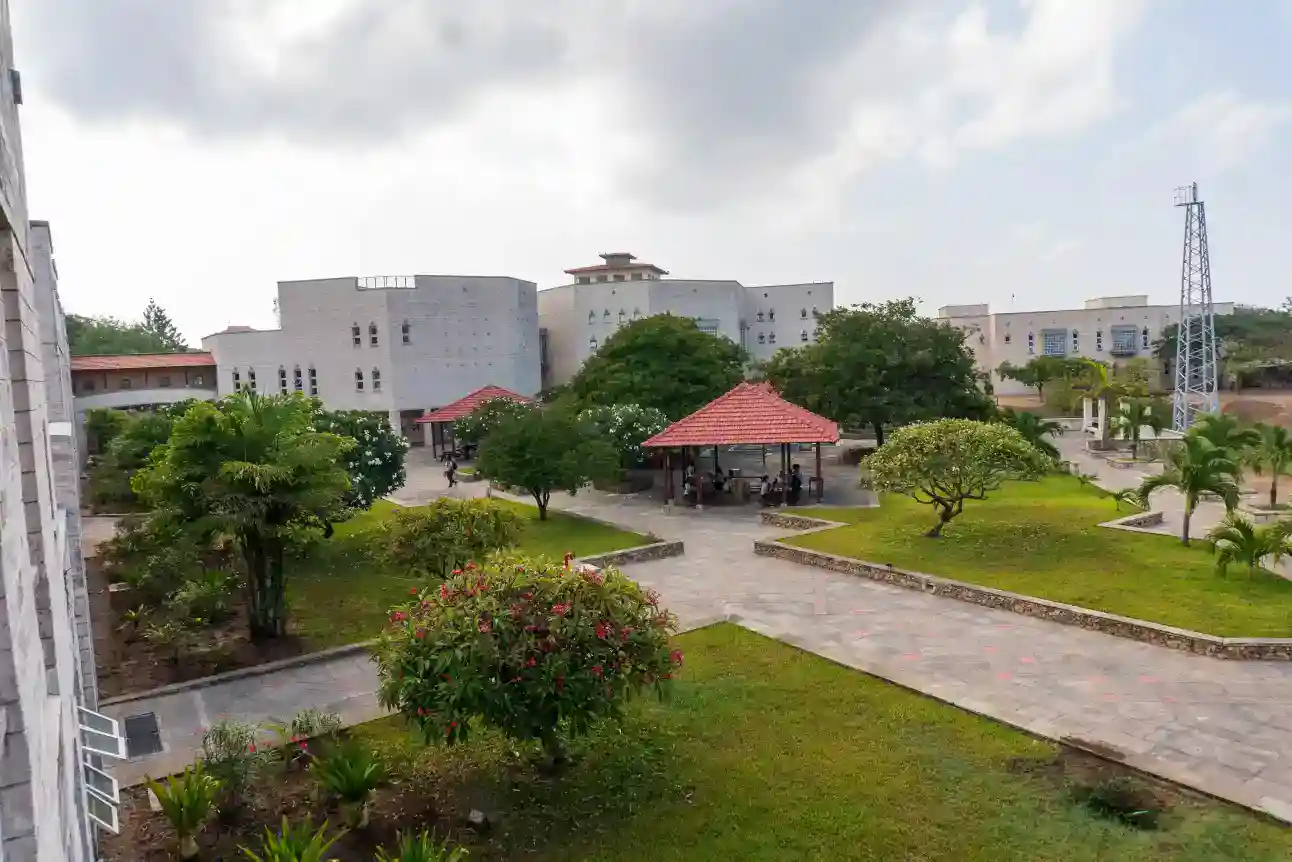
The Aga Khan Academy Mombasa School
 IB Curriculum
🗣️ English 👥 600 🌍 14+ nations
IB Curriculum
🗣️ English 👥 600 🌍 14+ nations  (3 reviews)

Luanda International School
IB Curriculum
IB Diploma Programme
🗣️ English 👥 610 🌍 50+ nations 


International School of Uganda
IB Curriculum
🗣️ English 👥 530 🌍 50+ nations 
King’s School The Crown
 British Curriculum
🗣️ English
British Curriculum
🗣️ English 
Khalil Gibran School Rabat
Brookhouse School
British Curriculum
🗣️ English 👥 1,000 Why Choose International Schools in Africa
Choosing an international school in Africa offers globally recognized curricula, exposure to diverse cultures, and extensive language learning opportunities. These schools prepare students for global higher education and foster essential skills like open-mindedness and adaptability, making them competitive future global citizens.
Global Curriculum Standards
One of the primary advantages of enrolling in an international school in Africa is the adherence to global curriculum standards. These schools are committed to maintaining high educational quality that aligns with international best practices. This means that students can enjoy the benefits of a curriculum that prepares them for global higher education opportunities and a competitive edge in the global job market.
Cultural Diversity
International schools in Africa are melting pots of cultural diversity. Students from different nationalities bring unique perspectives and experiences, enriching the learning environment. This exposure to diverse cultures fosters open-mindedness and adaptability among students, skills that are highly valued in today’s globalized world. Moreover, the interaction with various cultures right from a young age prepares students for a more inclusive worldview, essential in our interconnected global community.
Language Opportunities
Most international schools in Africa offer multiple language courses, including French, Spanish, Mandarin, and sometimes local languages such as Swahili or Amharic. Learning languages in such a diverse linguistic environment not only enhances cognitive and social abilities but also improves future career prospects in a world where multilingualism is increasingly prized.
Extracurricular and Personal Development
Beyond academics, international schools in Africa place a significant emphasis on extracurricular activities and personal development. Sports, arts, music, and various clubs and societies allow students to explore and develop their interests and talents. This holistic approach to education helps in nurturing well-rounded individuals equipped with the skills needed to navigate complex challenges.
In conclusion, choosing an international school in Africa can provide your child with an excellent education that combines international academic standards with a rich exposure to diverse cultures and languages. The experience gained from studying in such an environment is invaluable, shaping students into global citizens who are culturally sensitive and academically competitive.
How much does it cost to attend International Schools in Africa?
The yearly tuition fees for international schools in Africa generally range from $3,000 to $20,000 per year. This cost can vary based on factors like the curriculum, campus facilities, and services offered — with some top-tier schools exceeding $30,000 annually.
| Category | Low Range | High Range |
|---|---|---|
| Annual Tuition | $3,000 | $20,000 |
| Monthly Equivalent | $250 | — |
| Registration Fee (one-time) | $100 | $500 |
| School Trips | $200 | $1,000 |
| Total Estimated Annual Cost | $3,400 | $21,800 |
Note: Costs shown are estimates based on available data. Contact schools directly for current fee structures. Additional costs may include transportation, meals, extracurricular activities, and exam fees.
Frequently Asked Questions
There are currently 7 international schools in Africa. These schools offer curricula including British, IB Curriculum, Cambridge Curriculum, IB Diploma Programme. Our directory is regularly updated.
Annual tuition fees for international schools in Africa typically range from $3,400 to $21,800 per year. We recommend contacting schools directly for detailed fee structures and scholarship opportunities.
International Schools in Africa offer curricula including British, IB Curriculum, Cambridge Curriculum, IB Diploma Programme, IEB Curriculum. The IB programme offers a globally recognized diploma. British schools typically offer IGCSEs and A-Levels.
When selecting an international school in Africa, consider:
- Accreditation: Look for CIS, NEASC, or similar recognition
- Curriculum: Match to your family's mobility plans
- Language support: ESL/EAL programs if needed
- Community: Diversity of student body
- Transition support: Important for expat families
Use our school profiles and comparison tools to make an informed decision.
International Schools in Africa accept students from 1 to 19 years old. This covers early years through high school, with each school having specific grade levels. Use our age filters to find schools matching your child's specific needs.
The admission process typically includes:
- Application: Submit forms and required documents
- Academic records: Transcripts and recommendations
- Assessment: Entrance tests or interviews may be required
- School visit: Tours and meetings with admissions
Contact schools directly for specific requirements and deadlines.