For families joining an international school, one of the biggest concerns is often language. How quickly will my child learn English? Will they keep their home language? And how can we support them along the way?
At The British International School Abu Dhabi (BIS Abu Dhabi), we welcome students from more than 90 nationalities and see first-hand how children can thrive while learning English as an Additional Language (EAL). Every year, students join our community speaking a wide range of languages, and many successfully become confident bilingual or multilingual learners.
Why bilingualism is a strength
Many parents worry that speaking multiple languages may confuse children or slow down their English development. In reality, research shows that maintaining a child’s first language supports overall language development and cognitive growth.
A child’s home language is much more than a means of communication. It helps them express emotions, connect with family members, understand their culture, and build strong foundations for future learning. When children continue to develop their first language while learning English, they gain valuable skills that can benefit them throughout their lives.
Should parents switch to English at home?
This is one of the most common questions we hear.
The answer is usually no.
Parents should continue speaking the language they are most comfortable using. Rich conversations, storytelling, family traditions, and everyday interactions in a child’s home language provide far more benefit than limited conversations in a less familiar language.
Children create strong language associations through meaningful interactions. Maintaining your home language helps preserve those connections while allowing English to develop naturally through school and wider social experiences.
Simple ways to support English learning at home
Parents do not need to be language experts to help their children learn English.
A few simple strategies can make a significant difference:
- Read books in both your home language and English.
- Encourage playdates or social opportunities with English-speaking children.
- Listen to songs and watch age-appropriate films in English.
- Use games and everyday activities to introduce new vocabulary.
- Celebrate communication rather than focusing on perfect grammar.
For younger children, learning through movement can be particularly effective. Activities such as following simple instructions like “stand up”, “touch your nose”, or “find something blue” help develop listening skills and vocabulary in a fun and low-pressure way.
Be patient with the process
Learning a new language takes time.
Many children experience a “silent period” when they are listening and absorbing English before feeling confident enough to speak. This is a normal stage of language acquisition and should not be viewed as a cause for concern.
Rather than correcting every mistake, focus on encouraging your child to communicate. Confidence is often one of the most important ingredients in successful language learning.
How international schools support EAL learners
At BIS Abu Dhabi, we recognise that learning English is about much more than vocabulary and grammar. Children are simultaneously learning new academic content, building friendships, and adapting to a new environment.
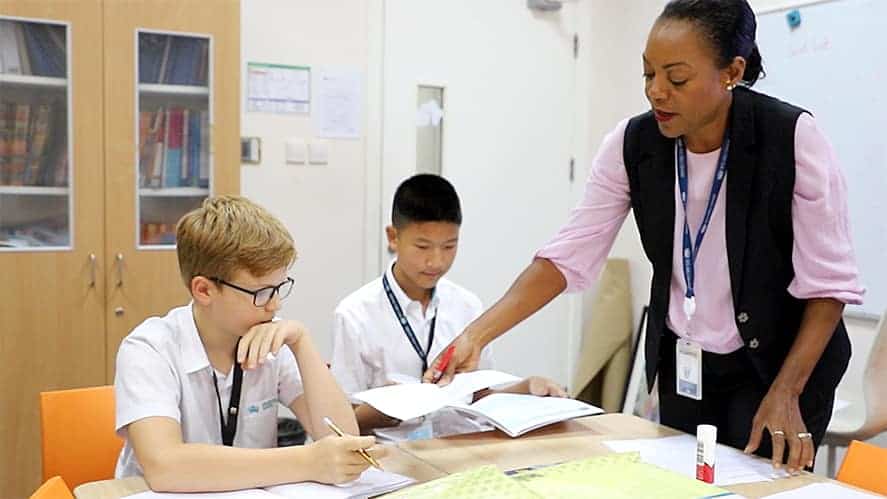
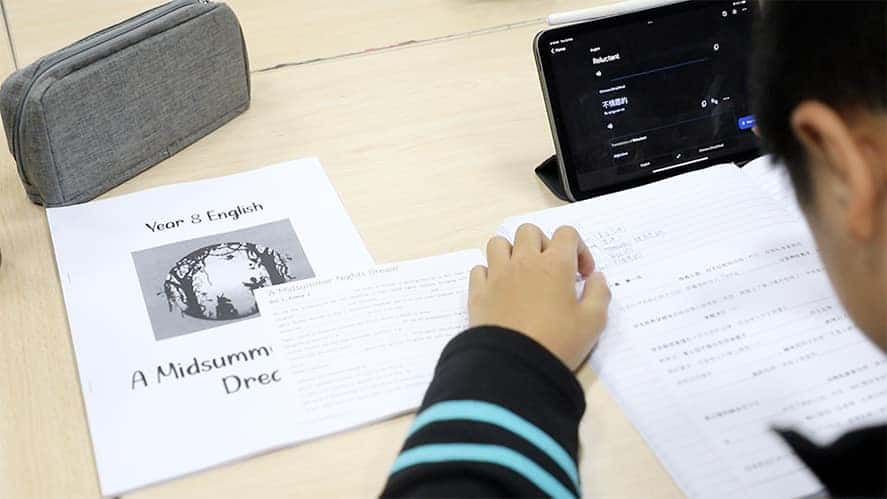
To support this journey, we offer our Supported EAL Learner (SEALL) Pathway, providing targeted support for students who are developing their English proficiency. Depending on individual needs, support may include specialist teaching, in-class assistance, small-group interventions, tailored resources, and opportunities to develop confidence in English while remaining fully involved in school life.
The aim is not simply to teach English, but to help students access the curriculum, participate confidently in lessons, and feel a strong sense of belonging within the school community.
A partnership between home and school
The most successful language-learning journeys happen when schools and families work together.
When parents continue to nurture their child’s home language and schools provide structured English-language support, children benefit from the best of both worlds. They build confidence in English while maintaining the linguistic and cultural identity that makes them unique.
Looking ahead
In today’s global world, bilingualism and multilingualism are powerful advantages. Children who can communicate across languages and cultures are developing skills that will support their future education, careers, and relationships.
For families joining an international school, learning English may seem like a significant challenge at first. With patience, encouragement, and the right support, however, it can become an opportunity, opening doors to new friendships, new experiences, and lifelong success.