

How Schools and Parents Can Work Together to Support Children’s Wellbeing
Children grow up between two worlds that are deeply connected: home and school. In both, they learn how to build relationships, respond to challenges and understand themselves and others. Yet helping them navigate technology, friendships, mistakes and the pressures of growing up can leave parents and educators facing many of the same questions.
How can we help children become more independent without leaving them to face difficulties alone? How should we respond when disagreements turn into conflict? And how can we create an environment in which children feel supported, understood and confident enough to learn from their experiences?
These questions remind us that education extends far beyond the classroom. While schools and families have different roles, they share an important responsibility: supporting children’s development, learning and wellbeing.
Why the Partnership Between School and Family Matters
Children’s experiences at home and at school influence one another. The values they encounter, the relationships they build and the ways adults respond to challenges all contribute to their understanding of the world.
A strong partnership between parents and educators does not require everyone to have the same opinions. It requires open communication, mutual respect and a willingness to understand different perspectives.
Parents bring valuable knowledge of their children’s personalities, interests and experiences beyond school. Educators contribute their professional expertise and their understanding of children’s learning and social development. When these perspectives come together, adults can gain a fuller picture of a child’s needs and consider how best to support them.
This relationship is particularly important when children encounter difficulties. Consistent communication can help parents and teachers recognise concerns, share observations and approach challenges thoughtfully, rather than allowing misunderstandings to grow.
Ultimately, collaboration is not about finding a perfect solution to every situation. It is about creating the conditions in which children feel supported by the adults around them.
Turning Everyday Challenges into Learning Opportunities
Many of the questions that matter most in childhood arise in everyday situations rather than formal lessons.
Technology is one example. Digital environments are an increasingly significant part of young people’s lives, bringing opportunities as well as questions about boundaries, relationships and responsible behaviour. Supporting children means going beyond rules to encourage conversations that help them make thoughtful choices.
Relationships present another challenge. Disagreements are a normal part of growing up, but children also need help understanding when conflict becomes aggression or bullying. Recognising these differences can help adults respond appropriately and encourage respect, empathy and healthy peer relationships.
Mistakes, too, can play an important role in learning. When children are supported in reflecting on setbacks and frustration, they have opportunities to develop resilience, confidence and independence. Rather than treating every mistake as something to avoid, adults can help children understand what happened and consider what they might do differently next time.
Communication becomes especially important as children approach adolescence. Their needs change, their independence grows and conversations can become more complex. Listening carefully, establishing appropriate boundaries and creating space for honest dialogue can help maintain meaningful connections during these years.
None of these challenges has a universal answer. Every child and family is different. However, sharing experiences, asking questions and learning from different perspectives can help adults approach these situations with greater awareness.
Creating Space for Parents to Learn and Connect
Recognising the importance of family involvement is one step. Creating meaningful opportunities for it is another.
This is the thinking behind iParent Labs 2026/27, an initiative by Ingenium Education Group for families at Acorn International School. The programme brings educational and parenting topics into a dedicated space for discussion, reflection and practical learning.
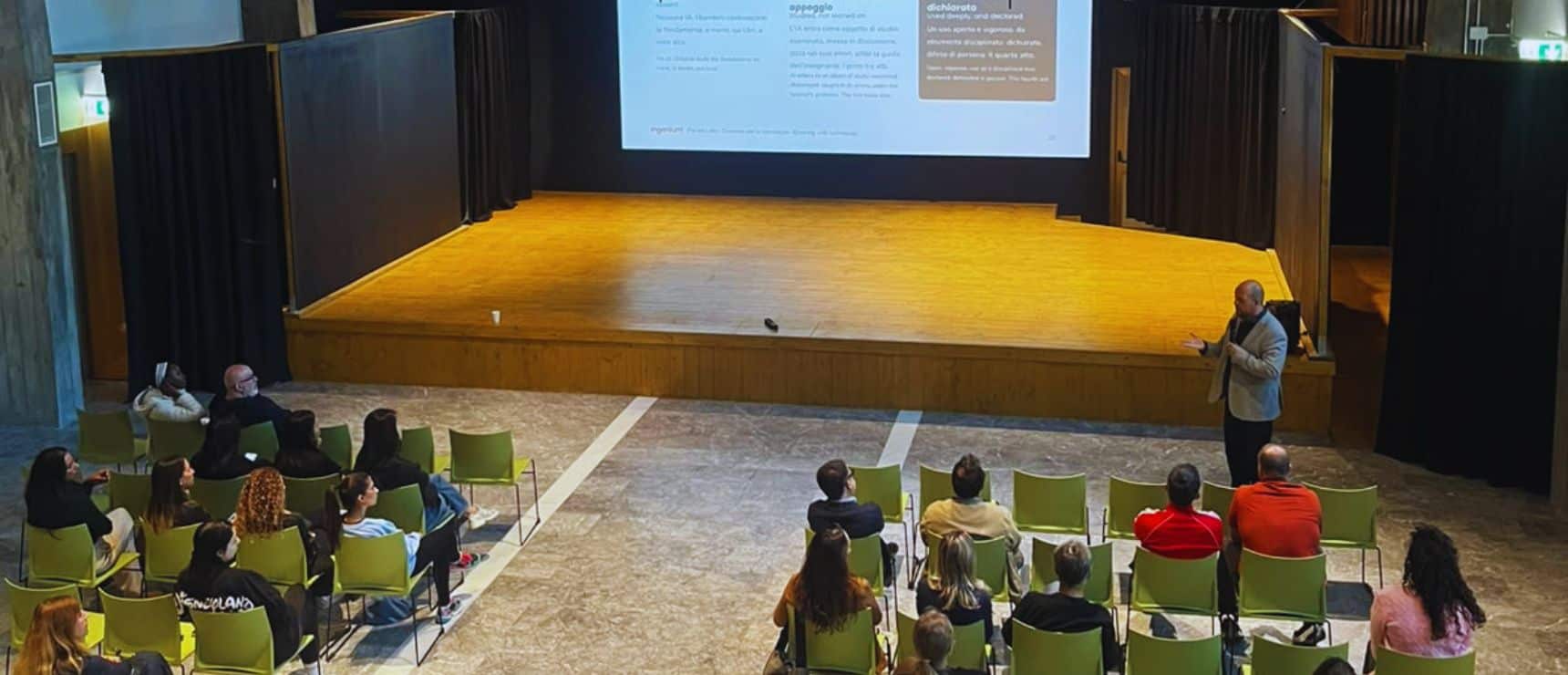
Held in person at the school auditorium on Tuesdays at 8:30 am, the sessions are designed to support parents as they navigate the opportunities and challenges of raising children in today’s world. Each Lab offers practical tools, meaningful conversations and expert insights on educational and wellbeing topics.
The programme addresses issues that families may encounter at different stages of their children’s development. Growing with Technology explores how technological development and human skills can grow together, while Learning Styles considers the different ways children learn.
Other sessions focus on the role of mistakes in developing resilience and autonomy, building respectful relationships and setting boundaries, understanding the difference between conflict and bullying, and fostering kindness, empathy and healthy relationships. The programme also includes a session on communicating with pre-teens and adolescents, exploring strategies for maintaining positive and authentic dialogue as children grow.
By bringing these topics into a shared setting, iParent Labs creates opportunities for parents to explore questions that are often part of everyday family life, exchange perspectives and consider practical approaches to common challenges.
From Shared Conversations to a Stronger School Community
A connected school community is built over time. It develops through listening, trust and opportunities for families and educators to understand one another.
For parents, engaging with educational topics and other families can introduce new perspectives and ideas to reflect on at home. For schools, creating space for dialogue helps strengthen relationships with families and supports a more connected educational environment.
Children remain at the heart of this partnership. When the adults around them make an effort to communicate, understand their experiences and respond thoughtfully to their needs, they help create a foundation for learning and wellbeing.
There will never be a single conversation that answers every question about growing up. Nor is there one approach that works for every child. What matters is the willingness to keep asking questions, sharing experiences and learning together.
Through iParent Labs 2026/27, Acorn International School offers its families an opportunity to take part in this ongoing conversation, exploring the educational and wellbeing questions that shape children’s lives today.
Because supporting children as they grow is not the responsibility of one person or one place. It is a shared journey, built through relationships, understanding and a commitment to helping every child develop their potential.
