


In this article, we will provide you with all the essential information you need to know about the best boarding schools in South Korea, including tuition fees, curriculum, facilities, location, and reviews. Discover why a boarding school education in South Korea may be the right choice for your child.
Compare Boarding Schools in South Korea
The comparison table highlights the most relevant schools. The full list is available below. Click on column headers to sort.
| School | City | Type | Curriculum | Ages | Tuition |
|---|---|---|---|---|---|
Taejon Christian International School
|
Daejeon | Boarding School | American Curriculum, IB Curriculum | 4–19 | From $40,000 |
|
Branksome Hall Asia
|
Seogwipo City | Boarding School | IB Curriculum, IB Diploma Programme, IB Middle Years Programme | 3–18 | From $46,999 |
| North London Collegiate School Jeju | Seogwipo City | Boarding School | British Curriculum, IB Curriculum | 4–18 | From $35,500 |
Top Boarding Schools in South Korea
Filters
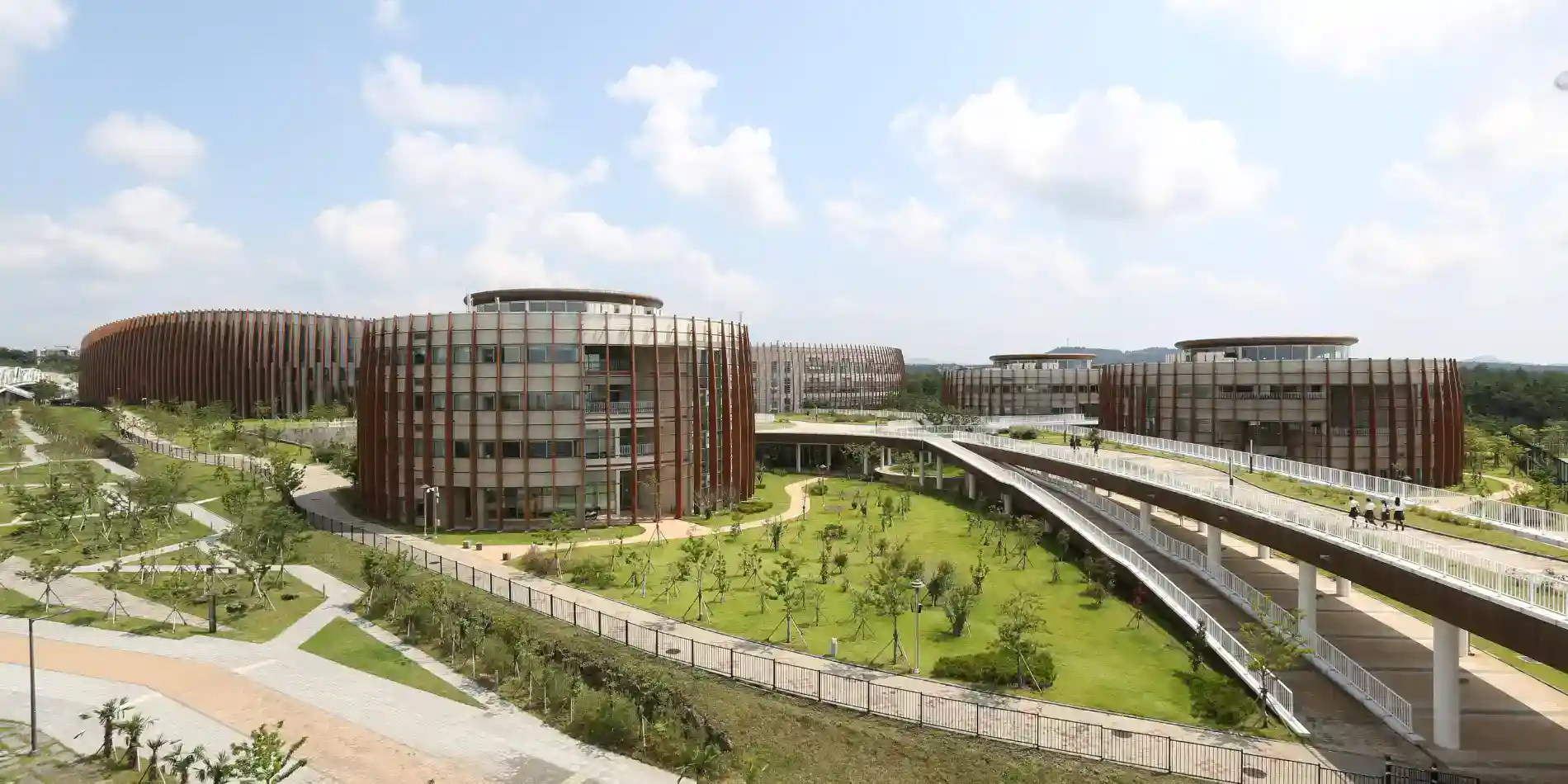
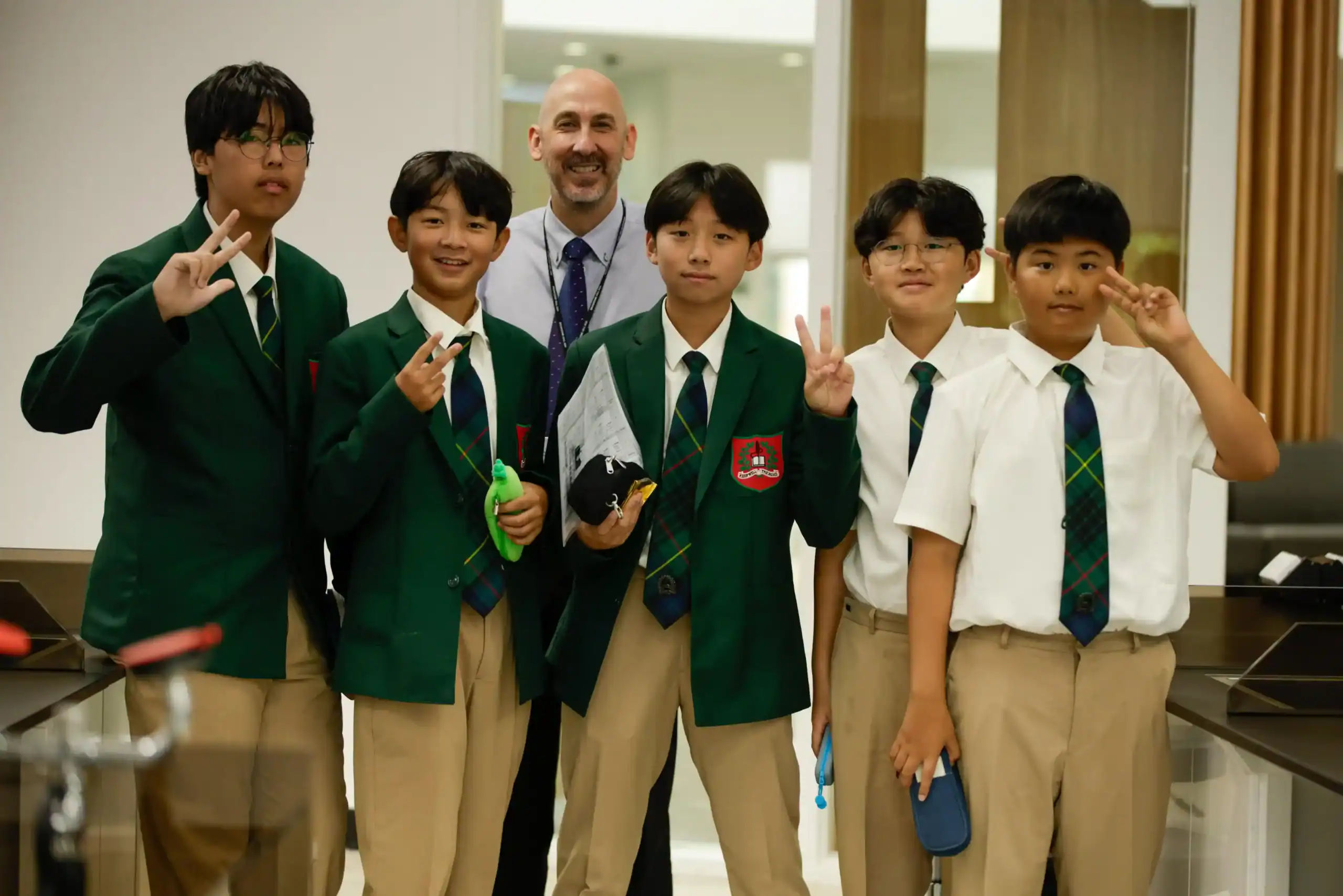
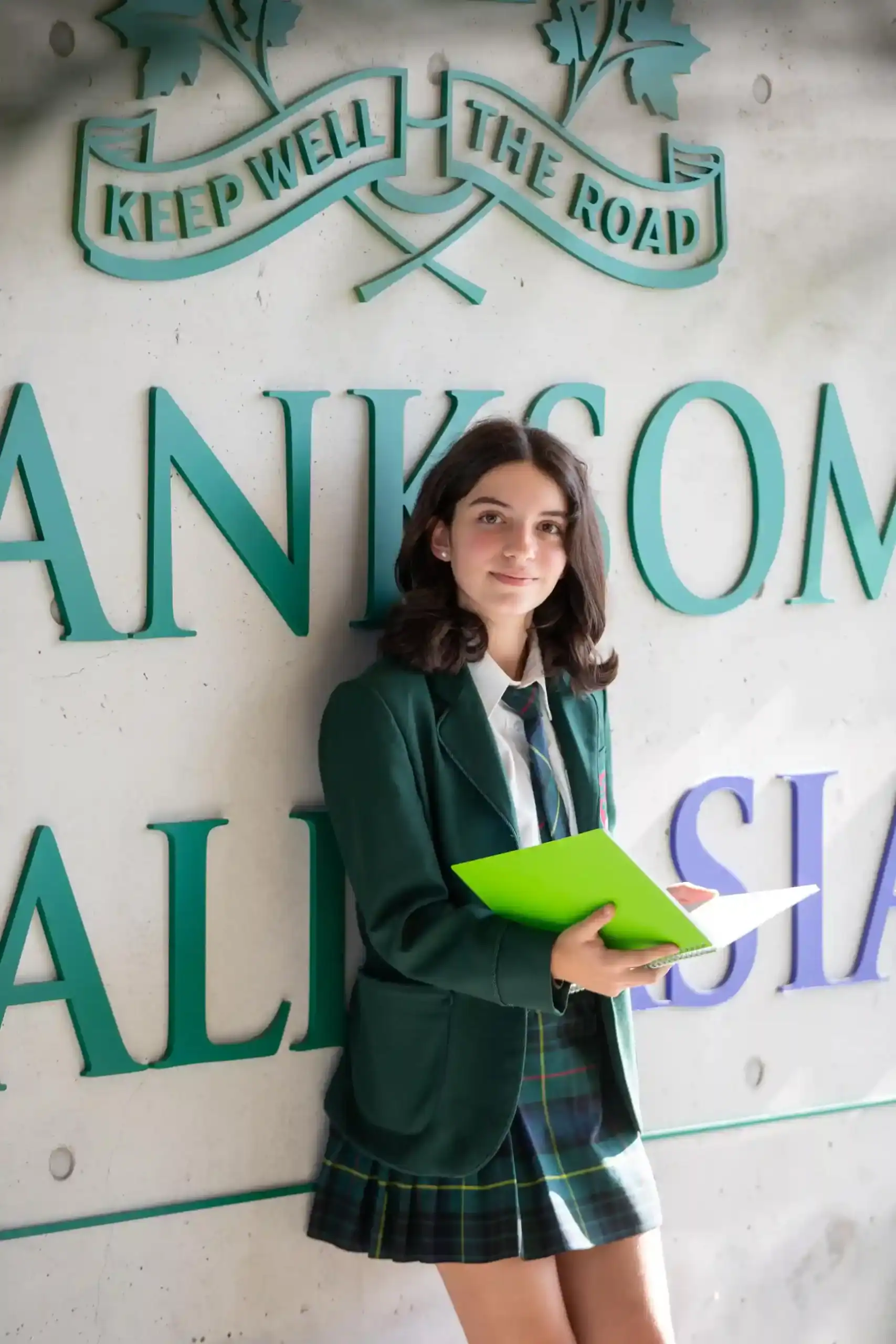

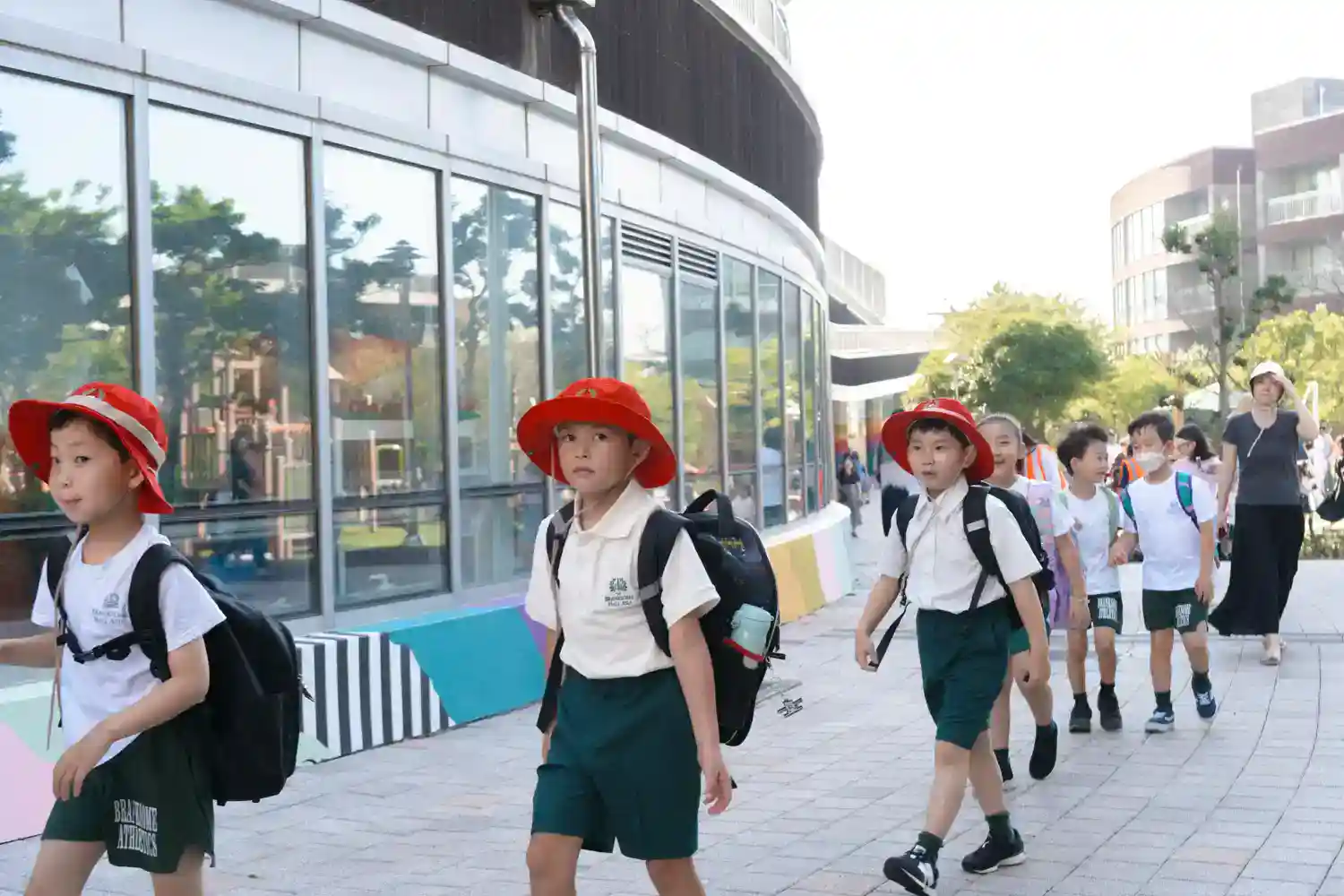
Branksome Hall Asia
 IB Curriculum
IB Diploma Programme
🗣️ English 👥 1,210 🌍 20+ nations
IB Curriculum
IB Diploma Programme
🗣️ English 👥 1,210 🌍 20+ nations 


Taejon Christian International School
 American Curriculum
IB Curriculum
🗣️ English 👥 400 🌍 22+ nations
American Curriculum
IB Curriculum
🗣️ English 👥 400 🌍 22+ nations  (1 review)
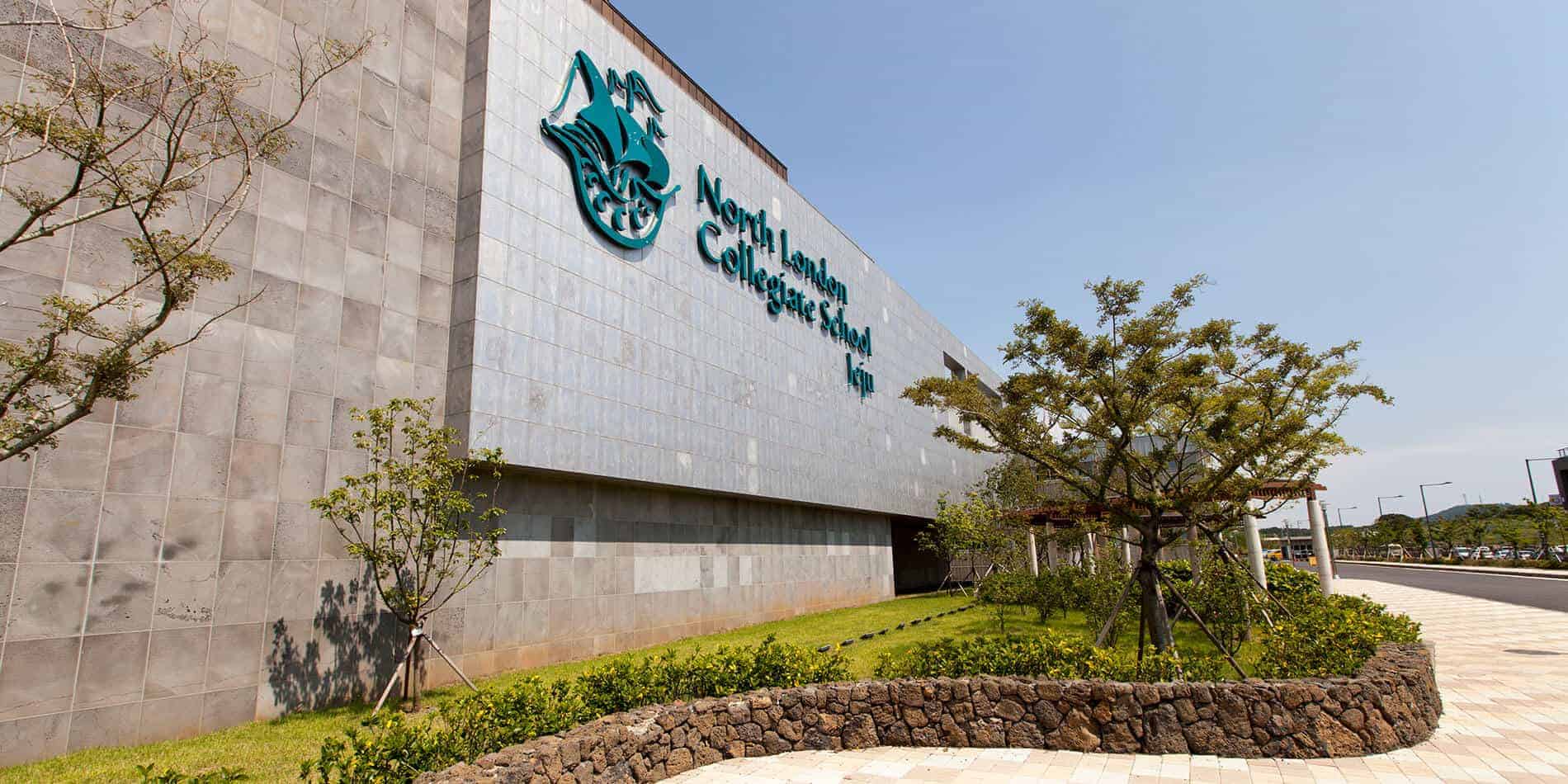
North London Collegiate School Jeju
 British Curriculum
IB Curriculum
🗣️ English 👥 1,420 🌍 18+ nations
(5 reviews)
British Curriculum
IB Curriculum
🗣️ English 👥 1,420 🌍 18+ nations
(5 reviews)
Why Choose Boarding Schools in South Korea
Boarding schools in South Korea offer a compelling mix of rigorous academics, advanced technological resources, and deep cultural immersion. These institutions provide a safe, supportive environment that prepares students for global success, enhancing both their educational outcomes and personal growth.
Academic Excellence
At the heart of South Korea's educational appeal is its unwavering commitment to academic excellence. Boarding schools in this country are well-known for their high educational standards and rigorous curriculum. Students benefit from a learning environment that emphasizes hard work, discipline, and competition. This robust educational framework not only prepares students for success in college but also in their future careers, particularly in competitive fields like technology, engineering, and business.
Technological Integration in Education
South Korea is a global leader in technology, and this extends into its educational institutions. Boarding schools here are equipped with state-of-the-art technology and resources, ensuring that students are familiar with the latest tools and methodologies. The integration of technology in the classroom enhances learning, making it more interactive and engaging, and prepares students for a world that increasingly relies on technological fluency.
Cultural Richness
Studying in South Korea offers students the unique opportunity to immerse themselves in a vibrant culture that is both ancient and modern. Beyond the classroom, students at boarding schools experience traditional Korean customs, arts, and festivals. This cultural immersion contributes to a well-rounded education, promoting understanding and appreciation of global diversity.
Language Skills
While the primary medium of instruction is English, students also have the opportunity to learn Korean, one of the most dynamic and important languages in Asia today. Proficiency in Korean not only enhances a student’s communication skills but also offers significant advantages in the global job market, especially with many multinational corporations operating within and out of South Korea.
Safe and Supportive Environment
Safety is a paramount concern for parents considering a boarding school abroad. South Korea is known for its low crime rate and stable society. Boarding schools in South Korea provide a secure environment where students can focus on their studies and personal growth, supported by experienced staff and strong peer communities.
In conclusion, choosing a boarding school in South Korea is to opt for an education that balances academic rigor with cultural exposure, technological prowess, and personal safety. It’s an environment where students are not only prepared academically but are also groomed to be global citizens, equipped with skills and experiences that span beyond textbooks and classrooms.
How much does it cost to attend Boarding Schools in South Korea?
The yearly tuition fees for boarding schools in South Korea generally range from $30,000 to $50,000 per year. This cost can vary based on factors like the curriculum, campus facilities, and services offered — with some top-tier schools exceeding $60,000 annually.
| Category | Low Range | High Range |
|---|---|---|
| Annual Tuition | $30,000 | $50,000 |
| Monthly Equivalent | $2,500 | — |
| Registration Fee (one-time) | $1,000 | $2,000 |
| School Trips | $500 | $1,000 |
| Total Estimated Annual Cost | $31,700 | $53,400 |
Note: Costs shown are estimates based on available data. Contact schools directly for current fee structures. Additional costs may include transportation, meals, extracurricular activities, and exam fees.
Frequently Asked Questions
There are currently 3 boarding schools in South Korea. These schools offer curricula including IB Curriculum, American, British, IB Diploma Programme. Our directory is regularly updated.
Annual tuition fees for boarding schools in South Korea typically range from $31,700 to $53,400 per year. This usually includes accommodation, meals, and extracurricular activities. Day student rates are typically 30-40% lower. We recommend contacting schools directly for detailed fee structures and scholarship opportunities.
Boarding Schools in South Korea offer curricula including IB Curriculum, American, British, IB Diploma Programme, IB Middle Years Programme. The IB programme offers a globally recognized diploma. British schools typically offer IGCSEs and A-Levels. American schools follow the US curriculum with AP courses.
When selecting a boarding school in South Korea, consider:
- Boarding facilities: Quality of accommodation and pastoral care
- Curriculum: Alignment with your child's future goals
- Community: Student diversity and school culture
- Location: Accessibility for family visits
- Extracurriculars: Sports, arts, and enrichment programs
Use our school profiles and comparison tools to make an informed decision.
Boarding Schools in South Korea accept students from 3 to 19 years old. This covers early years through high school, with each school having specific grade levels. Use our age filters to find schools matching your child's specific needs.
The admission process typically includes:
- Application: Submit forms and required documents
- Academic records: Transcripts and recommendations
- Assessment: Entrance tests or interviews may be required
- School visit: Tours and meetings with admissions
Contact schools directly for specific requirements and deadlines.
News & Events from Boarding Schools in South Korea
See all →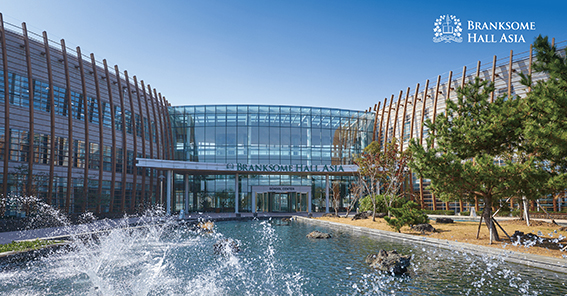
Learn the BHA Way: 2-Day Open House
Feb 10, 2026
John Palmasano, MYP Coordinator at Branksome Hall Asia: Bridging the Gap Between Education and the Real World
Oct 13, 2025
Branksome Hall Asia Partners with Killer Whales to Elevate Ice Hockey Program
Sep 4, 2025
Weaving Tradition with Technology: Branksome Hall Asia’s Innovative Collaboration with Jinny Connect
May 5, 2025
A Transformative Educational and Cultural Exchange
Mar 7, 2025