

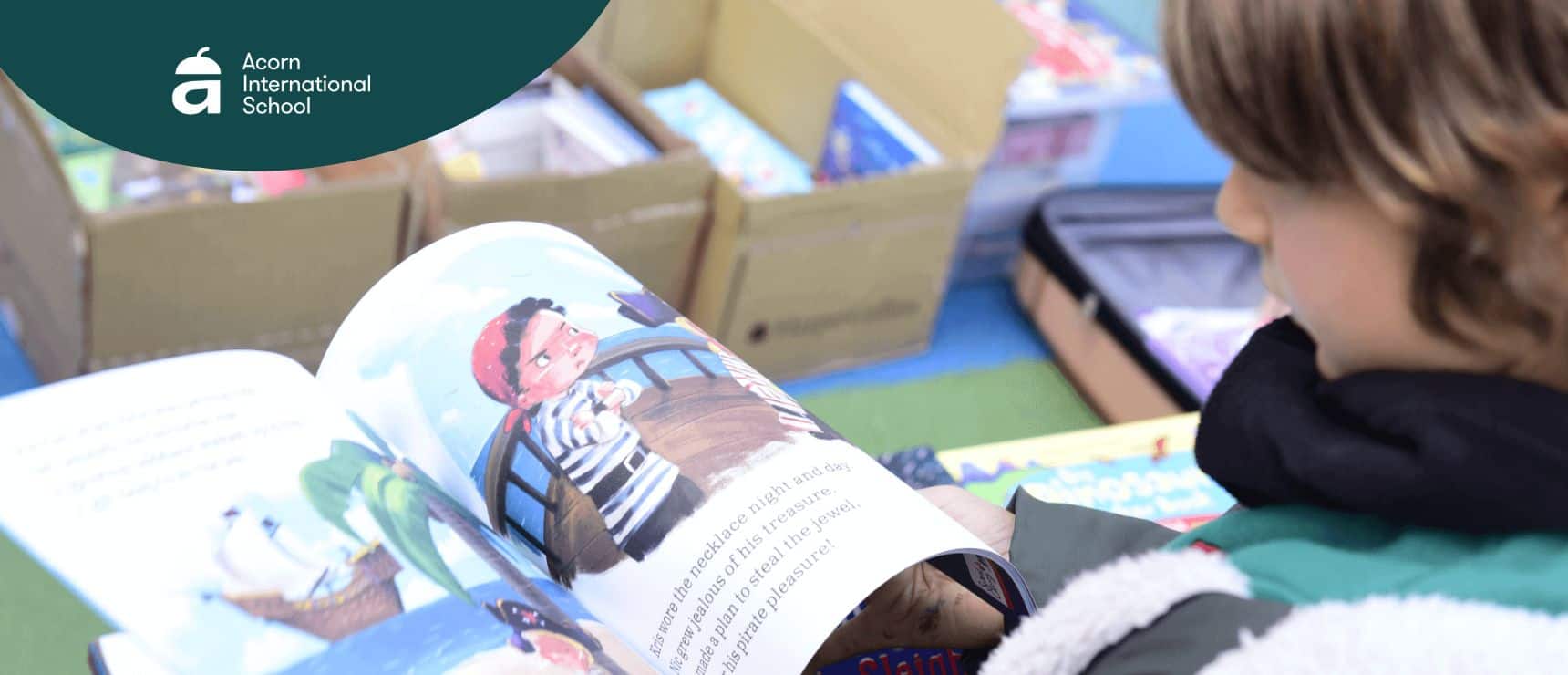
A simple gesture, a profound impact
There is a simple, almost everyday image: an adult holding a child and reading a story aloud. It does not matter if the little one does not yet understand all the words, cannot speak, or seems more interested in the pictures than the text. In that moment, something much bigger than it appears is taking place.
In recent years, paediatricians and child development specialists have made one message clear: reading aloud from the very first months of life is not just an affectionate gesture, but a real stimulus for a child’s linguistic, cognitive and emotional growth.
Before words, there is listening
Even before they can speak, children listen. They absorb sounds, the rhythm of the voice, pauses, and intonations. Every word read helps build connections in the brain, strengthens familiarity with language, and lays the groundwork for what will come later: understanding, expressing themselves, and eventually reading independently. It is no coincidence that many studies link early exposure to reading with richer language development and greater ease in learning in the years that follow.
Reading is also about connection
But there is another aspect that is just as important: the relationship.
When a parent reads to a young child, a shared space of attention is created. The child feels seen, recognises the voice, the closeness, the eye contact. These repeated moments strengthen emotional bonds, security and trust. It is a slower kind of time, in contrast with the fast pace of everyday life, and it becomes a stable point of reference for the child.
Growing between languages
For many families, especially in international contexts, reading aloud also plays a special role in language development. Exposing children from an early age to more than one language through stories, rhymes and shared narration encourages cognitive flexibility, sensitivity to sounds, and openness to different cultures. Language is not only a tool for communication, but a way of building one’s place in the world.
From home to school
In education, these early experiences are increasingly recognised as the foundations of future learning. A love for reading, the ability to listen, and the habit of being with a book do not suddenly appear when children enter school. They are the result of small, repeated gestures over time, often at home, in the arms of an adult.
This is where the role of school connects with that of the family. At Acorn International School, creating language-rich environments, valuing listening, and offering storytelling opportunities in more than one language are part of an educational journey that continues what begins at home: the encounter with stories, with words, and with relationships. In a bilingual and international context, these experiences help children move naturally between languages and perspectives, turning language into a tool for connection, not only for learning.
A gesture that lasts
Talking about reading aloud, therefore, means talking not only about books, but about development, relationships and the future. It is a simple act, accessible to everyone, that does not require special tools — just a voice, a calm moment, and the willingness to share a story.
In a fast-changing world, offering children these moments of connection and language is one of the most concrete ways to help them grow with confidence. Reading aloud, after all, is a simple gesture. It does not require special skills, only presence. And often, it is precisely these small, repeated gestures that build the strongest foundations.
