There are moments in early childhood that look simple from the outside:
a small hand reaching for a colour, a curious glance following a leaf,
a wobbling step that tries to understand balance for the very first time.
Nothing extraordinary, we might think.
And yet, beneath those tiny gestures, something remarkable is happening.
Neuroscience has been telling us for years: during the first five years of life, a child’s brain forms up to one million new neural connections every second.
It is a speed, a richness, a plasticity that we will never experience again in the same way.
But it’s not the amount of stimulation that shapes the child.
It’s the quality of the experiences—and how they are lived.
A child dipping fingers into paint, examining a stone, inventing a story while playing on the floor is not “passing time”.
They are building the structures that will support thinking, language, emotional security and creativity for years to come.
Relationship: the first environment the child inhabits
Before language, before logic, before any academic learning, children grow through connection.
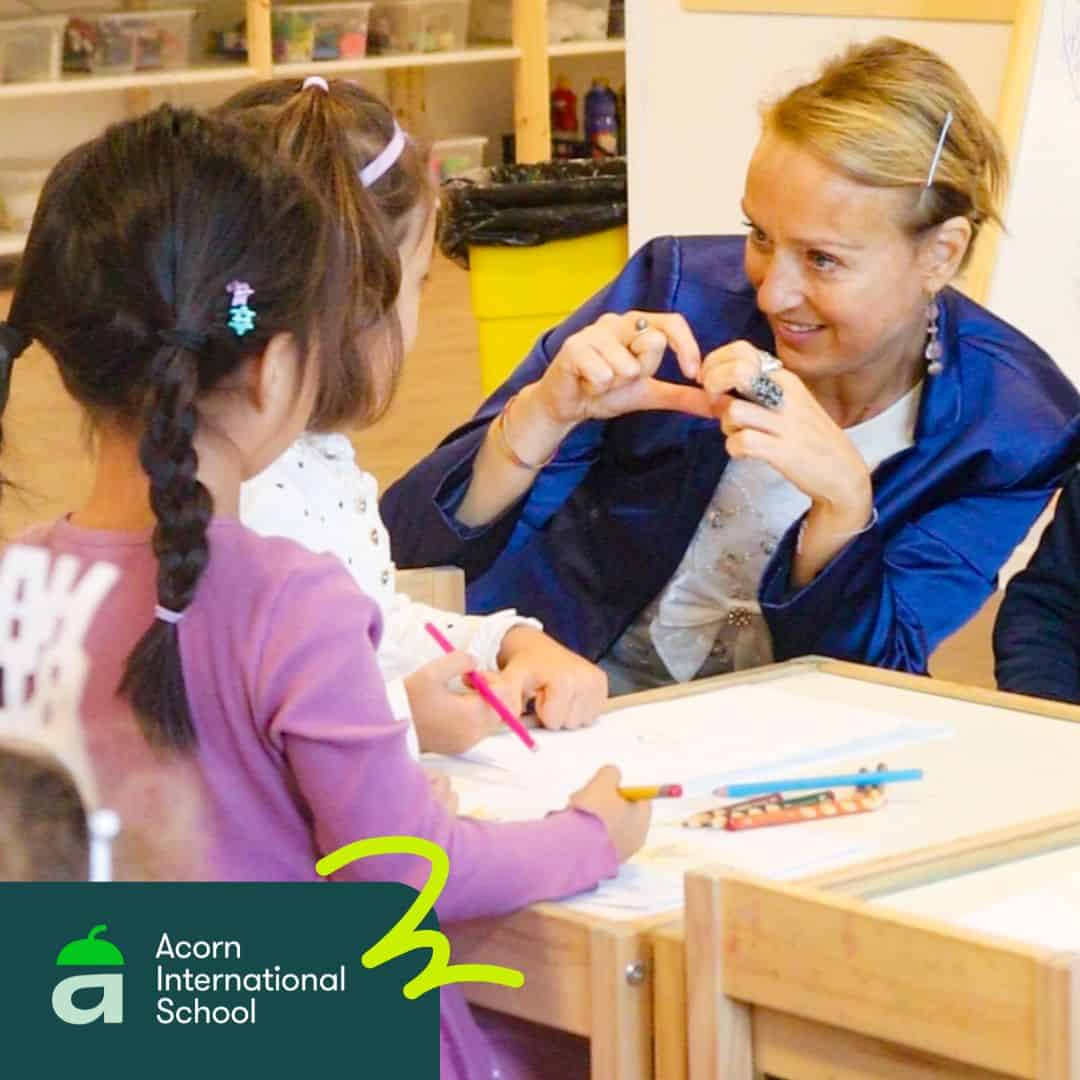
A reassuring look, a patient presence, a smile that invites them to try again—these are not nice extras.
They are the foundation of courage, curiosity and resilience.
Children explore because they feel safe.
They experiment because someone believes in them.
They return to a task because an adult’s presence tells them that the journey matters, not only the result.
Emotional security is not a soft concept:
it is the invisible architecture of future learning.
Play: the laboratory where the mind takes shape
Adults often see play as a break.
In reality, for a child, play is the work of the mind.
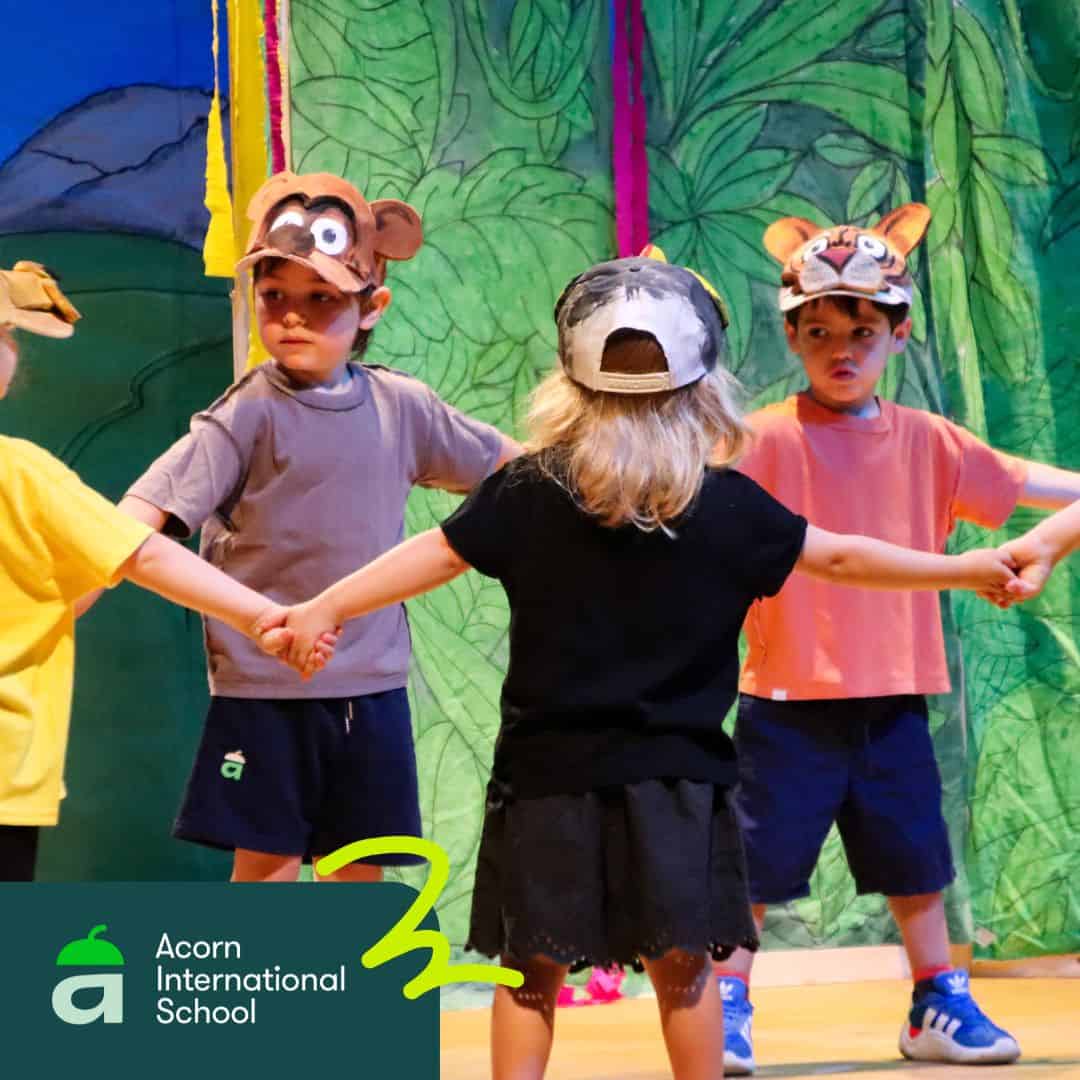
When children pour water, build a tower, imitate a story, invent a world,
their brains are coordinating ideas, testing hypotheses, developing language, regulating emotions.
They are learning how to understand themselves and the world—
not through explanation, but through experience.
Scientific research confirms what children have always known:
early learning is sensory, relational and embodied.
It happens with hands, with movement, with imagination.
The body as the first tool of knowledge
Movement is not an interruption to learning.
It is one of its engines.
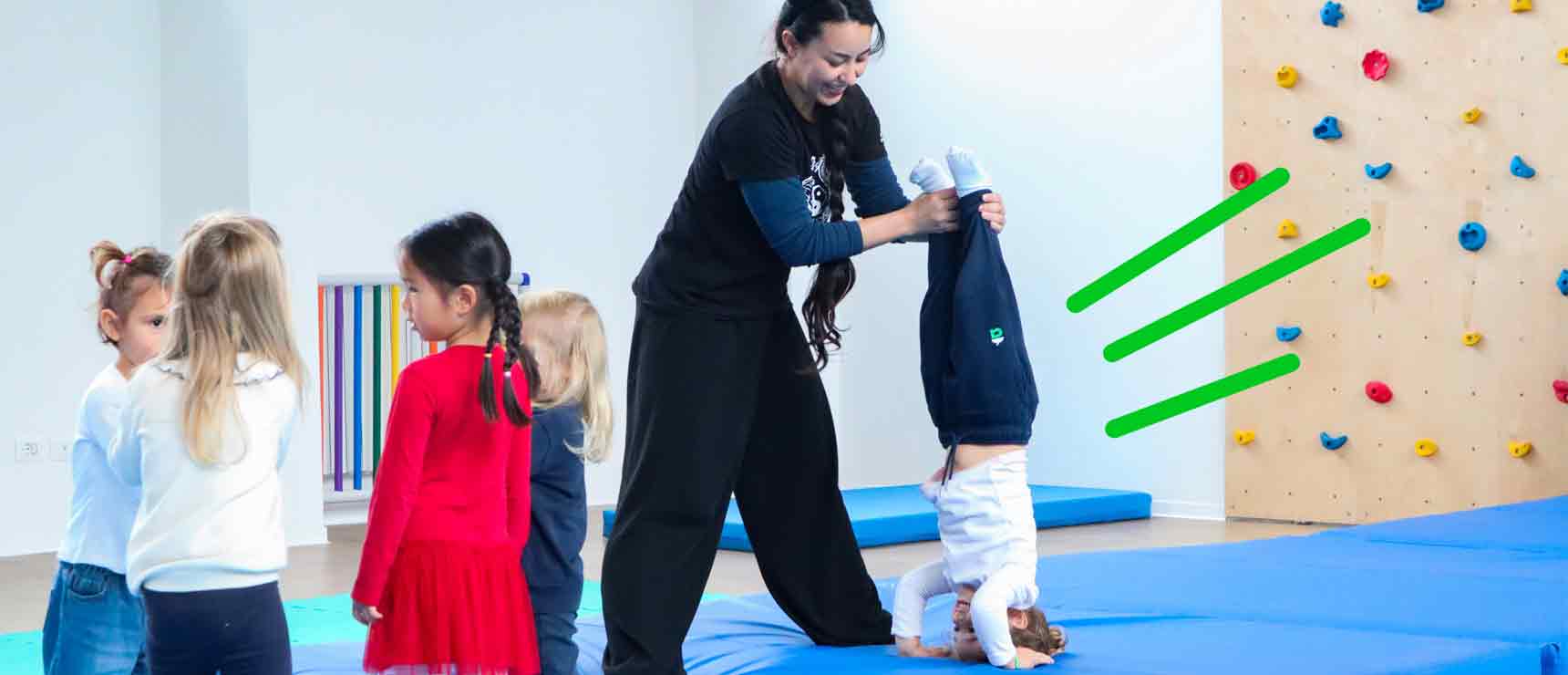
Running, balancing, climbing, crawling, jumping—
each movement supports cognitive development.
It helps organise attention, memory, spatial reasoning and emotional regulation.
A child who moves is not restless.
A child who moves is learning.
Nature: a quiet teacher with a powerful impact
A child who observes a ladybird, touches damp soil, listens to the sound of leaves,
is receiving something that indoor environments alone cannot offer.
Nature calms the nervous system, strengthens attention,
reduces stress hormones and increases curiosity.
Outdoor experiences create deeper, more lasting memories.
Human beings are wired to learn from the world,
not just from a table or a worksheet.
A second language is not taught—it is lived
In the early years, children don’t “study” a second language.
They absorb it.
Through relationship, tone of voice, gestures, songs, daily routines—
the brain integrates the new language with the same naturalness it uses for the first one.
When the environment offers safety and human connection,
bilingualism becomes an effortless, organic process.
The invisible truth of the early years
When we watch a child learn, everything seems simple.
But the science behind those moments tells a different story:
every gesture, every interaction, every small discovery
is shaping the brain that will carry them into the future.
The early years are not an introduction.
They are the foundation—
the quiet, powerful structure on which everything else will stand.
Early Years at Acorn
At Acorn International School, our Early Years approach is built around this scientific understanding:
relationships first, rich experiences, movement, nature, emotional safety, and language that grows through daily life.
Families who wish to explore this philosophy in person are welcome to visit the campus and meet our educators.
👉 Book a tour or request more information: Link
📍 Via della Giustiniana 1200, Roma
🌐 www.acorninternationalschool.eu