International Baccalaureate (IB) schools in Denmark stand out for their robust academic frameworks and global perspective. Offering a blend of rigorous curriculum and holistic development, these schools prepare students not just for higher education but for a lifetime of success and adaptability in an ever-evolving world. Explore the advantages of IB schools compared to traditional educational systems. Gain insights into the top IB schools in Denmark and what makes them exceptional.
Compare IB Schools in Denmark
The comparison table highlights the most relevant schools. The full list is available below. Click on column headers to sort.
| School | City | Type | Curriculum | Ages | Tuition |
|---|---|---|---|---|---|
| Herlufsholm Skole | Næstved | Boarding School | IB Curriculum, IB Diploma Programme | 15.0–18.0 | $7,774 |
| Viborg Katedralskole | Viborg | Boarding School | IB Curriculum, IB Diploma Programme | — | Contact school |
| Struer Statsgymnasium | Struer | Boarding School | IB Curriculum, IB Diploma Programme | — | Contact school |
| Stenhus Gymnasium | Holbæk | International School | IB Curriculum, IB Diploma Programme | — | Contact school |
| North Zealand International School | Copenhagen | International School | British Curriculum, IB Curriculum, IB Diploma Programme | 3.0–16.0 | $3,146–4,638 |
| Nørre Gymnasium | Copenhagen | International School | Danish Curriculum, IB Curriculum, IB Diploma Programme | 16.0–18.0 | Contact school |
| Kolding Gymnasium, HF-kursus | Kolding | International School | IB Curriculum, IB Diploma Programme | — | Contact school |
| International School of Hellerup | Hellerup | International School | IB Curriculum, IB Diploma Programme, IB Middle Years Programme | 3.0–19.0 | $8,836 |
| The International School of Billund | Billund | International School | IB Curriculum, IB Middle Years Programme, IB Primary Years Programme | 3.0–16.0 | $5,230–5,337 |
| Ikast-Brande Gymnasium | Ikast | International School | IB Curriculum, IB Diploma Programme | — | Contact school |
Top IB Schools in Denmark
Filters
Herlufsholm Skole
 IB Curriculum
IB Diploma Programme
🗣️ English
IB Curriculum
IB Diploma Programme
🗣️ English Viborg Katedralskole
IB Curriculum
IB Diploma Programme
🗣️ English 
Struer Statsgymnasium
IB Curriculum
IB Diploma Programme
🗣️ English 
Stenhus Gymnasium
IB Curriculum
IB Diploma Programme
🗣️ English 
North Zealand International School
 British Curriculum
IB Curriculum
🗣️ English
British Curriculum
IB Curriculum
🗣️ English Nørre Gymnasium
IB Curriculum
🗣️ English Kolding Gymnasium, HF-kursus
IB Curriculum
IB Diploma Programme
🗣️ English International School of Hellerup
IB Curriculum
IB Diploma Programme
🗣️ English 👥 700 🌍 70.0+ nations 
The International School of Billund
IB Curriculum
IB Middle Years Programme
🗣️ English Ikast-Brande Gymnasium
IB Curriculum
IB Diploma Programme
🗣️ English 
Copenhagen International School
IB Curriculum
🗣️ English 👥 950 🌍 80+ nations 
Hasseris Gymnasium and IB World School
IB Curriculum
IB Diploma Programme
🗣️ English 
Grenaa Gymnasium
IB Curriculum
IB Diploma Programme
🗣️ English 
EUC Syd
IB Curriculum
IB Diploma Programme
🗣️ English Esbjerg International School
IB Curriculum
IB Middle Years Programme
🗣️ Bilingual🗣️ Danish 👥 290 🌍 50.0+ nations 
Esbjerg Gymnasium – STX – HF – IB-DP
IB Curriculum
IB Diploma Programme
🗣️ English 
Birkerød Gymnasium
IB Curriculum
IB Diploma Programme
🗣️ English 👥 20 
Aarhus International School
British Curriculum
IB Curriculum
🗣️ English 
Aarhus Gymnasium-Tilst
IB Curriculum
IB Diploma Programme
🗣️ English Why Choose IB Schools in Denmark
Choosing the right IB school in Denmark is a pivotal decision that can shape your child's future. With a focus on academic excellence, cultural diversity, and personal growth, these schools offer a comprehensive and enriching educational experience. As you explore your options, consider the factors that matter most to your family and prioritize the qualities that align with your child's needs and aspirations.
Academic Excellence and Rigorous Curriculum
Choosing an IB school in Denmark means committing to a level of academic excellence that is recognized and respected worldwide. Danish IB schools are renowned for their high standards, not just in terms of curriculum but also in terms of teaching quality, student support, and examination outcomes. The IB Diploma Programme challenges students with a demanding curriculum that requires mastery in six subject areas, as well as completion of the Extended Essay, Theory of Knowledge, and Creativity, Activity, Service (CAS) components. This structure ensures that students are not only knowledgeable in traditional academic disciplines but also develop skills in independent research, critical thinking, and reflective learning. In Denmark, the implementation of the IB curriculum is paired with a national tradition of educational innovation and student-centered learning, making the experience particularly impactful. Teachers in Danish IB schools are highly qualified, often trained internationally, and committed to fostering an environment where intellectual curiosity is not only encouraged but expected. The support students receive goes beyond the classroom: regular feedback, personalized guidance, and access to resources help each learner reach their potential. The academic reputation of Danish IB schools attracts a diverse and ambitious student body, creating an atmosphere of mutual motivation and intellectual engagement. Moreover, the IB diploma’s global recognition means graduates are welcomed at top universities in Denmark, Europe, North America, and around the world. This opens doors not only for higher education but also for future career opportunities, as employers value the adaptable, analytical, and globally minded graduates produced by the program. The blend of a challenging curriculum, outstanding teachers, and a supportive academic culture makes Danish IB schools an ideal choice for families prioritizing scholastic achievement and long-term success.
Holistic Development and Student Well-being
One of the fundamental reasons to choose an IB school in Denmark is the holistic approach to education that extends far beyond academics. Danish IB schools are deeply committed to nurturing the whole person—intellectually, emotionally, socially, and ethically. The IB philosophy emphasizes the development of well-rounded, balanced, and reflective individuals prepared for life’s complexities, not just its academic challenges. In Denmark, this approach is enriched by a national culture that values well-being, equality, and community. Students are encouraged to explore their interests and talents through a wide range of extracurricular activities, including arts, sports, leadership programs, and service initiatives. The CAS (Creativity, Activity, Service) component of the IB program ensures every student engages with creative pursuits, physical health, and community service, fostering empathy, resilience, and a sense of responsibility. Danish IB schools also prioritize mental health and emotional support, providing professional counseling, mentorship, and a safe space for students to express themselves. Small class sizes mean teachers truly know their students, allowing for tailored support and more meaningful relationships. Social development is further enhanced by the international character of IB schools, where students collaborate with peers from diverse backgrounds, learning intercultural respect and communication skills. Regular events, group projects, and cultural celebrations build a strong sense of belonging and school spirit. The result is an environment where students not only excel academically but also grow into confident, compassionate individuals ready to contribute positively to society. By fostering both personal growth and academic excellence, Danish IB schools prepare students for lifelong success and fulfillment.
International Mindedness and Cultural Diversity
A defining characteristic of IB schools in Denmark is their vibrant international community, which enriches the educational experience by fostering global awareness and cultural understanding. Danish IB schools attract students and teachers from all over the world, creating a diverse environment where multiple perspectives are valued and celebrated. This multicultural atmosphere is not only reflected in the classroom but also in daily school life, with students regularly interacting with peers from different backgrounds, traditions, and languages. Such exposure naturally cultivates international mindedness—a cornerstone of the IB philosophy—helping students develop empathy, open-mindedness, and adaptability. The curriculum itself emphasizes global contexts, encouraging students to consider issues from a variety of cultural and ethical viewpoints. Topics such as international relations, global economics, and world literature are explored in depth, enabling students to appreciate the complexity and interconnectedness of our world. Co-curricular activities, international days, and exchange programs further deepen this global perspective, allowing students to experience other cultures firsthand and to build friendships that span continents. This environment prepares students to thrive in multicultural workplaces and societies, equipping them with the interpersonal skills and cultural intelligence needed in the 21st century. In Denmark, a country known for its openness and progressive values, IB schools reflect and amplify these qualities, providing a safe and inclusive space for everyone. As a result, graduates leave not only with an academic qualification but also with a genuine understanding of the world’s diversity, ready to engage with international challenges and opportunities. For families seeking an education that transcends borders and prepares students for global citizenship, Danish IB schools offer an unparalleled experience.
Preparation for University and Lifelong Learning
Attending an IB school in Denmark is a strategic choice for students who aspire to succeed at university and beyond. The IB curriculum is widely recognized for its role in preparing students for the intellectual demands of higher education, thanks to its emphasis on independent research, critical analysis, and effective communication. Assignments such as the Extended Essay require students to undertake sustained, self-directed inquiry, mirroring the kind of academic work expected at the university level. The Theory of Knowledge course challenges students to reflect on how knowledge is constructed, teaching them to approach problems with skepticism, creativity, and rigor. These experiences foster self-motivation, time management, and organizational skills—qualities that are essential for university success. Danish IB schools further support this preparation through personalized university counseling, workshops, and partnerships with higher education institutions, ensuring students are well-informed about application processes, admission requirements, and study options worldwide. The skills acquired in IB programs—such as critical thinking, collaborative problem-solving, and effective communication—are highly valued by universities and employers alike. Research consistently shows that IB graduates are more likely to complete their university degrees and perform better academically compared to their peers from other educational backgrounds. In Denmark, where lifelong learning is a societal value, IB schools encourage students to remain curious, adaptable, and engaged with the world around them. This learner-centered ethos means students are not just prepared for their first degree, but are equipped with the mindset and skills to continue learning and growing throughout their lives. As a result, choosing an IB school in Denmark is an investment not only in immediate academic achievement but in a lifetime of personal and professional fulfillment.
Emphasis on Critical Thinking and Inquiry
IB schools in Denmark stand out for their commitment to cultivating critical thinking and a spirit of inquiry in every student. The IB curriculum encourages learners to ask questions, evaluate evidence, and approach problems from multiple perspectives. Danish IB educators foster classroom environments where debate and discussion are not only welcomed but expected, allowing students to develop their own opinions and challenge assumptions respectfully. Through unique program elements such as the Theory of Knowledge course and the Extended Essay, students are pushed beyond memorization to engage in deep reflection and independent research. This focus on inquiry prepares students to be innovative thinkers, capable of navigating complex issues both in higher education and in their future careers. In Denmark, where education is seen as a tool for personal and societal development, IB schools align perfectly with these national values by helping students become lifelong learners and adaptable problem-solvers. Graduates emerge with the confidence to question the status quo, a vital asset in today’s rapidly changing world.
Language Acquisition and Multilingualism
Language learning is central to the IB experience in Denmark, supporting both academic achievement and cultural understanding. Danish IB schools require students to study at least two languages, offering a rich array of options that reflect their international communities. This multilingual approach not only enhances cognitive flexibility and communication skills but also builds bridges between cultures—an essential quality for global citizens. In Denmark, where English is widely spoken alongside Danish and many other languages, IB students benefit from daily exposure to a truly multilingual environment. Language classes emphasize practical usage and cultural context, ensuring students can confidently converse and collaborate across linguistic boundaries. Whether students continue their studies in Denmark or abroad, their proficiency in multiple languages opens doors to a broader range of universities and careers, and deepens their appreciation for the world’s diversity. This commitment to language acquisition is a key reason families choose IB schools in Denmark.
How much does it cost to attend IB Schools in Denmark?
The yearly tuition fees for ib schools in Denmark generally range from $6,000 to $28,000 per year. This cost can vary based on factors like the curriculum, campus facilities, and services offered.
| Category | Low Range | High Range |
|---|---|---|
| Annual Tuition | $6,000 | $28,000 |
| Registration Fee (one-time) | $200 | $1,000 |
| School Trips | $200 | $2,000 |
| Total Estimated Annual Cost | $7,000 | $30,000 |
Note: Costs shown are estimates based on available data. Contact schools directly for current fee structures. Additional costs may include transportation, meals, extracurricular activities, and exam fees.
Frequently Asked Questions
There are currently 19 IB Schools in Denmark. These schools follow the IB Curriculum curriculum, providing students with a globally recognized education.
Annual tuition fees for IB Schools in Denmark typically range from $7,000 to $30,000 per year. We recommend contacting schools directly for detailed fee structures and scholarship opportunities.
The International Baccalaureate (IB) is known for its rigorous, inquiry-based approach to education. IB schools offer up to four programmes:
- PYP (Primary Years Programme): Ages 3-12 — Develops caring and culturally aware children to become active participants in their own learning.
- MYP (Middle Years Programme): Ages 11-16 — Builds a solid academic foundation and develops students' confidence in managing their own learning.
- DP (Diploma Programme): Ages 16-19 — A future-ready programme that builds inquiring mindset and prepares students to excel.
- CP (Career-related Programme): Ages 16-19 — Equips students with future-ready skills combining academic subjects with professional interests.
IB qualifications are recognized by universities worldwide, making graduates highly sought after.
When selecting an international school in Denmark, consider:
- Accreditation: Look for CIS, NEASC, or similar recognition
- Curriculum: Match to your family's mobility plans
- Language support: ESL/EAL programs if needed
- Community: Diversity of student body
- Transition support: Important for expat families
Use our school profiles and comparison tools to make an informed decision.
IB Schools in Denmark accept students from 2 to 19 years old. This covers early years through high school, with each school having specific grade levels. Use our age filters to find schools matching your child's specific needs.
The admission process typically includes:
- Application: Submit forms and required documents
- Academic records: Transcripts and recommendations
- Assessment: Entrance tests or interviews may be required
- School visit: Tours and meetings with admissions
Contact schools directly for specific requirements and deadlines.
News & Events from IB Schools in Denmark
See all →
World Kindness Day celebrated at Copenhagen International School
Nov 12, 2024
Educating Champions of a Sustainable World at Copenhagen International School
Nov 12, 2024
Racial and Social Justice Union – Real World Practice of Global Citizenship Education
Sep 4, 2024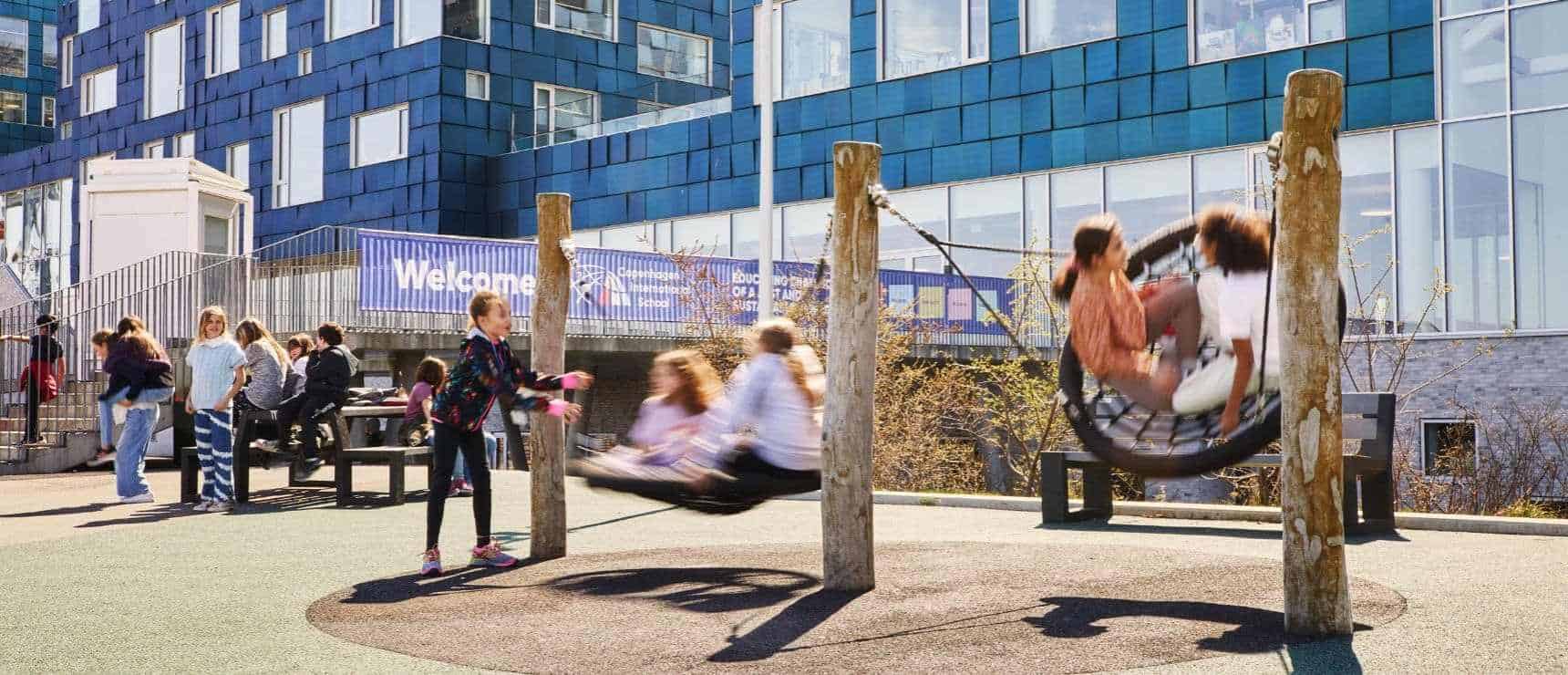
Leadership Opportunity: Director Position at Copenhagen International School
Sep 4, 2024
Copenhagen International School Kicks Off 61st School Year with Diverse Global Community
Aug 29, 2024