The link between sports and academic success has attracted increasing attention in recent years. Long viewed as merely a break in students’ daily routines, sports now play an increasingly strategic role in educational discourse. How does participating in sports at school actually influence children’s academic success? How can schools incorporate this aspect to help students develop well-rounded personalities?
The Benefits of Sports: A Driver of Holistic Development
In the spirit of Aristotle, physical activity helps to nurture both body and mind. At the schools within the Ermitage Education group, we firmly believe that physical activity has a vital role to play in education, as it makes a significant contribution to pupils’ overall well-being.
Developing lasting skills
Regular physical activity plays a direct role in the development of pupils’ cognitive abilities. It promotes concentration, memory and structured thinking. By stimulating brain plasticity, sport facilitates learning and enables students to engage more effectively with demanding academic content.
Beyond immediate performance, sport helps to instil lasting study habits: discipline, organisation and independence.
Strengthen essential soft skills
Sport provides an ideal learning environment for developing fundamental personal skills. Through experiencing hard work, setbacks and progress, pupils develop resilience, perseverance and self-confidence.
These qualities, often referred to as soft skills, play a key role in academic success and in the ability to thrive in demanding international environments.
Improve concentration and stress management
In an increasingly demanding academic environment, the ability to manage stress is becoming essential. Sport acts as a natural regulator, enabling students to channel their energy and maintain a high level of concentration over time.
Students who take part in regular exercise approach assessments with greater composure and develop better emotional control.
Promoting well-being and personal balance
Well-being is now recognised as a key factor in academic success. By promoting a balance between physical activity and intellectual work, sport contributes to an environment in which pupils can thrive and develop fully.
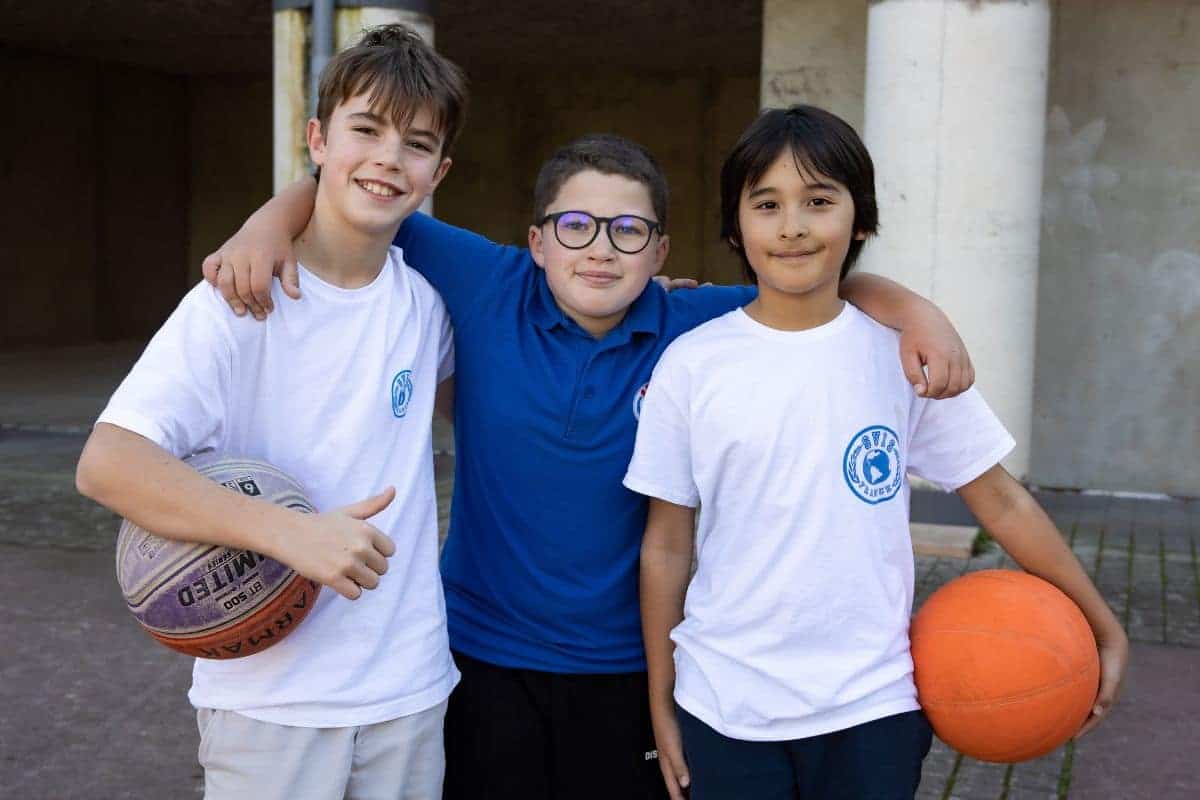
It also helps to strengthen social bonds by fostering positive and engaging group dynamics.
How can we make sports a central part of the educational programme?
The example of international programmes
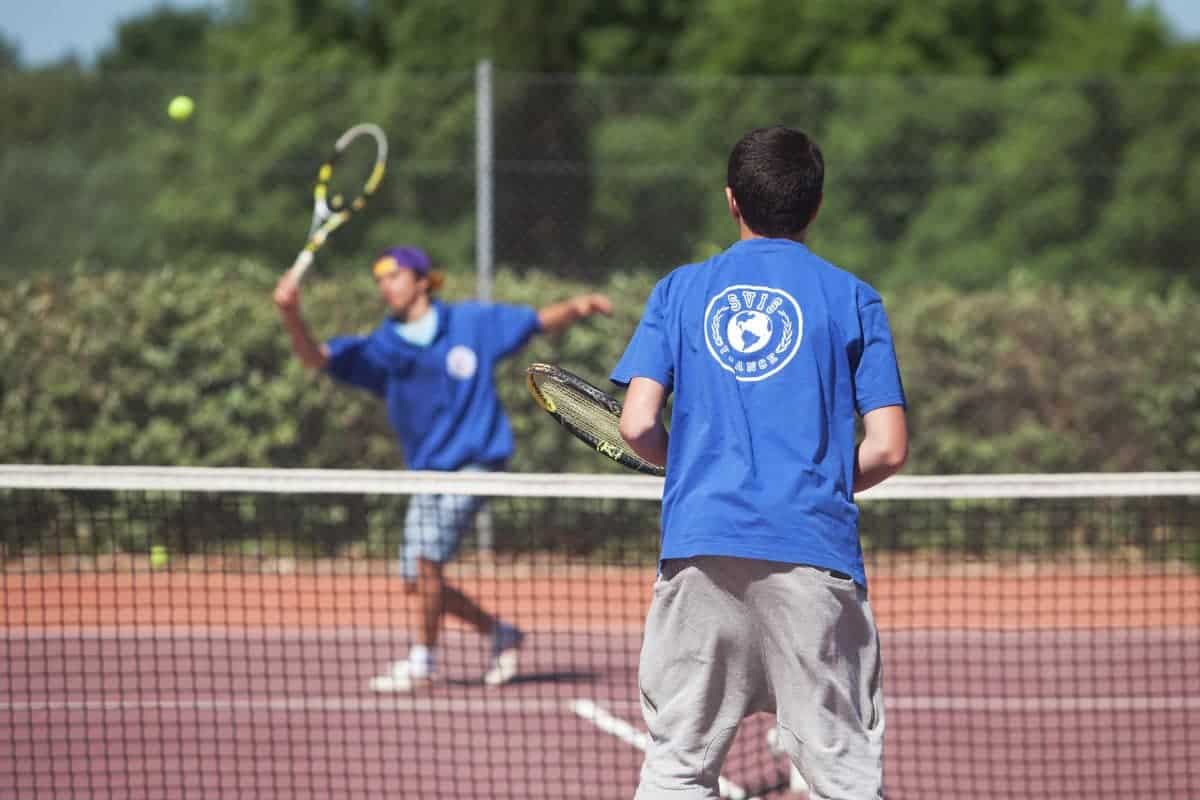
In international schools, “sport is an integral part of our students’ curriculum and timetable, from primary school through to sixth form,” says Frédéric Fabre, Head of Sainte Victoire International School. He also notes that “sport enables our pupils to be in the best possible condition for their learning and well-being”. Sports activities form part of a holistic educational approach, where each student’s development is considered in the round.
Programmes such as the International Baccalaureate (IB) fully embrace this holistic vision, emphasising a balance between academic learning, physical engagement and personal development. Sport is regarded as a fully-fledged educational tool, contributing to the development of independent and responsible students.
Formats tailored to students
The integration of sport also relies on flexible formats tailored to students’ schedules. This holistic approach to education lies at the heart of the mission of schools such as the Ermitage International School Paris, which is committed to striking a daily balance between sport and academic studies to foster pupils’ personal development.
At Ermitage Paris, students following the IB pathway finish lessons earlier so that sporting or extracurricular activities can be integrated into the school day, allowing learning to extend beyond the classroom in a different setting, while preserving each pupil’s overall well-being.
This structure reflects a strong commitment: to enable every pupil to develop their potential in every respect, without compromising between academic excellence and personal fulfilment.
Combining sport and education with dedicated programmes
Some schools go even further by incorporating specific sports programmes, designed as genuine extensions of the curriculum, and offer pupils the opportunity to balance academic rigour with in-depth sporting activity within a structured and supervised environment.
Equestrian: emotional intelligence and responsibility
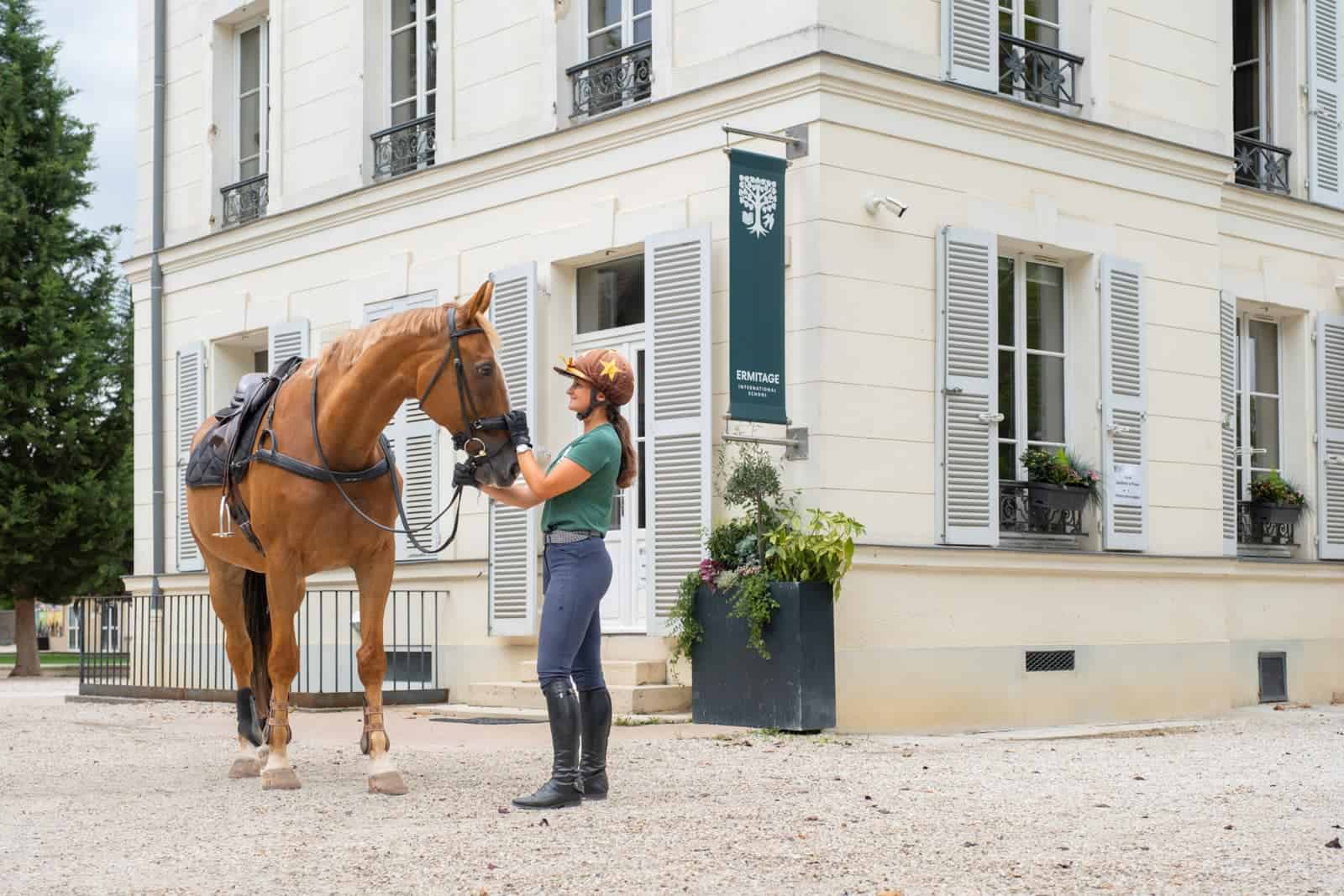
This is certainly true of the equestrian programmes offered at Ermitage International School Paris. This discipline is not merely a physical activity: it fosters a close bond between the pupil and the animal. The child must learn to interpret the horse’s behaviour, adjust their movements, maintain their balance and manage their emotions. This interaction significantly develops attention, motor coordination and adaptability. It also fosters self-confidence and a sense of responsibility, as the rider plays an active role in the animal’s well-being.
Golf: strategy, precision and self-control at SVIS
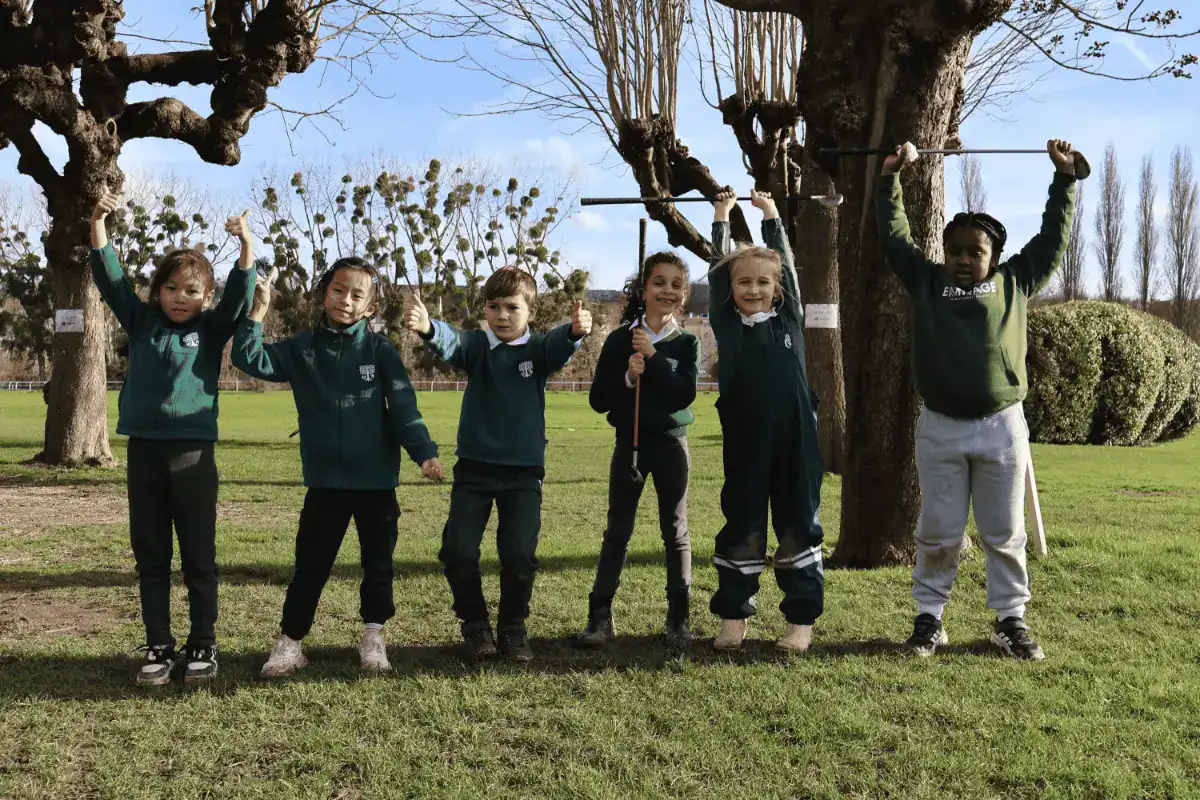
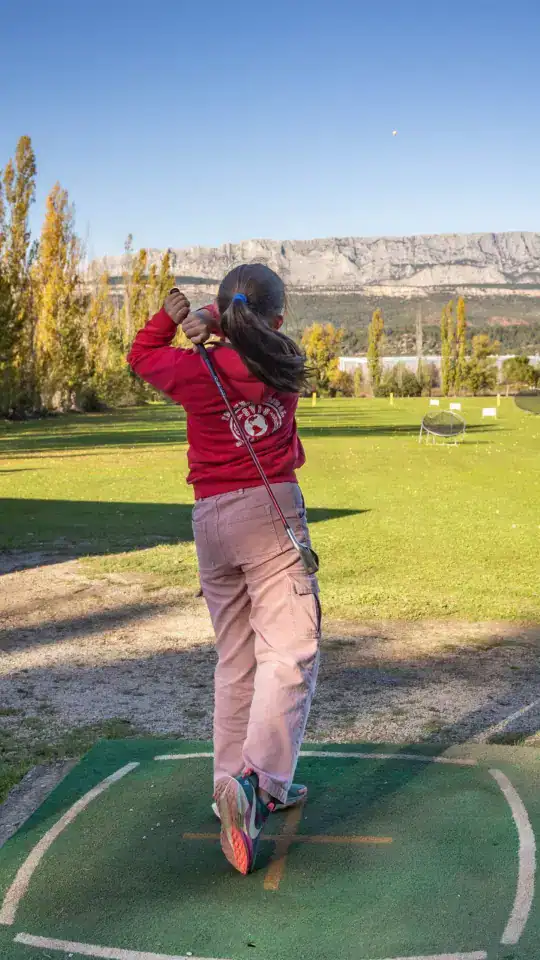
The golf programme offered by Sainte Victoire International School exemplifies another demanding approach to sport. As a precision sport, golf requires intense concentration and advanced analytical skills: distances, terrain, wind, game strategy… Every shot becomes an exercise in reflection and self-control. Pupils learn to manage frustration, to remain focused despite mistakes, and to develop qualities and skills that are directly transferable to the academic setting.
Finding the right balance between sport and studies
If sport is a powerful driver of development, its effectiveness depends on striking the right balance. Excessive training or a focus solely on performance can create counterproductive pressure. The aim is not to produce athletes, but to enable everyone, regardless of their ability, to find their place.
Supporting pupils is therefore essential to tailor activities to their individual needs. Too many competitions or an overloaded timetable can quickly encroach on rest and studies. This is where the role of teachers and parents is crucial: by emphasising progress, enjoyment and personal commitment, sport becomes a sustainable resource, seamlessly integrated into the school curriculum.
And this is entirely possible, as one of the students at Ermitage International School Paris explains: “The school supported me by allowing me a later start on days when I had no morning lessons. This enabled me to get more sleep or fit in a training session. My teachers also supported me by helping me prepare for exams during my free periods, which proved invaluable.”
Rethinking long-term academic success
Rethinking the role of sport in schools ultimately means broadening our definition of academic success. This can no longer be limited to academic results alone, but must encompass pupils’ well-being, self-confidence, social skills and personal development. Sport plays a vital role in this broader vision of education by developing skills that are essential to pupils’ overall success.
In a constantly changing world, pupils must be prepared to face complex and uncertain environments. Adaptability, leadership, stress management and initiative are becoming key skills.
By placing sport at the heart of their educational programme, schools such as Ermitage International School Paris clearly articulate a strong ambition to educate pupils capable of academic success, whilst developing the essential personal qualities needed to thrive in the long term on an international scale.
Ermitage Education Group brings together several international schools in France and Belgium (Ermitage International School Paris and Bordeaux, International School 33, Sainte Victoire International School, and Montgomery International School). Welcoming over 2,200 students aged 3 to 18, the group offers pathways leading to internationally recognized diplomas, including the IB, the French Baccalauréat, and IGCSEs, within a rigorous international or bilingual environment.