Personalised Education: The Impact of Small Classes and Individual Attention
In today’s educational landscape, families are increasingly seeking more than academic excellence. They are looking for environments where students are truly known, guided, and supported as individuals. Personalised education, often characterised by small class sizes and close mentoring, has become one of the most powerful differentiators in modern schooling.
But what does personalised education really mean in practice? And how does it impact student outcomes?
The Power of Small Class Sizes
Research consistently shows that smaller class environments allow for deeper engagement and more effective learning. In small classes:
-
Teachers can adapt explanations to different learning styles
-
Students feel more comfortable asking questions
-
Participation becomes active rather than passive
-
Feedback is more immediate and meaningful
When students are not “one among many,” they are more likely to develop confidence, curiosity, and a sense of academic ownership.
At Sixth Form level in particular, where academic depth increases and university preparation becomes critical, this personalised attention can significantly influence both performance and wellbeing.
Individual Attention Beyond the Classroom
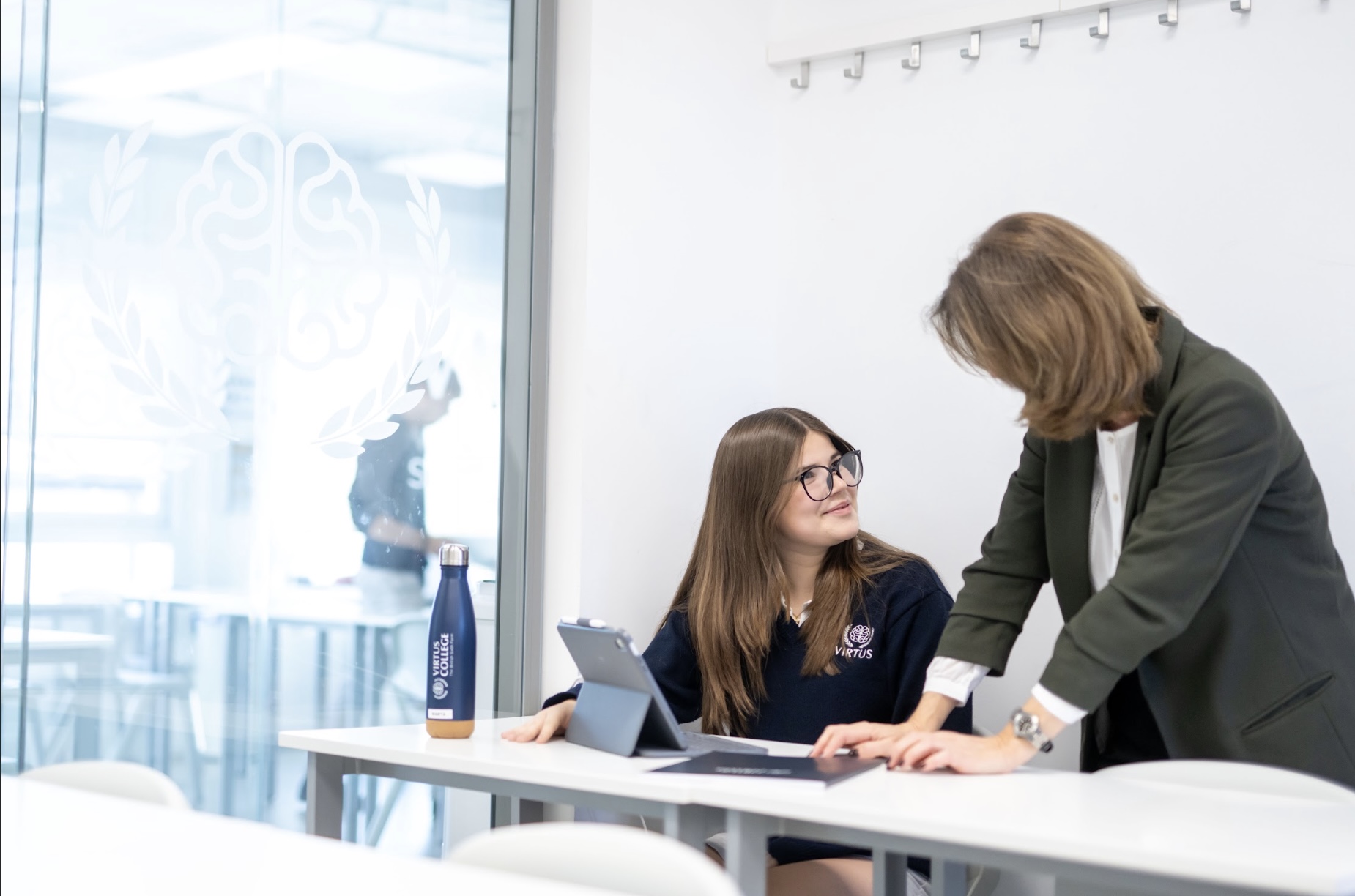
Personalised education is not limited to lesson delivery. It extends to mentoring, academic planning and university guidance.
Students benefit from:
-
Regular one-to-one academic monitoring
-
Tailored subject advice aligned with future goals
-
Structured support in developing study strategies
-
Early identification of strengths and areas for improvement
This holistic approach helps ensure that students are not only keeping pace academically, but also building long-term skills such as resilience, independence and strategic thinking.
Academic Confidence and Emotional Security
One often overlooked advantage of small learning environments is emotional security. Adolescence is a formative period. Feeling seen and supported by teachers can:
-
Increase motivation
-
Reduce academic anxiety
-
Encourage intellectual risk-taking
-
Strengthen student-teacher trust
When students know that their teachers understand their ambitions and challenges, they are more willing to engage deeply with their studies.
Preparing Students for University and Beyond
Selective universities increasingly look beyond grades. They value clarity of direction, intellectual maturity and the ability to think independently.
In personalised settings, students can:
-
Explore subjects in greater depth
-
Receive targeted feedback on essays and projects
-
Develop stronger critical thinking skills
-
Build coherent academic profiles aligned with future aspirations
This focused guidance becomes particularly relevant during the final years of secondary education, when academic choices directly shape university pathways.
A More Intentional Educational Experience
Ultimately, personalised education is about intentionality. It ensures that academic pathways are designed thoughtfully rather than generically. Students are guided with purpose, not simply moved through a system.
For families exploring international schools, understanding how a school approaches class size, mentoring and individual support is key. The right environment can transform not only academic results, but also a student’s confidence and readiness for the next stage of their journey.
In an increasingly competitive and complex world, personalised education offers something powerful: clarity, structure and the assurance that each student’s potential is recognised and nurtured.