In 1978 the literary critic Edward Said introduced the concept of Orientalism, defining it as a set of ideas, representations, and experiences developed by European scholars and travelers to interpret and describe the “Orient”: a vast region extending from North Africa to East Asia, encompassing a wide range of deeply diverse cultures and populations.
This vision of the Orient, constructed and largely imagined, was heavily shaped by stereotypical, racist, sexist, and exoticizing perspectives. It ultimately denied and flattened the social, political, and cultural complexity of Asian societies, while simultaneously reflecting a desire for “knowledge” and a drive for colonial domination and exploitation on the part of Western countries.
Despite the significant impact and wide circulation of Said’s work, which led to a profound critique and deconstruction of these paradigms, many scholars argue that Western societies still retain interpretative frameworks shaped by stereotypes and prejudice toward Asian realities. This is particularly evident in the case of China, which today plays a central role on the global stage as an alternative economic, political, and cultural power.
Within the context of Italian secondary education, the study of non-Western languages and cultures still represents the exception rather than the norm, constituting a distinctive and non-traditional educational experience. However, the introduction of Chinese language and culture at the high school level offers students a valuable opportunity to broaden their knowledge, develop transferable skills, and gain a deeper understanding of contemporary global dynamics.
At the same time, the time constraints of the school calendar often make it difficult to explore in depth cultural and current-affairs topics related to China, which could otherwise serve as an important source of motivation in language learning.
In this context, the China Files project fits in effectively, making a significant contribution by providing tools for in-depth analysis of contemporary Chinese society and culture, while also fostering essential digital and media literacy skills.
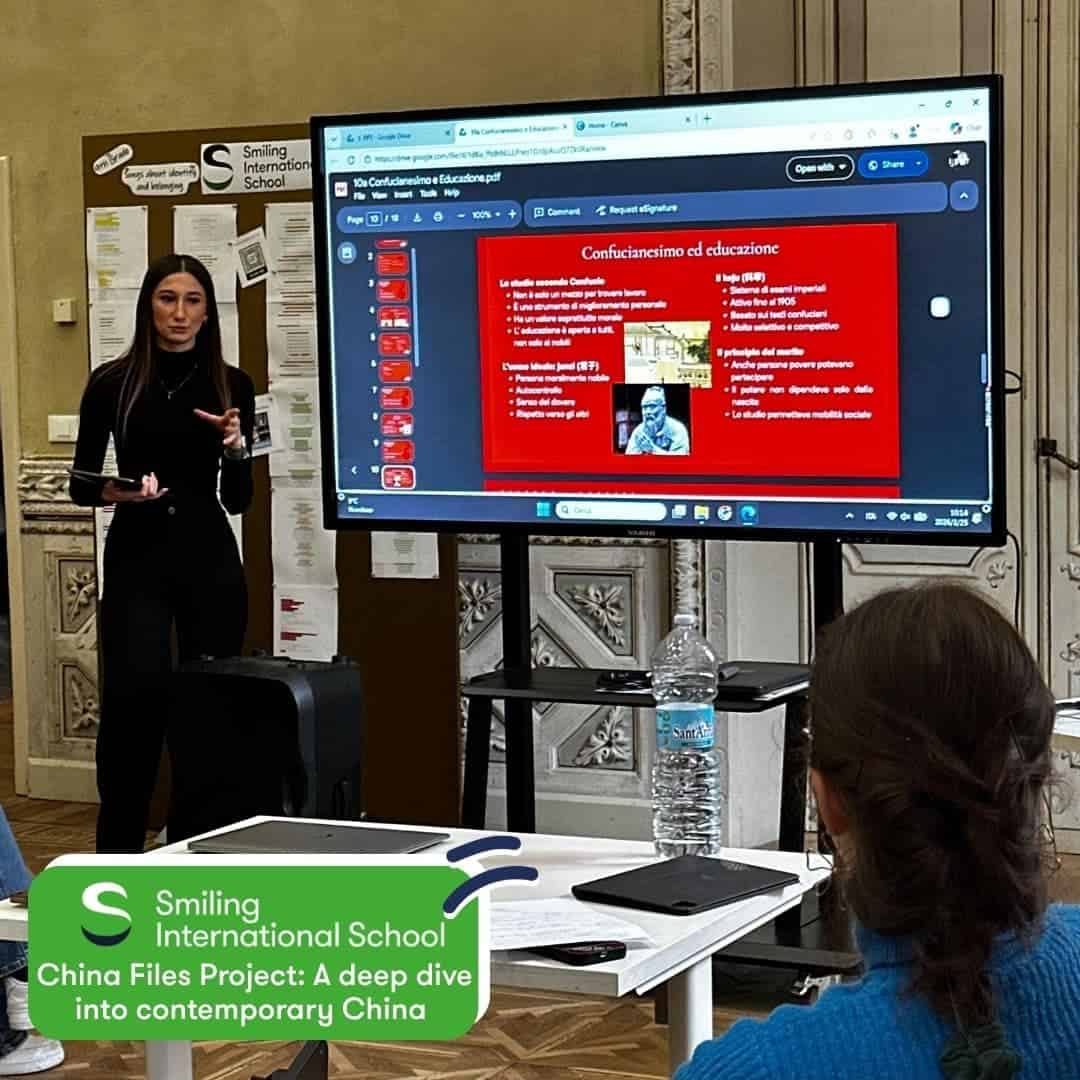
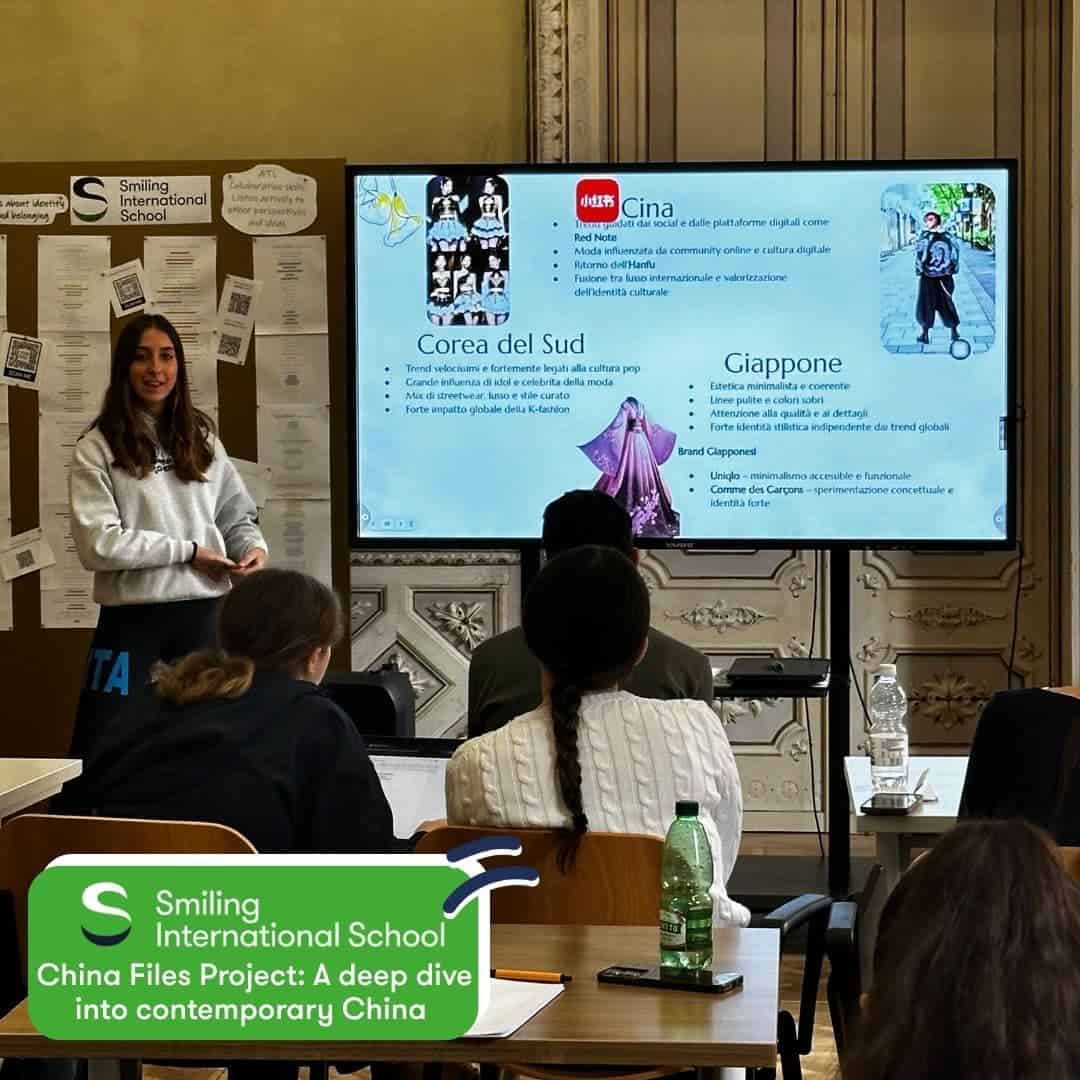
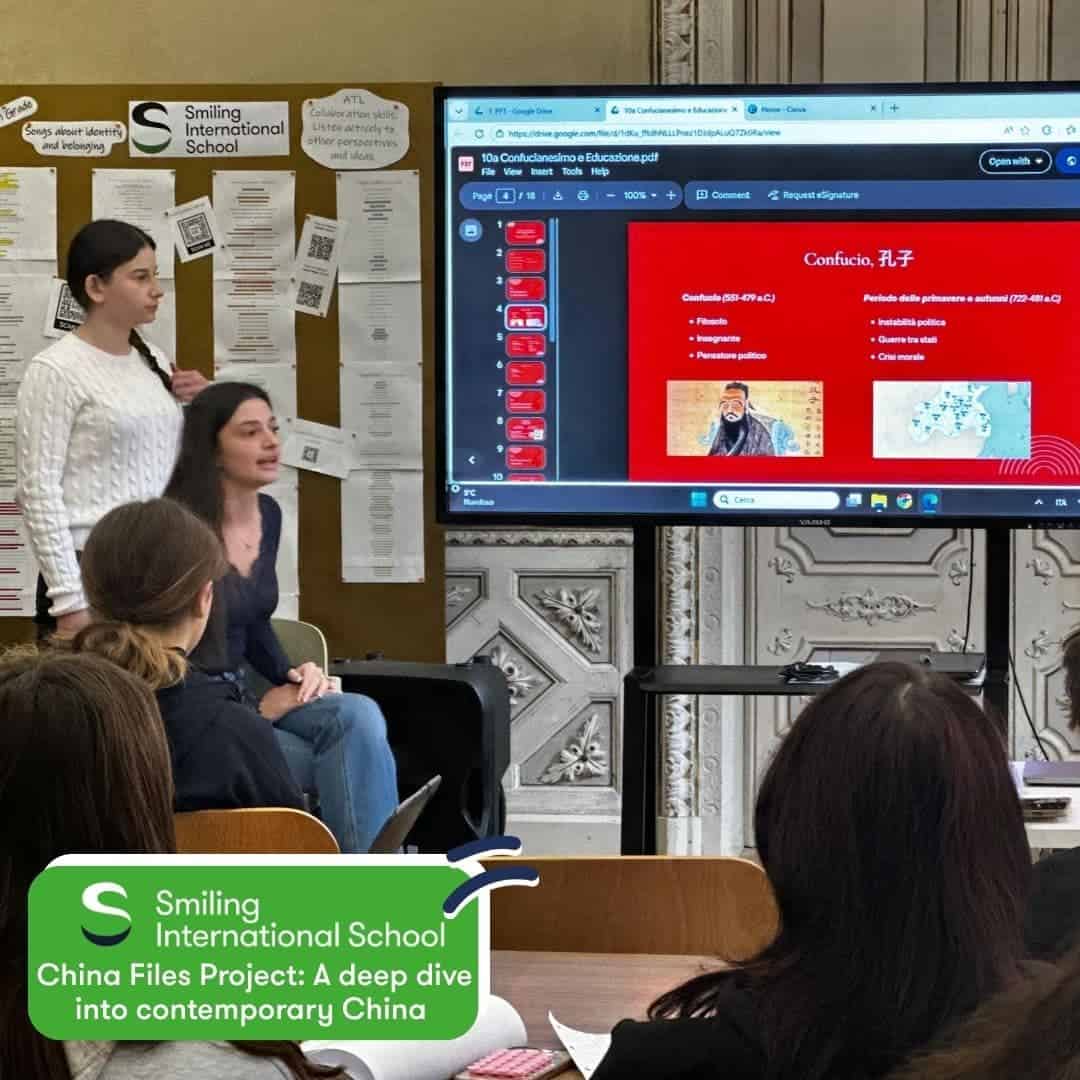
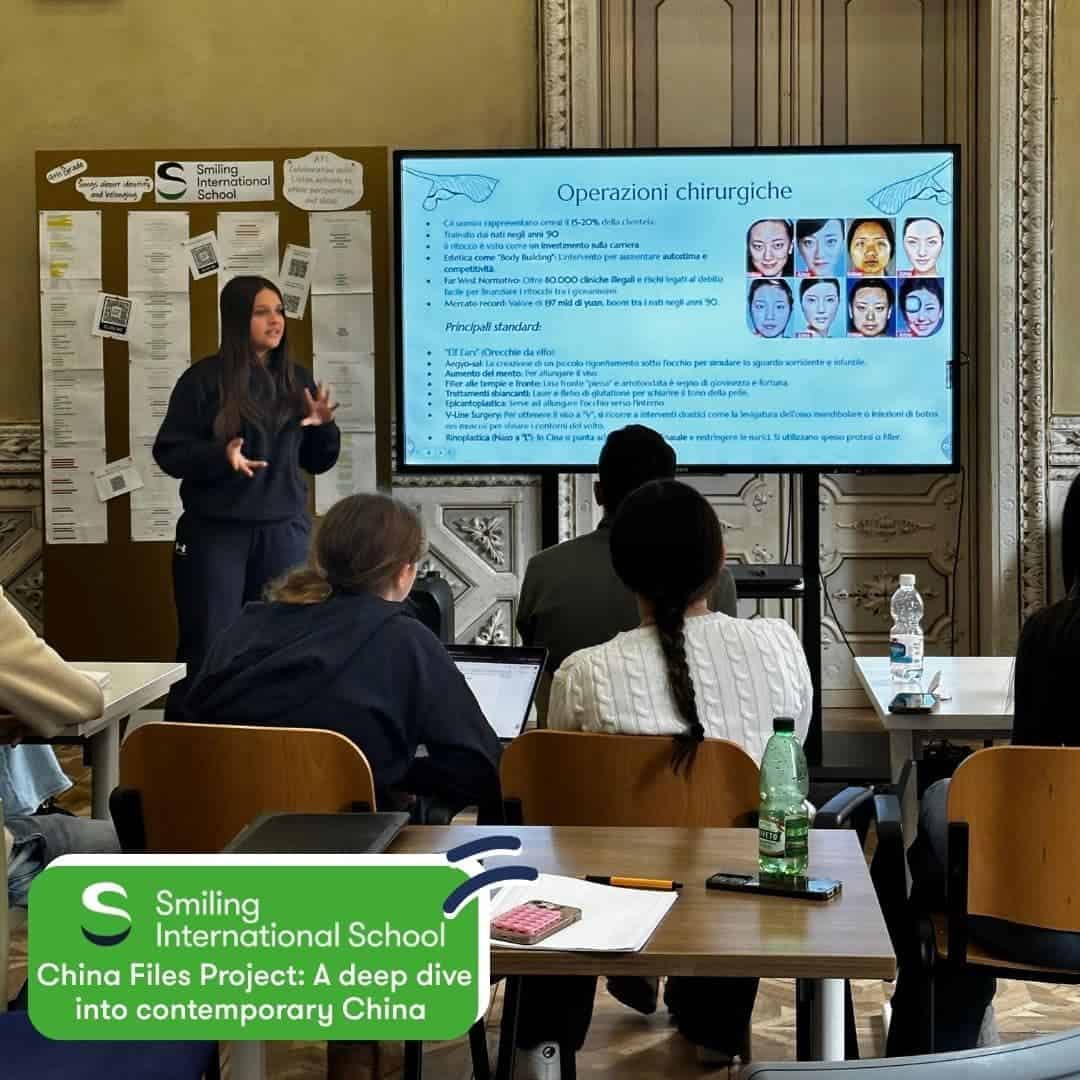
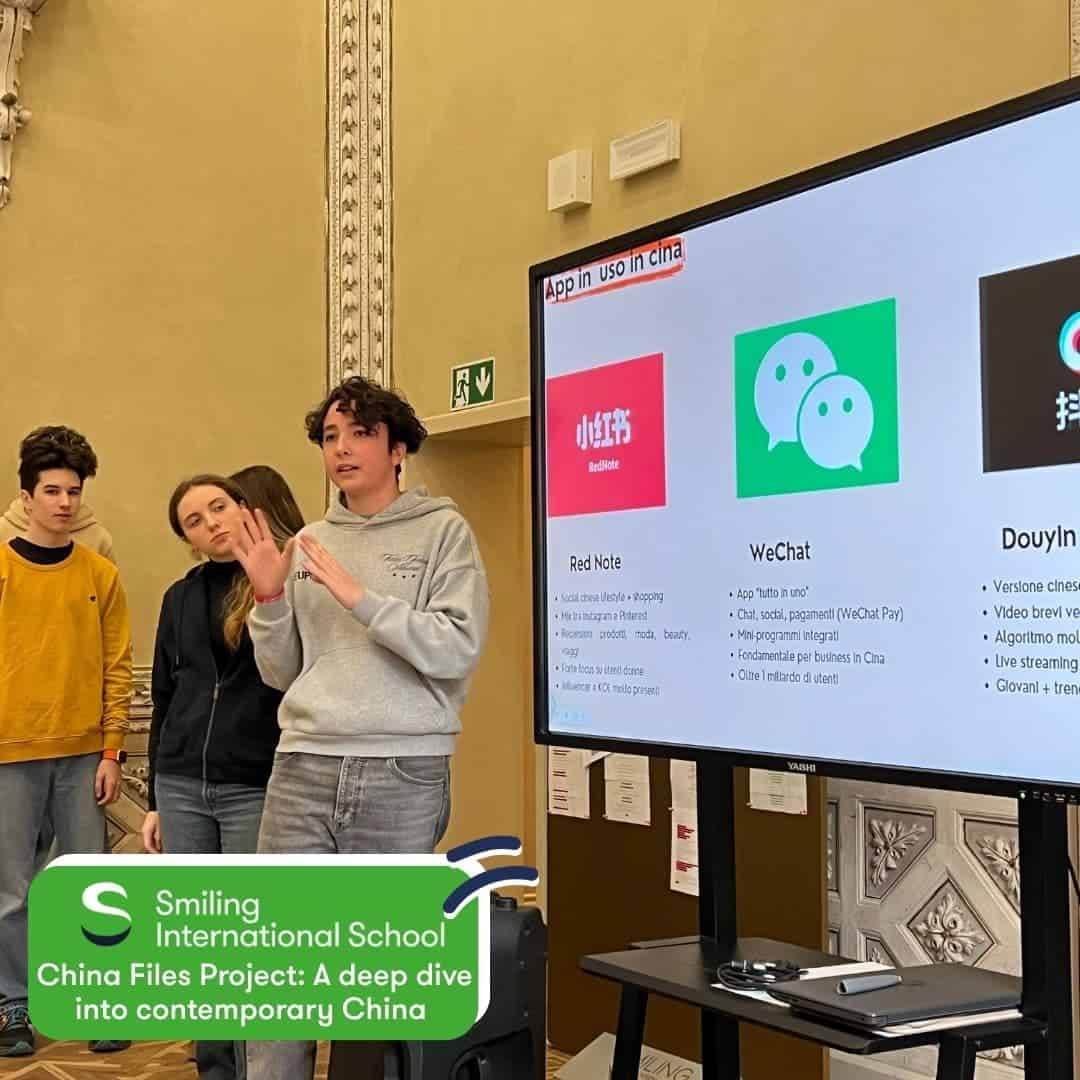
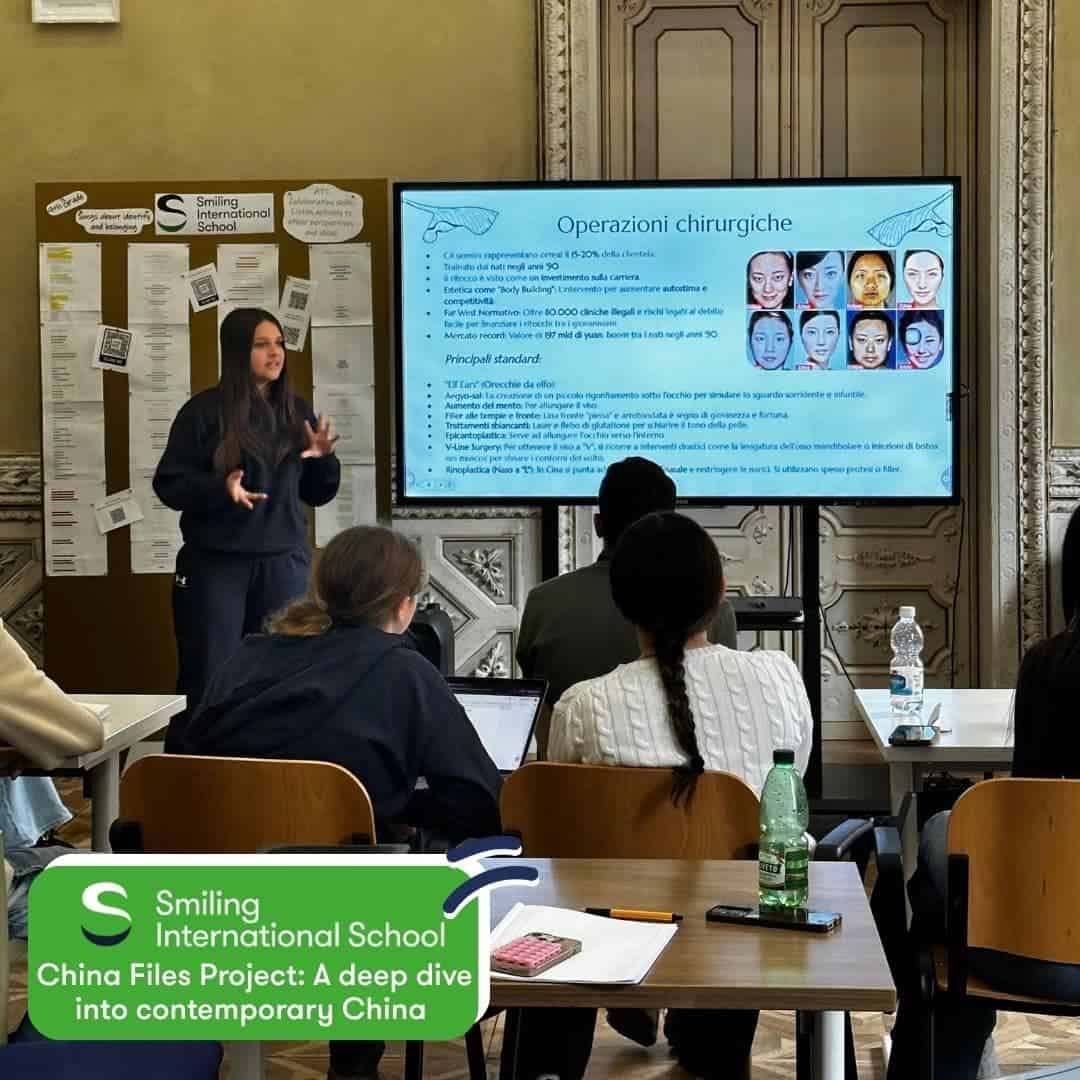
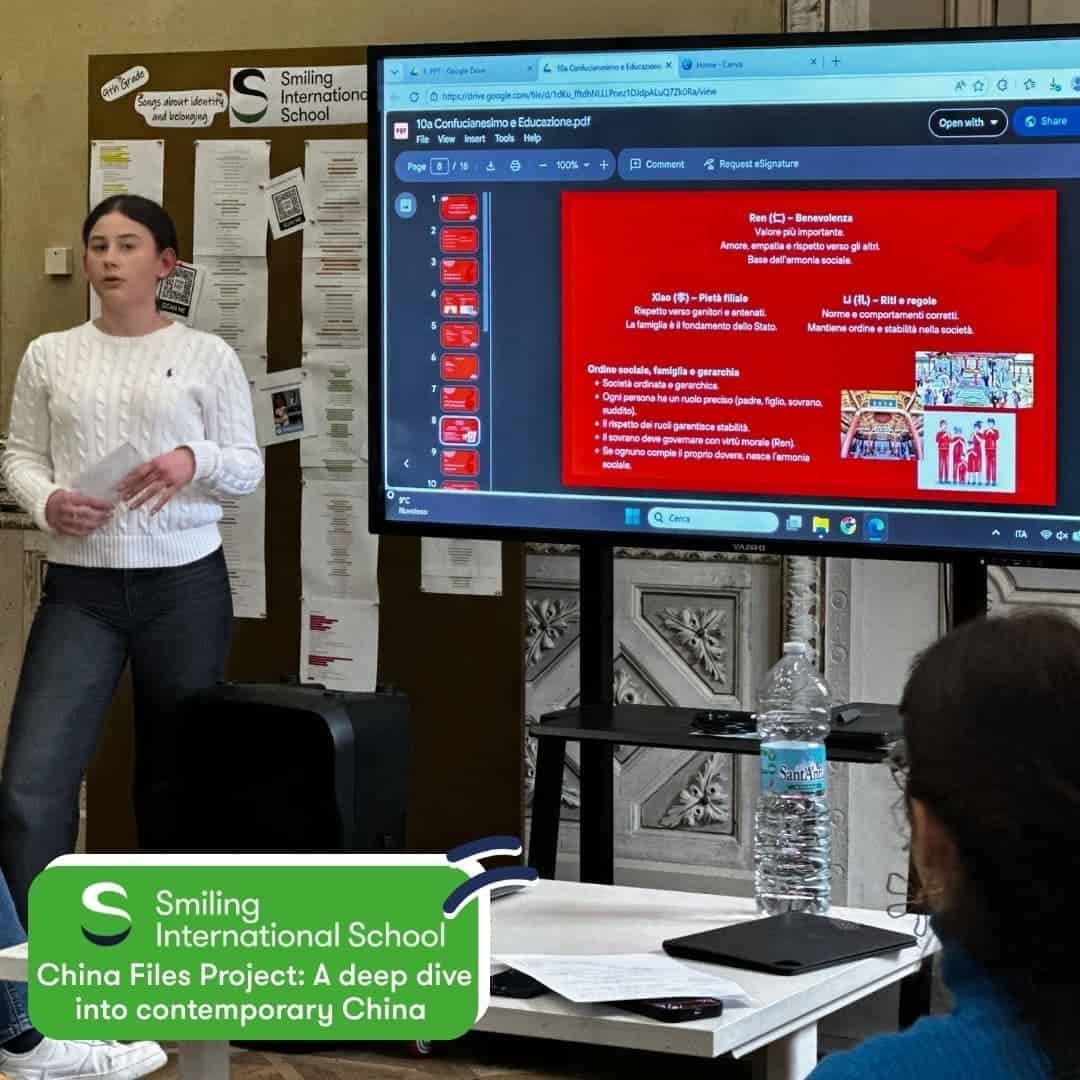
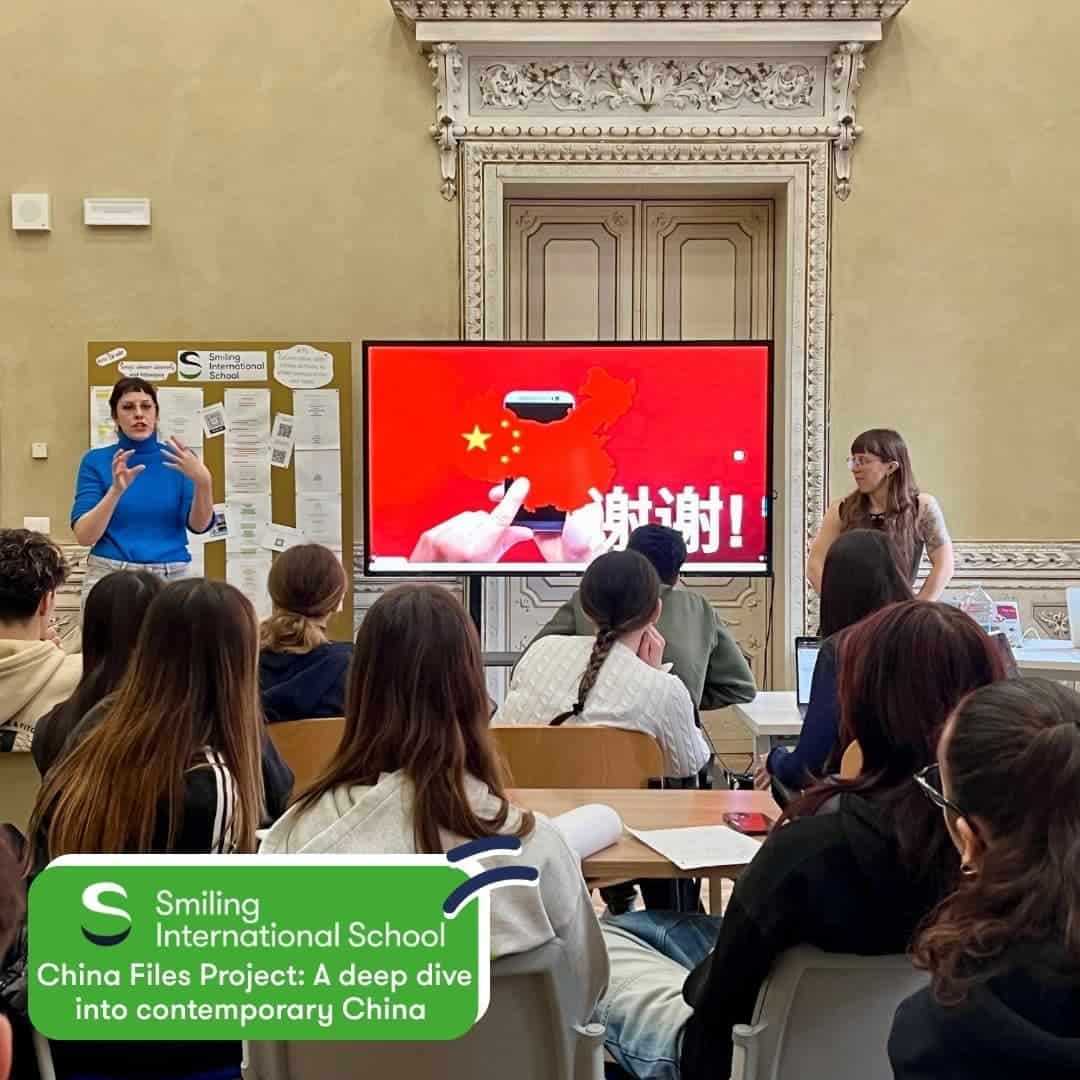
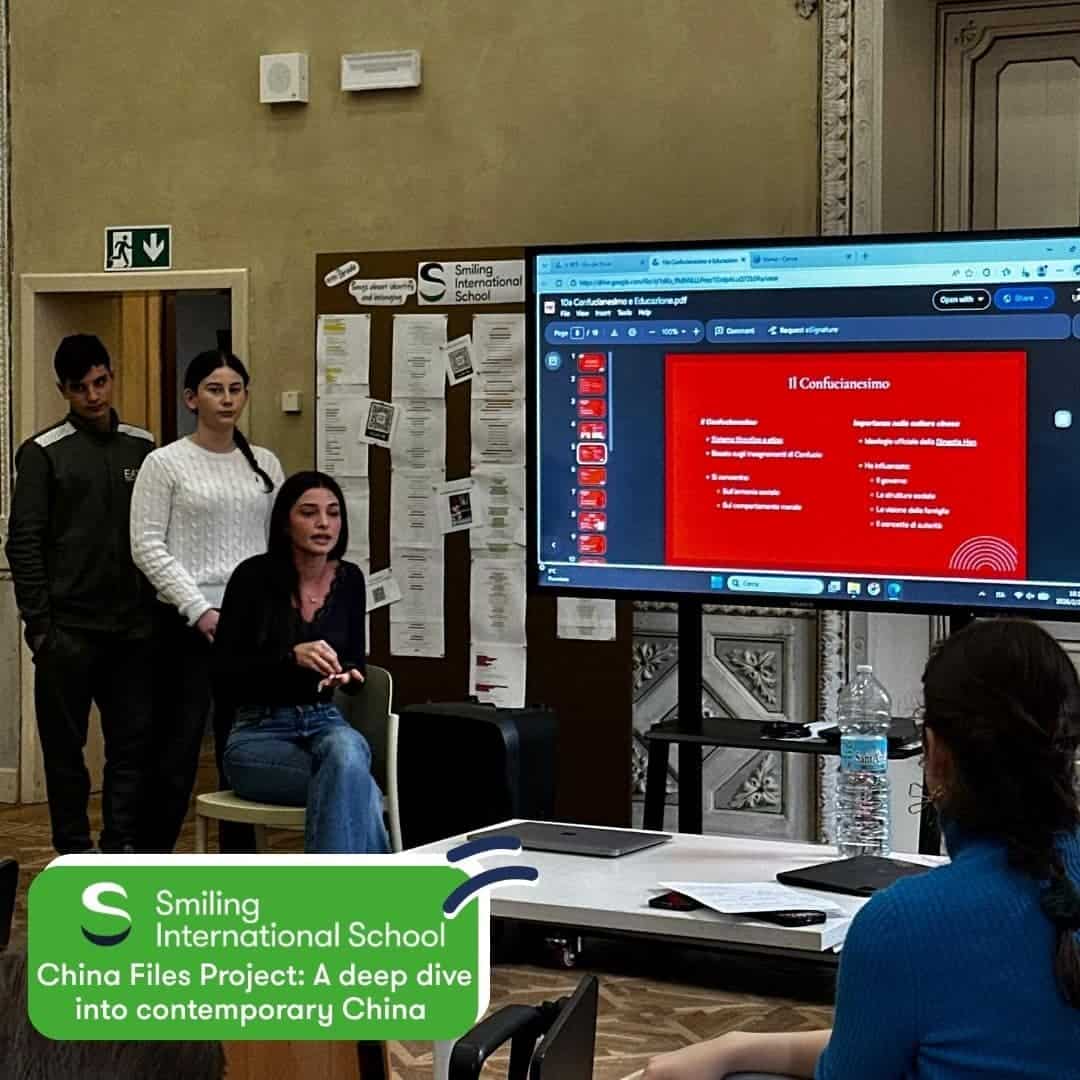
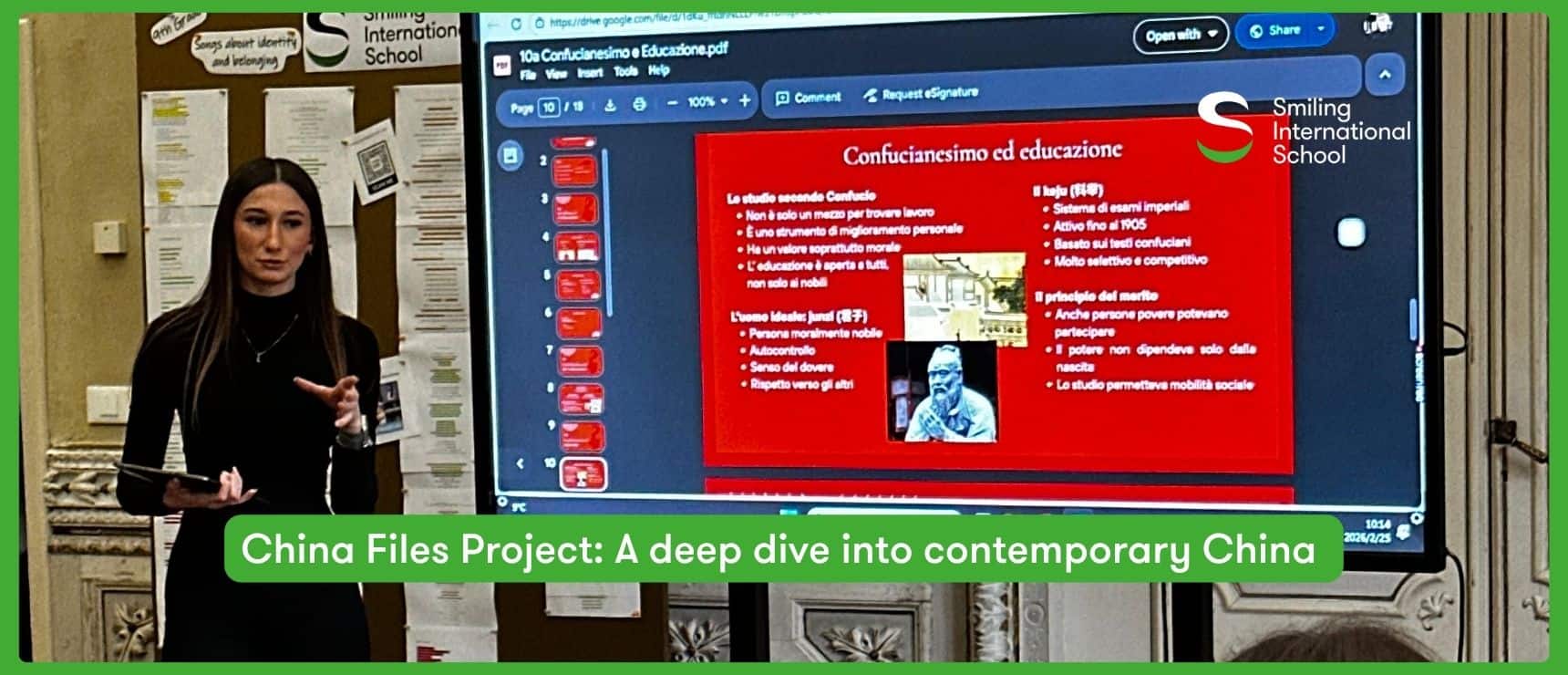
During the month-long program, students from the 10th, 11th, and 12th grades of Liceo Linguistico learned how to use reliable sources for online research and engaged directly with journalistic practices: they gathered information, presented it to their peers, and produced press reviews and articles, with the valuable support of China Files trainers and journalists.
Through these research activities, students explored key issues in contemporary China, both economic and social: from industrial production and consumption patterns in recent history to the Confucian-inspired education system and the pressure placed on students; from the use and misuse of social media to beauty standards in East Asia, as well as the social dynamics regulating romantic relationships and Chinese feminism.
In doing so, students were able to closely examine processes of interaction, conflict, and mediation between the state and its citizens in areas such as information and censorship; explore the world of romantic relationships, from traditional marriage markets to modern dating apps; and empathize with Chinese high school students, dealing with family pressure and long hours of study in preparation for the highly competitive Gaokao exam.
This experience enabled students to engage with contemporary China in all its complexity, recognizing its differences and contradictions through a more informed perspective, less influenced by the alarmism, exoticism, and sensationalism that sometimes characterize Western media narratives.
Ultimately, this represents a highly valuable educational experience grounded in an anti-Orientalist perspective, allowing students to engage with otherness, develop critical and comparative thinking, and question the assumptions that shape the status quo—not only with regard to China, but also to their own society.
An authentic and unfiltered immersion in contemporary China.