For many parents, childhood memories are tied to the stories that captured our imaginations, books that transported us into new worlds and sparked our curiosity. Helping children develop that same love of reading is one of the most powerful gifts we can offer them. Reading isn’t just about decoding letters on a page; it’s about understanding ideas, exploring emotions, building knowledge and making sense of the world.
At school, children learn how to read through phonics and structured reading instruction. But at home, families play an essential role in helping children become readers: children who choose books for pleasure, who enjoy stories, and who connect reading to their own experiences. Here are ten practical strategies families can use to nurture strong, joyful readers.
1. Build a daily reading rhythm
Short, regular reading moments, even 10–15 minutes, help children grow in fluency and confidence. A predictable routine also signals that reading is an enjoyable and valued part of home life.
2. Give children a say in what they read
Choice fuels motivation. Whether it’s stories, comics, facts, magazines or poetry, allowing children to pick their own books encourages them to read more often and with greater enthusiasm.
3. Read together and use your voice
When you read aloud, you naturally model how language works: pausing at commas, lifting your tone for questions, and adding expression that gives meaning to the text. Children learn a great deal simply by hearing fluent, expressive reading.
4. Talk about the story
Ask open questions as you read:
“What do you think will happen next?”
“Why might the character feel that way?”
“What surprised you?”
These conversations deepen comprehension and help children make connections.
5. Revisit favourite books
Rereading strengthens fluency and understanding. Children often notice new details each time, and familiar stories help them practise reading with confidence.
6. Explore a variety of texts
Facts books, poems, recipes, instructions, graphic novels and non‑fiction all enrich vocabulary and knowledge. Trying new formats broadens a child’s understanding of how texts work.
7. Create a cosy space for reading
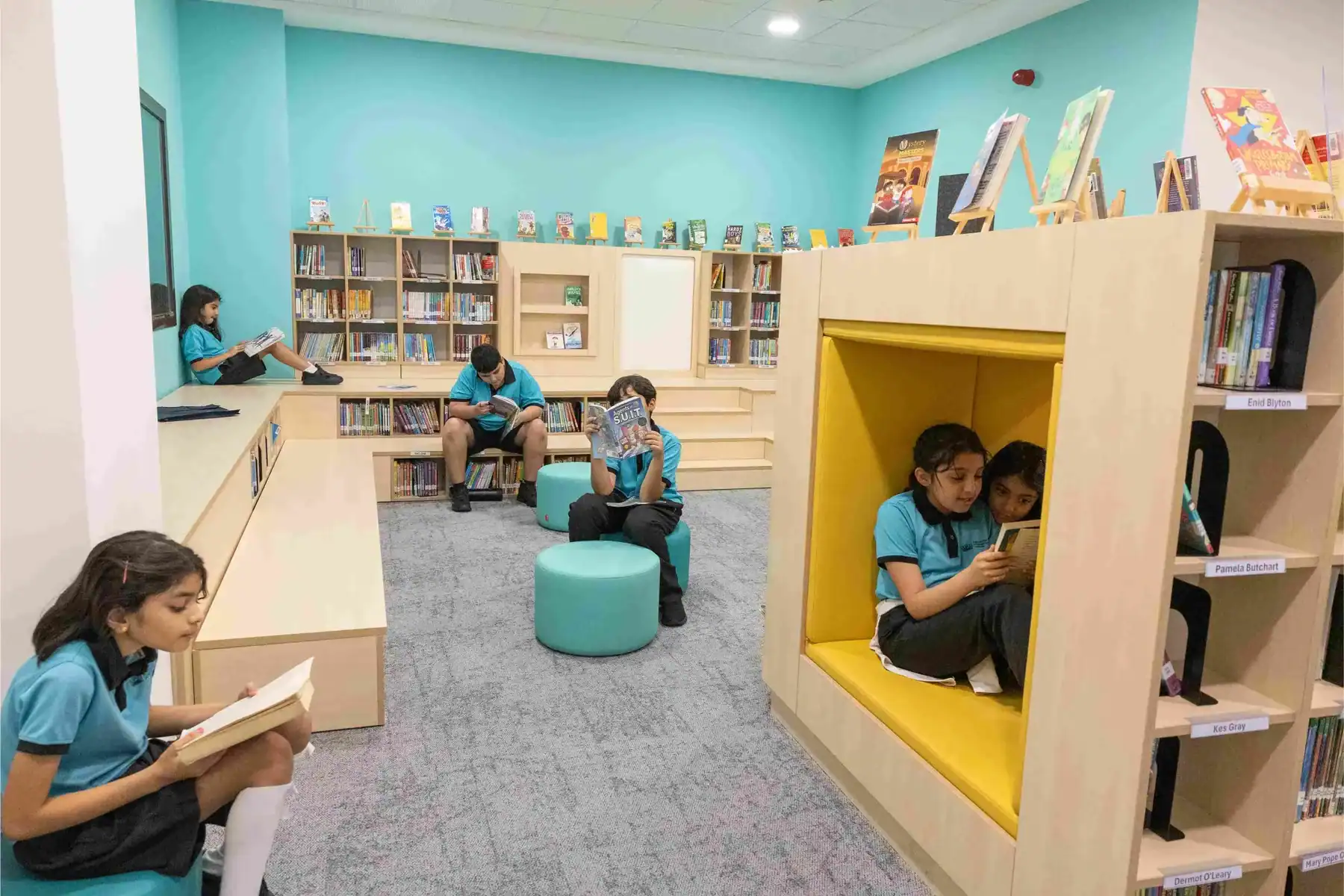
A comfortable, inviting corner, even a simple cushion by a shelf, helps make reading feel special. Small environmental cues can significantly influence motivation.
8. Reduce distractions during reading time
A calm atmosphere helps children focus. Turning off devices for a few minutes supports deeper engagement with the text.
9. Visit the library often
Libraries give children the joy of browsing and discovering new interests and the excitement of taking home something fresh to read. Many also host storytelling sessions and child‑friendly events.
10. Celebrate effort, not perfection
Praise curiosity, persistence and enjoyment rather than speed or accuracy. Positive reinforcement helps children build a healthy reading identity and encourages them to keep exploring books.
Why Reading at Home Matters
In an age of fast digital content, nurturing a genuine love of reading is more important than ever. Reading builds imagination, attention, empathy and resilience, skills that enrich learning across all areas of life. When reading becomes an enjoyable daily habit, children begin to see books not as a school task, but as a source of comfort, inspiration and discovery.
Whether it’s a bedtime story, a shared recipe, or ten quiet minutes with a favourite book, every moment helps lay the foundation for a lifelong reader.